


 Shkruar nga Pamfleti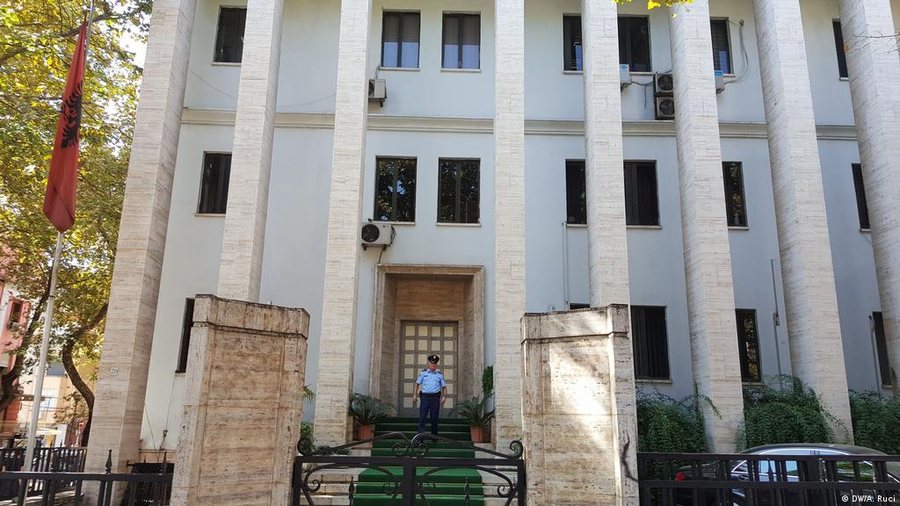
According to the Supreme Court, the verbal and unfounded attack has nothing to do with public debate or criticism of institutional activity.
The Supreme Court has condemned the insults directed at it regarding the election of candidate Asim Vokshi to the Constitutional Court.
Vokshi was declared the winner as the first ranked candidate in the KED score, leaving out candidate Naureda Llagami, who received 8 votes in favor and a ninth vote declared invalid, because it contained two marks.
According to the Supreme Court, the verbal and unfounded attack has nothing to do with public debate or criticism of institutional activity.
"It is incited with the aim of discrediting and intimidating the judiciary, with the consequent continuous decrease of citizens' trust in justice institutions. These are attacks that are not directed at just one institution, they aim to affect the foundations of the rule of law," the public reaction states.
Distancing itself from what it calls "muddling language," the Supreme Court claims that every action it took in selecting the member of the Constitutional Court for Holta Zaçaj's vacancy has been transparent, accountable, and in compliance with the law.
Full reaction:
In the face of offensive language and public disinformation, the response comes with law, facts, and dignity, supported by official and easily verifiable documents.
1. Legal basis and unchanged procedural standard
The procedure conducted on September 30, 2025 was based on Article 125 of the Constitution, Article 7/ç of Law No. 8577, dated 10.02.2000, as well as the Regulation of the Special Meeting of Judges of the Supreme Court for the Election of the Member of the Constitutional Court, approved on February 24, 2022.
This regulation has been applied identically in all previous procedures conducted for the election of constitutional judges, without any institutional contestation.
The regulation has directly included the legal norms that apply to the election of all officials of the governing bodies of the justice system (Law No. 115/2016 “On the Governing Bodies of the Justice System”, Articles 17, 45, 115 and 143) and that determine the rules of the validity of the vote, its secrecy and the obligation for full documentation of each collegial process.
In line with this regulation, decision no. 485, dated 21.09.2023, of the High Judicial Council, “On the approval of the rules for the election of the President of the High Court”, was adopted. This decision contains the same procedural rules as those applied by the High Court for the composition of the voting commission, the method of counting and ascertaining the invalidity of votes, as well as the cases when a ballot is invalid. Therefore, the rules applied by the High Court are identical to those approved by the High Judicial Council itself, under the direction of Ms. Llagami, when she was the president of that institution.
2. Kompetencat e Komisionit të Votimit dhe të Mbledhjes së Gjyqtarëve
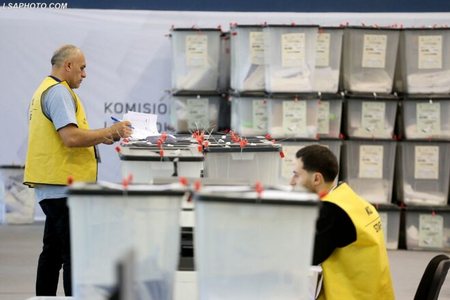
Sipas nenit 9 të Rregullores, Komisioni i Votimit përbëhet nga kancelari, kryesekretari dhe një sekretar gjyqësor. Ky komision administron të gjithë procesin e votimit, shpërndan fletët, kryen numërimin, konstaton pavlefshmëritë dhe përgatit procesverbalin, ku pasqyrohen votat e vlefshme, ato të pavlefshme dhe rezultatin përfundimtar. Procesverbali miratohet nga Mbledhja e Posaçme e gjyqtarëve me vendimin përfundimtar për zgjedhjen e gjyqtarit të Gjykatës Kushtetuese.
Të gjithë fazat, nga thirrja e mbledhjes dhe verifikimi i kuorumit, te ngritja e Komisionit të Votimit, zhvillimi i votimit të fshehtë, numërimi dhe vlerësimi i vlefshmërisë së fletëve, deri te shpallja e rezultatit të votimit, janë kryer në përputhje të plotë me rregulloren dhe janë dokumentuar në procesverbalin zyrtar të miratuar njëzëri, nëpërmjet vendimit nr. 2, datë 30.09.2025, nga 15 gjyqtarët e Gjykatës së Lartë. Ky akt përbën certifikimin institucional përfundimtar të ligjshmërisë dhe integritetit të procedurës së votimit.
Në zbatim të rregullores, procesi i numërimit dhe i konstatimit të (pa)vlefshmërisë së fletëve të votimit është kryer nga Komisioni i Votimit, si organ teknik dhe i pavarur. Gjatë gjithë procedurës është respektuar parimi i fshehtësisë dhe i paanshmërisë së votës, duke garantuar një vlerësim profesional dhe të pavarur, pa lejuar ndërhyrje apo ndikim nga askush. Në këtë proces, roli i gjyqtarëve kufizohet në ushtrimin e votës, ndërsa verifikimi fizik i fletëve dhe nxjerrja e rezultatit i përket vetëm Komisionit të Votimit, proces i cili kryhet në praninë e të gjithë anëtarëve të Gjykatës së Lartë që marrin pjesë në votim.
Në përfundim të kësaj faze, Mbledhja e Posaçme e Gjyqtarëve të Gjykatës së Lartë miratoi rezultatin përfundimtar përmes vendimit nr. 2, datë 30.09.2025, të nënshkruar nga të gjithë gjyqtarët dhe të bërë publik me rezultatin:
• Asim Vokshi - 6 vota,
• Naureda Llagami - 8 vota,
• Florian Ballhysa - 0 vota,
• dhe 1 fletë votimi e pavlefshme.
Në mungesë të shumicës së 3/5 të votave, në zbatim të nenit 7/ç të ligjit nr. 8577/2000, kandidati i renditur i pari nga Këshilli i Emërimeve në Drejtësi, z. Asim Vokshi, u shpall ipso lege anëtar i Gjykatës Kushtetuese, me vendimin unanim të Gjykatës së Lartë, i botuar në Fletoren Zyrtare nr. 177, datë 2.10.2025. Pas këtij vendimi vijohet me procedurën e betimit para Presidentit të Republikës.
3. Pavlefshmëria e votës për shkak të mungesës së fshehtësisë
Çdo proces votimi në organet e drejtësisë ka në themel parimin e fshehtësisë së votës, si një garanci e pavarësisë së vullnetit të gjyqtarëve dhe e integritetit të vendimmarrjes kolegjiale.
Ky parim nuk është një formalitet teknik, por një garanci substanciale që siguron që asnjë gjyqtar të mos ndjehet i ekspozuar, i identifikueshëm apo i ndikuar nga mënyra si voton.
Pra, fshehtësia është kusht për vlefshmërinë e votës, dhe jo thjesht rregull për formën e saj, përndryshe votimi do të ishte i hapur.
Në rastin konkret, në fletën e shpallur të pavlefshme janë bërë dy shenja të ndryshme: një kryq votimi dhe një rrethim i numrit në krah të kandidatit gjë që, pavarësisht se mund të japë përshtypjen e një “qartësie të vullnetit”, cenon hapur fshehtësinë e votës dhe hap mundësinë që ajo të identifikohet. Nëse lejohet që çdo votë “e qartë” të pranohet edhe kur nuk është “e fshehtë”, atëherë parimi i fshehtësisë humbet kuptimin dhe procesi bëhet i identifikueshëm.
Referenca ndaj Kodit Zgjedhor për procesin zgjedhor të këtij lloji është e pasaktë, pasi zgjedhja e anëtarit të Gjykatës Kushtetuese nga Gjykata e Lartë nuk është proces zgjedhor politik, por procedurë institucionale e brendshme, e rregulluar nga dispozita të posaçme ligjore. Këto norma kanë natyrë të veçantë dhe synojnë mbrojtjen e fshehtësisë së votës dhe jo ekspozimin e saj, si garanci themelore e një vendimmarrjeje të paanshme dhe profesionale. Në votimin politik, ku votues është populli, qëllimi është shprehja e lirë, e qartë dhe e drejtpërdrejtë e vullnetit qytetar, sipas rregullave të Kodit Zgjedhor. Ndërsa në votimin institucional, si në rastin e zgjedhjeve të brendshme të gjyqtarëve për organet e qeverisjes së drejtësisë, votues janë vetë gjyqtarët, dhe thelbi i procesit është garantimi i pavarësisë, fshehtësisë dhe integritetit profesional të votës.
Prandaj, rregullorja e Mbledhjes së Posaçme, ashtu si edhe dispozitat të veçanta ligjore (nenet 17, 45, 115 dhe 143 të ligjit nr. 115/2016), ndalon çdo shënim shtesë mbi fletën e votimit, duke e konsideruar atë pavlefshme. I njëjti standard është parashikuar edhe në vendimin e KLGJ nr. 485, datë 21.09.2023. Ky fakt dëshmon koherencën dhe vazhdimësinë e parimeve ligjore, të cilat janë zbatuar dhe zbatohen në mënyrë të njëjtë në të gjitha proceset e votimit institucional.
Në të dyja rastet, rregulli është i qartë: “çdo shenjë tjetër përveç asaj të votimit e bën fletën të pavlefshme”, dhe se vota është e pavlefshme kur “në fletën e votimit janë bërë shënime në favor ose në disfavor të kandidatëve”. Ky nuk është një rregull formal, por një garanci kundër çdo mundësie identifikimi të votës. Pranimi i një flete me dy shenja do të cenonte fshehtësinë e votimit dhe barazinë ndërmjet kandidatëve, prandaj pavlefshmëria e saj është detyrim ligjor dhe institucional, jo një çështje interpretimi. Pikërisht për këtë arsye, ky rregull gjendet i shkruar edhe në fund të çdo flete votimi.
4. Transparenca e procesit të votimit
The Supreme Court has acted with complete transparency and without any reservation throughout the process, immediately making available to Ms. Naureda Llagami, as the only subject who requested the relevant documentation, every document requested, including the minutes of the meeting, the audio recording and the accompanying documents. These documents are now publicly known, which proves that the Supreme Court had no intention of keeping them secret or limiting information, but on the contrary has fully respected the principle of transparency and the right to information.
If today the public opinion hears the audio recording of the meeting, this is thanks to the Supreme Court's own decision to grant full access to the interested party, not some "revelation" or "secret" leaked outside the institution, as stated by some media. This fact proves that the Supreme Court is open to any verification, confident in the legality of its actions and does not feel threatened by transparency, on the contrary, it considers it part of its mission to increase public trust in justice.
5. Institutional stance
The Supreme Court considers it essential that public debate be conducted on the basis of facts and official documents, not speculation or narratives built on misinformation.
It is not intimidated by the language of attacks and insults, nor by the deliberate distortion of facts, but will continue to exercise its constitutional function with responsibility and dignity.
In a state governed by the rule of law, courts do not react with emotion, but with legal acts and evidence. This case clearly shows that every fact is documented and proves the complete legality of the process that took place.
The Supreme Court reiterates that the process conducted on September 30, 2025 is legal, transparent and documented at every step. Every action was carried out in accordance with the Constitution, the law and regulations in force, without any hidden background or purpose. In this sense, the Supreme Court has nothing to explain outside the facts, and nothing to justify against the insults or insinuations circulating in the public.
The institution of the Supreme Court is not afraid of attacks, nor is it affected by them. The language of denigration and slander cannot replace the law, logic, and the responsibility that every judge bears.
We do not react with anger, but with dignity; we do not respond with words, but with facts and law; we do not seek approval, but understanding and respect for the mission we carry out.
The Supreme Court will continue to uphold its constitutional duty, protecting the independence of the judiciary, the integrity of judges, and public confidence in justice.
This is our way of responding to insults: with calm, courage, and dignity, as befits institutions that protect the rule of law.




Lini një Përgjigje