


 Shkruar nga Pamfleti
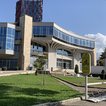
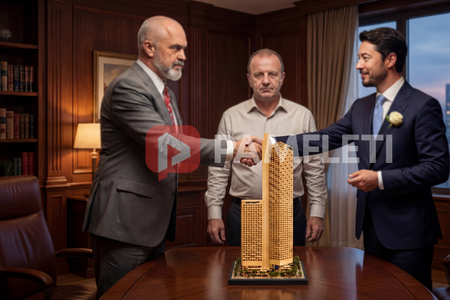
High-rise buildings in Albania are being scrutinized by international reports and several American officials recently stationed in Tirana to monitor permits, winning companies, and the flow of black money entering the country through the towers.
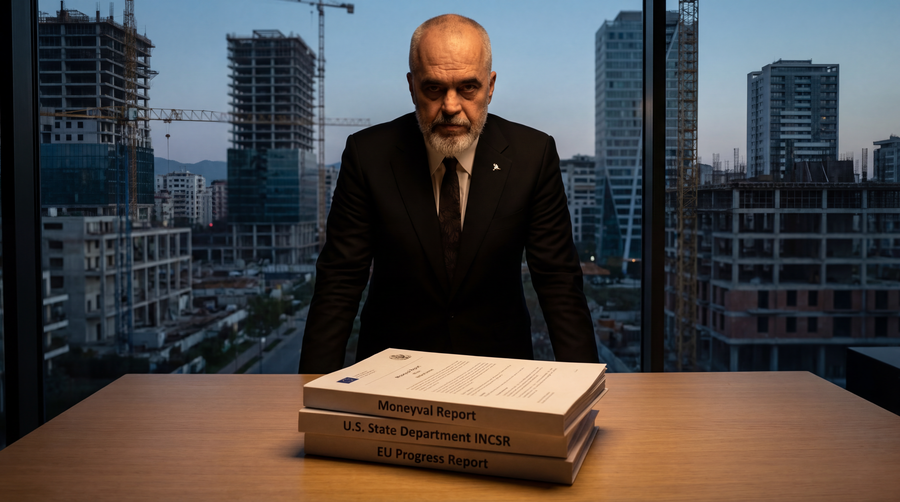
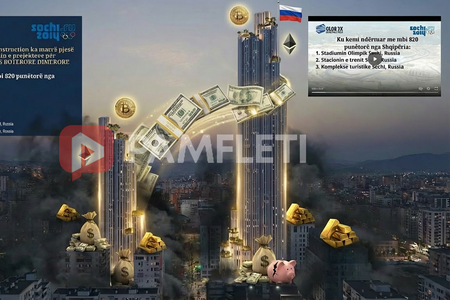
Albania today is no longer judged by the number of towers it raises, but by the source of the money it builds. The 2024 and 2025 reports from Moneyval, FATF, the US Department of State and the European Union no longer speak of “urban development”, but of a country where the construction sector has become an open corridor for laundering drug money and corruption, where companies that come out of nowhere receive multi-storey permits without any real proof that their capital comes from the legal economy and not from the economy of crime.
Moneyval’s latest assessment lists real estate as one of the most dangerous hotspots for money laundering in Albania. The report highlights that Albanian authorities have yet to show a convincing track record in prosecuting money laundering cases, while there is an aggressive increase in construction investments, rising apartment prices and a wave of companies without a business tradition that suddenly appear as “strategic investors.”
The US State Department in the INCSR 2025 report goes further and directly describes how Albanian organized crime and drug trafficking networks use new towers, resorts and complexes as the main means to transform their criminal profits into visible, but untouchable investments by the law. The report notes that companies without staff, without capital, without tax history and without honest turnover appear in official documents as developers of projects worth tens and hundreds of millions of euros, at a time when neither banks, nor stock exchanges, nor the real market can explain this leap from zero to dizzying figures. Precisely for this reason, in Tirana today we no longer have just a formal diplomatic mission, but we have a much stronger operational focus: American officials positioned in our country in recent months are analyzing in detail every construction permit, every company that enters the competition for towers and every suspicious flow of black money related to these projects, seeking concrete answers as to who the real owner is, who guarantees the capital and what is hidden behind the firms that until yesterday were unknown to anyone.
Bashkimi Europian në raportin e progresit për vitin 2024 nuk e relativizon aspak situatën. Komisioni Europian shkruan se Shqipëria duhet të forcojë dukshëm kontrollin mbi investimet në ndërtim, të verifikojë burimin e kapitalit dhe të ndalojë praktikën ku kompani pa kapacitete reale shfaqen si mbajtëse lejesh kolosale. BE e lidh drejtpërdrejt higjienën financiare të sektorit të ndërtimit me procesin e anëtarësimit dhe e sheh tolerimin e parasë së dyshimtë në beton si rrezik për integritetin e gjithë marrëdhënies financiare me Unionin. Në përkthim të thjeshtë, çdo kullë e ngritur me para të errëta nuk është vetëm problem i brendshëm, por është një sinjal negativ që shkon në Bruksel dhe dëmton kredibilitetin e vendit.
Pamfleti ka dokumentuar në mënyrë sistematike mekanizmin përmes të cilit ky fenomen materializohet. Rasti i kompanive të sapokrijuara, me kapital qesharak prej 100 mijë lekësh, me 1 ose 2 punonjës në QKB, pa asnjë aktivitet të mëparshëm në ndërtim, por që marrin leje për kulla 30 apo 40 kate në Tiranë dhe për resorte me dhjetëra milionë euro në bregdet, nuk është më përjashtim i rrallë, por është kthyer në model. Në shumë prej këtyre rasteve, hetimi i pronësisë reale të firmave çon tek persona me histori problematike, me lidhje me trafik ndërkombëtar droge, me procedime penale, ose tek persona që nuk justifikojnë askund pasurinë që pretendojnë se po investojnë. Në të njëjtën kohë, bilancet zyrtare të këtyre shoqërive shpesh tregojnë të ardhura minimale, fitime të papërfillshme dhe mungesë totale kredish bankare, gjë që do të thotë se financimi nuk vjen nga sistemi financiar i gjurmueshëm, por nga jashtë tij.

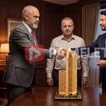

This contrast, between the empty balance sheets and the colorful models of the towers, is the reason why Albania is increasingly appearing in separate paragraphs in the reports of international organizations. For financial institutions and economic intelligence agencies, a market where apartment prices increase without any connection to salaries, where thousands of apartments remain empty, where construction permits multiply and where the real beneficiaries hide behind chains of shell companies, is not a normal market, but a market contaminated by money laundering. Consequently, serious investors, international banks and strategic partners read Albania not as a developing success story, but as a fragile economy, kept afloat by money that not even the state dares to ask where it comes from.
The consequences for citizens are direct. Housing prices have risen to levels unaffordable for most families. The rental market has been overturned by the artificial demand for apartments bought as a cleaning tool, while young people working on normal wages cannot even save for a down payment. The local economy does not benefit proportionally, because many of these projects do not generate a production chain, but simply fix dubious capital in concrete and glass. This creates a place where luxury towers are seen, but where jobs with honest wages are scarce, where the cost of living increases, while legal security decreases.
In this context, the message coming from international partners is clear. Albania cannot seek EU membership, demand trust from markets, and silently accept that organized crime dictates the architecture of cities.
American officials stationed in our country in recent months are reading every permit, every company, every suspicious flow of black money as evidence of a system that will either be cleaned up with real reforms and real investigations, or will be treated as a security problem beyond our borders. And when partners turn on the red light, the rhetoric of the battle against corruption is no longer enough. We need full transparency, asset seizures, a real crackdown on shell companies, and the closing of the tap of criminal money that is being concreted before everyone's eyes. /Pamphlet


Mener so ty e rrujt asnji per at mut veni se dhe qent kan emigru aty, veten vrafshit se nuk i plas njeriu, ven qe shpall armik lekun vetem budallejt e albanadollit jan
Cmimet jane shume shume te larta se keshtu mund te raportohet per me shume para te pastruara per cdo meter 2. Keto kulla jane dhe do mbeten bosh por poseduesit e tyre me vleren e rreme te kullave paguajne haracin e pastrimit te parave.I fituar pa asnje shpenzim eshte korupsioni. Investuesit e kullave paguajne kooston e kulles, mundin e tyre dhe shume here me jeten e tyre. Ekonomia shqiptare vetem fundoset me investimin e ketyre kullave.