


 Shkruar nga Pamfleti
2024 may be even hotter than the year 2023 that surprised us in terms of temperatures and besides this fact, during the year we left behind, we have witnessed extreme and often fatal climate events all over the world.
When will the global average annual temperature rise by more than 1.5°C above pre-industrial levels for the first time? There have been individual days when the average global temperature has exceeded that threshold, but so far, no single year has averaged this hot overall.
That could change in 2024, when the century-long steady rise in temperatures, driven by greenhouse gas emissions, syncs up with a natural cyclical warming pattern for the first time in nearly a decade.
2024 may be even hotter than the year 2023 that surprised us in terms of temperatures and besides this fact, during the year we left behind, we have witnessed extreme and often fatal climate events all over the world.
"If things follow the normal pattern, 2024 should be slightly warmer than 2023. But the 'normal pattern' may no longer exist," said Andrew Dessler, a climate scientist at Texas A&M University, reports The Economist.
"However, it will undoubtedly be one of the hottest years on world record."
The combination of human-caused global warming from the burning of fossil fuels for energy, along with deforestation, plus other factors such as a likely natural El Niño, have raised the record heat of 2023, alarming many in the scientific community.
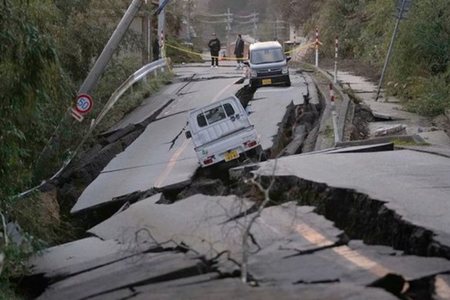
Disasters from fatal floods in Libya and Greece to unprecedented average global temperatures, along with record ocean heat, are events that have directly impacted climate change.
This has led to a debate among some climate scientists over the rate of global warming, which began to accelerate in the 1970s.
This would suggest that 2024 has a good chance of being hotter than 2023, as the El Niño phenomenon continues to be more influential throughout the first part of 2024. El Niño is a natural event that occurs in the Pacific Ocean. It involves warming surface ocean water temperatures in the central Pacific.
This increase in temperature affects global weather patterns and causes changes in the world's climate. El Niño is often associated with heavy rainfall and other extreme weather events in some countries.
What about in Albania? Dr. Ani Bajrami, a biologist, explains to Monitor that it is difficult to give an accurate prognosis considering that the climate is a complex system and many factors affect the annual climate conditions. However, according to her, global climate changes have been associated with an increase in the average temperatures of the planet.
In some cases, these changes may bring hotter periods in many countries, including Albania. One of the factors that can affect the climate of an area is the phenomenon of El Niño or La Niña, she concludes./Monitor







Lini një Përgjigje