


 Shkruar nga Matthew Levitt
Why a desperate regime might target soft targets
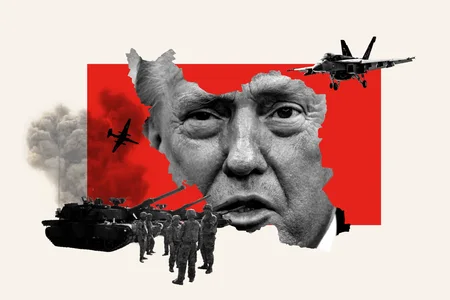
At the start of Operation Epic Fury, US authorities went on high alert nationwide for acts of terrorism by Iran and its proxies, and for good reason. Days after US and Israeli strikes killed Iran’s Supreme Leader, Ali Khamenei, the Islamic Revolutionary Guard Corps’ Quds Force broadcast a warning on Iranian television: “The enemy should know that his happy days are over and he will no longer be safe anywhere in the world, not even in his own homes.”
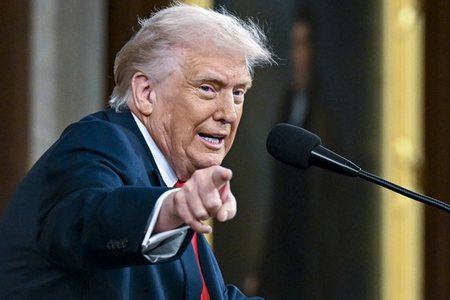
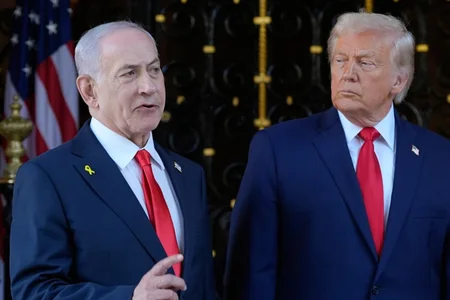
Since that threat, operatives acting on behalf of Iran have been linked to plots in Azerbaijan, Kuwait, Qatar, the United Arab Emirates and the United Kingdom. According to US President Donald Trump, Iran may be trying to activate sleeper cells in the United States. “We know a lot of things that have happened that have been very bad,” he declared, adding that Washington “is keeping the situation under control.”
Iran has long used terrorism as a tool of foreign policy, not only to export the revolution abroad by supporting proxies in the Middle East, but also to spread fear among perceived enemies of the regime, including Iranian dissidents, Israelis and Jews, as well as diplomats from Europe, the Gulf states and the United States. However, Tehran has usually been careful about how, when and where it uses terrorism to achieve these goals. It has favored operations for which it can claim credible deniability, hoping to avoid retaliation in the form of sanctions, diplomatic isolation or retaliatory attacks. Iranian planners exercised strategic patience and did not act on every opportunity that presented itself.
Today, however, the regime feels its revolutionary project existentially threatened by the United States and Israel. The assassination of Khamenei and other top officials, along with open discussions in Washington and Jerusalem about regime change, have convinced Tehran that it must go to any extent possible to stop the war—including bringing it to American soil.
With its leadership severely damaged and its security apparatus humiliated by deep Israeli and American intelligence penetration, Iran sees little reason not to approve a wide range of attacks, from small plots to mass casualty events, without much consideration for the potential consequences. It likely calculates that the American public and politicians have no patience for civilian casualties and that, if it succeeds in carrying out a mass casualty attack, the political cost of continuing the war will become unaffordable for the Trump administration.
As the bombing continues, the regime could use increasingly desperate acts of terrorism to show Washington that, while hit, it is not defeated. With nothing to lose, it could go to unprecedented lengths to carry out attacks, especially on soft targets, while planning more sophisticated attacks on harder targets. Iran has rarely succeeded in targeting the United States domestically or internationally. But the long history of foiled and foiled plots should not lull Washington into a false sense of security. After all, counterterrorism authorities must succeed every time; bad actors only need to succeed once.
A history of violence
The Qods Force’s message may indicate a relative consensus in Tehran today about the usefulness of terrorism as a geopolitical tactic, but there was once a fierce debate within the regime about when and how to use it. In the mid-1980s, the CIA assessed that the revolutionary leadership was divided between “Islamic radicals,” who advocated the use of terrorism as a legitimate tool of state policy to export and defend the principles of the revolution, and “pragmatists,” who accepted its selective use as an effective instrument for advancing national interests while seeking better economic ties with other countries.
Over time, the radicals won. The Islamic Revolutionary Guard Corps began to play an increasingly important role in policymaking, as former officers rose to high positions. As a result, terrorism became a favored tool in Tehran, although for years Iran avoided planning attacks on the United States for fear of reprisals. That changed in 2011, when Iran became embroiled in a covert war with the West over US-Israeli efforts to sabotage Tehran’s nuclear program.
In October 2011, U.S. authorities uncovered and thwarted an Iranian plot to assassinate the Saudi ambassador to Washington. Following the incident, the U.S. intelligence community concluded that “some Iranian officials—possibly including Supreme Leader Ali Khamenei—have changed their calculations and are more willing to carry out an attack on the United States in response to real or perceived U.S. actions that threaten the regime.”
Në atë kohë, zyrtarët iranianë arritën në përfundimin se kërcënimi ndaj programit të tyre bërthamor, i dukshëm në operacione kibernetike, sabotime dhe atentate, justifikonte krijimin e Njësisë 400 të Forcës Qods, e dedikuar për sulme ndaj vendeve që përpiqeshin të minonin këtë program, përfshirë Shtetet e Bashkuara.
Më pas erdhi vrasja në janar 2020 e komandantit të Forcës Qods, Qasem Soleimani, nga një sulm ajror amerikan në Irak. Zyrtarët iranianë premtuan hakmarrje dhe planifikuan disa sulme ndaj zyrtarëve amerikanë aktualë ose të mëparshëm. Departamenti i Sigurisë Kombëtare raportoi në qershor 2025 se forcat e rendit kishin ndërprerë disa komplote potencialisht vdekjeprurëse të mbështetura nga Irani.
Shumë prej këtyre komploteve ishin rezultat i investimit afatgjatë të Iranit për të krijuar një “opsion të brendshëm” në SHBA, ku operativë iranianë, kriminelë të rekrutuar dhe grupe aleate mund të aktivizoheshin për të shkaktuar kaos. Në vitin 2016, një operativ i Hezbollahut në Nju Jork u vetëpërshkrua si “agjent i fjetur” që kryente survejim paraprak. Në të njëjtën periudhë, një tjetër operativ u kap duke grumbulluar materiale për eksploziv në zonën e Hjustonit.
Së fundmi, një juri në Bruklin dënoi një shtetas pakistanez dhe operativ të trajnuar nga Garda Revolucionare për terrorizëm dhe vrasje me pagesë në një komplot që synonte zyrtarë amerikanë, përfshirë Trump, në vitin 2024.
Irani ka tentuar gjithashtu të përdorë rrjete kriminale pa lidhje të mëparshme me të për të ruajtur mohueshmërinë. Në një rast, Garda Revolucionare rekrutoi elementë të mafies ruse për një plan të pasuksesshëm vrasjeje kundër aktivistes Masih Alinejad. Në raste të tjera, operativët iranianë kanë përdorur Telegram për të rekrutuar kriminelë evropianë për survejim dhe akte dhune.
Republika islamike kundërpërgjigjet
Në vlerësimin e kërcënimeve për vitin 2025, Zyra e Drejtorit të Inteligjencës Kombëtare parashikoi se Irani “do të vazhdojë të kërcënojë drejtpërdrejt persona amerikanë globalisht” dhe mbetet i përkushtuar në ndërtimin e rrjeteve brenda SHBA-së.
Që atëherë, konflikti është përshkallëzuar. Sipas raportimeve, Irani ka kërcënuar se do të aktivizojë qeliza të fjetura në SHBA nëse sulmohet. Edhe pse kjo nuk është materializuar plotësisht, autoritetet evropiane kanë zbuluar komplote kundër ambasadave dhe institucioneve hebraike.
Zyrtarë izraelitë vlerësojnë se Irani ka ndryshuar doktrinën e tij, duke hequr kufizimet operacionale dhe duke i udhëzuar agjentët të veprojnë kudo që munden. Ata theksojnë se regjimi “nuk ka çfarë të humbasë” dhe po rekruton gjerësisht, përfshirë kriminelë, mercenarë dhe militantë shiitë, si dhe mund të nxisë aktorë të vetmuar.
Ngjarjet e fundit duket se e konfirmojnë këtë. Autoritetet në disa vende kanë penguar komplote që synonin diplomatë izraelitë, infrastrukturë kritike dhe komunitete hebraike.
Parandalimi përmes hakmarrjes
The fact that none of these plots have succeeded so far is a credit to counterterrorism authorities, but also an indication of the limitations of Iranian operatives. However, the risk remains high.
According to the author, the more Iranian leaders see the revolution in danger, the more likely they are to resort to terrorism. The Revolutionary Guards may seek revenge and use it as a tool for political pressure.
A successful attack on the US could sway public opinion and force a change of course. But it could also have the opposite effect, increasing support for the war.
American officials should take seriously the danger posed by a desperate Iran, because that very condition makes it more dangerous and unpredictable. /Adapted from ForeignAffairs /


Zotëri i artikullit!Nuk është poshtëruar Irani,por ShBA dhe Izraeli që kujtuan se mund të mposhtin rezistencën E 90 milion Irak enëve që guxuan të mbrohen nga agresorët imperialistë amerikanë dhe nga sionistët Izraelitë të kryesuar nga krimineli i shpallur në kërkim ndërkombëtar nga Gjykata Ndërkombëtare e Hagës, Benjamin Netanyahu ????.