


 Shkruar nga Michiel Hilgeman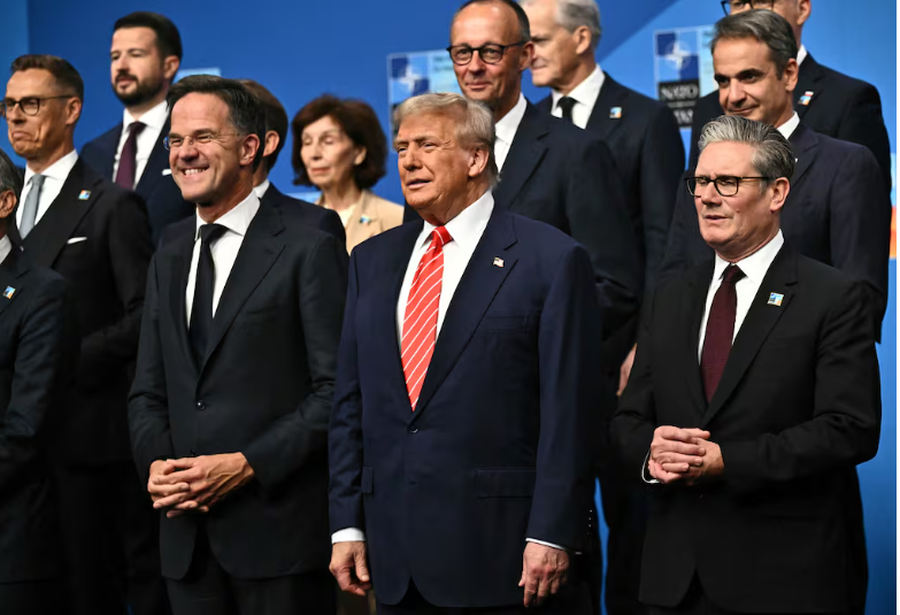
Can Europe overcome the challenge of supporting Ukraine and secure its future? The first step to backing the promise with real results will be to recognize the threat…
The Hague Summit Declaration sounds promising: NATO allies commit to increasing defense spending to 5% of GDP and continue to support Ukraine.
However, action is essential to deliver on these promises for both NATO's security and Ukraine's defense.
US President Donald Trump was the main driver in increasing NATO allies' defence spending to 5% of GDP. His demand for equal contributions from allies pushed European countries more than the threat from Russia or Europe's military dependence on the US.
The increase to 5%, of which 3.5% allocated to military spending and 1.5% to supporting defense investments, such as infrastructure, should be achieved by 2035.
However, history reveals NATO's difficulties in meeting commitments. At the 2014 Wales Summit, allies pledged to increase defense spending to 2% of GDP within a decade.
However, by 2024, not all members had achieved this target.
Europe must strengthen its defense capabilities to act independently, thereby strengthening its geopolitical influence and countering Russian cyber and conventional threats.
Countries bordering Russia, such as Poland, Finland, and the Baltic states, allocate significant portions of their budgets to defense due to the immediate Russian threat. However, countries further from Russia, such as Belgium and Spain, feel less urgency to invest in defense, even though increasing their budgets is essential for strengthening Europe's collective security.
The Hague Summit Declaration reaffirms the commitment of NATO Allies to support Ukraine's defense. European nations have surpassed the US in total assistance to Ukraine, although the US leads in military assistance.
Production challenges continue: in 2023, Europe promised one million artillery shells to Ukraine within 12 months, but failed to do so.
Joint production agreements between Ukraine and European countries are positive developments.
A recent agreement between the Dutch government and Ukrainian companies to produce 600,000 drones for Ukraine illustrates this, increasing Europe's contribution to Kiev's defense.
Time is critical for Ukraine's war against Russia. Europe must act quickly to increase support and develop its own military production capacity, reducing dependence on the US and preparing for possible reductions in American aid.
NATO Allies face numerous challenges in fulfilling their commitments.
Political instability is disrupting national governments, with many coalitions collapsing.
An impending international trade war could hinder efforts to reach the 5% of GDP defense spending target.
EU bureaucratic delays further hinder rapid action and increased military production. Moreover, some leaders and voters prioritize short-term domestic concerns over long-term freedom and security.
For Ukraine, every moment is vital, while Europe must pursue strategic independence to strengthen its collective defense and its relations with the US. / Adapted from the Kyiv Post Pamphlet/



Lini një Përgjigje