


 Shkruar nga Pamfleti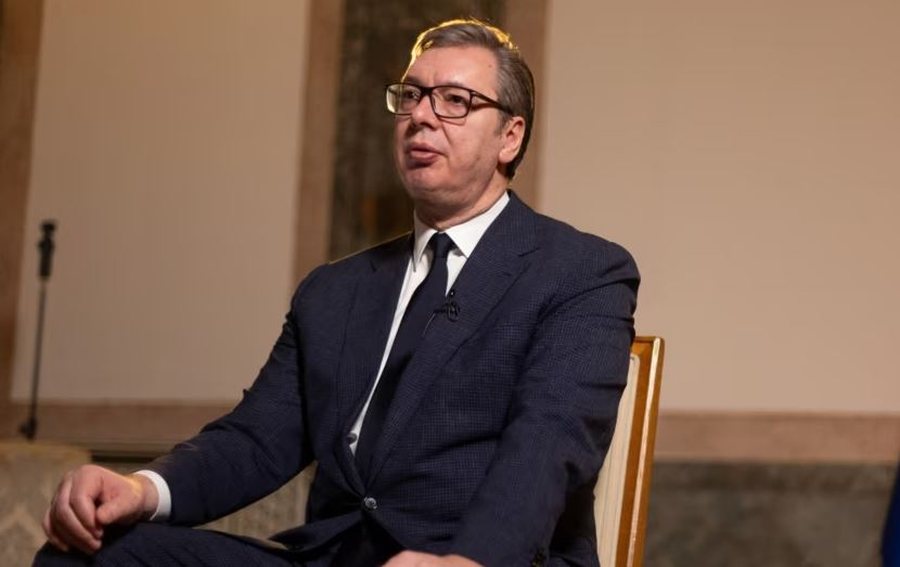
The decision of Serbian President Aleksandar Vučić to sign amendments to the laws on the judiciary caused strong reactions in the European Union and brought Serbia's European future back to the center of the debate.
While authorities in Belgrade insist they are committed to integration, analysts warn that concrete actions show an opposite trend: strengthening political control over institutions and weakening democratic standards.
Serbia has been a candidate country for EU membership since 2012 and has opened several negotiation chapters.
What did Vučić sign?
Serbian President Aleksandar Vučić signed on January 30 decrees promulgating the package of laws on the judiciary, which the European Commission described as "a serious step back in the country's European integration process."
With this action, the laws approved by the governing majority in the Assembly on January 28th officially entered into force.
Government MPs defended the changes, arguing that they will increase efficiency and improve the functioning of the judicial system.
However, the laws were adopted without public debate and without consultation with prosecutors, judges, the Venice Commission, and the European Union.
They were met with harsh criticism from the legal community, which warned that through them, the government would attempt to increase control over the judiciary.
The European Commission assessed that these laws “undermine the independence of the judiciary, as well as the autonomy and functioning of the prosecution”, and called on Belgrade to review and harmonize them with European standards “as soon as possible”.
Dragana Gjurica, secretary general of the European Movement in Serbia, tells Radio Free Europe's Ura program that Serbian authorities expected the EU's negative reaction, but calculated that it would not have real consequences.
According to her, the experience of recent years has created the belief that the EU reacts mainly with declarations, but rarely takes concrete punitive measures against Serbia, due to its strategic importance in the region.
"This is why Vučić's signing of the legal amendments does not seem to me to be a miscalculation, but rather a conscious risk, with the expectation that the noise will calm down, as has happened many times before. However, I do not believe that the government will escape without consequences now," says Djurica.
Weakening justice as a political priority
Srdjan Cvijic, chairman of the International Advisory Board of the Belgrade Center for Security Policy, goes further in his analysis.
He argues that the main motivation for these changes is not European integration, but the political survival of the regime.
Sipas tij, dobësimi i Prokurorisë për Krim të Organizuar mund të jetë një objektiv kyç për autoritetet, pasi hetimet ekzistuese mund të prekin edhe figura të afërta me pushtetin.
Ai shton se kjo është pjesë e një strategjie afatgjate: fillimisht miratohen ligje që dobësojnë institucionet e pavarura dhe më pas, nëse presioni ndërkombëtar bëhet shumë i fortë, ofrohen korrigjime të kufizuara, ndërsa kontrolli real mbetet i paprekur.
“Për Vuçiqin, rruga evropiane është e rëndësishme vetëm për të fituar legjitimitet ndërkombëtar dhe që Bashkimi Evropian të mbetet bankomati i tij. Kur bëhet fjalë për një zgjedhje midis qëndrimit në pushtet dhe standardeve evropiane, ai gjithmonë do të zgjedhë pushtetin”, thotë Cvijiq për Radion Evropa e Lirë.
Në të njëjtën ditë kur u miratuan ligjet e diskutueshme, Qeveria serbe krijoi edhe një ekip operativ për integrimin evropian.
Për Cvijiqin, kjo nuk është rastësi, por një taktikë e qëllimshme për të ruajtur imazhin e përkushtimit ndaj integrimit evropian.
“Kjo është praktika standarde e Vuçiqit. Me njërën dorë, ai shkatërron institucionet, dhe me tjetrën krijon një lloj fasade administrative”, thotë ai.
“Kjo është sikur t’i vësh flakën një shtëpie, pastaj të formosh një ekip operativ për mbrojtjen nga zjarri dhe të presësh lëvdata. Por, unë nuk mendoj se dikush në Bruksel është më naiv”, shton Cvijiq.
A ka ende ndikim BE-ja?
Një nga pyetjet kryesore është nëse BE-ja është e gatshme t’i përdorë instrumentet e saj për të ndikuar në kursin politik të Serbisë.
Sipas ekspertëve, BE-ja ka në dispozicion mjete të rëndësishme, përfshirë pezullimin e fondeve dhe ngadalësimin ose ndërprerjen e negociatave për anëtarësim.
“Nuk e di nëse Brukseli do të ketë sukses ta detyrojë pushtetin që t’i tërheqë ligjet kontroverse, por besoj se mund ta kërcënojë me ndërprerjen e mbështetjes financiare”, thotë Gjurica.
“… sepse, kandidatët për anëtarësim në BE nuk marrin më para nga fondet evropiane si avanc, siç ka ndodhur më parë, por bazuar në performancë”, sipas saj.
Megjithatë, Cvijiq kujton se BE-ja ka zgjedhur shpesh të tolerojë probleme të tilla për arsye gjeopolitike, veçanërisht për të parandaluar afrimin e Serbisë me Rusinë.
Ai pretendon se ndikimi rus në Serbi nuk është vetëm simbolik, por edhe operativ.
“Ndoshta Bashkimi Evropian do t’i mbyllte sytë ndaj Vuçiqit, nëse ai do t’i vendoste sanksione Rusisë [për shkak të pushtimit të Ukrainës], por ai nuk do ta bëjë këtë për dy arsye kryesore”, thotë Cvijiq.
E para, shpjegon ai, është matematika zgjedhore – votuesit e tij kryesorë janë jashtëzakonisht prorusë dhe ai “nuk do ta bëjë këtë në një vit zgjedhor”.
Arsyeja e dytë është shumë më e thellë, sipas tij, sepse gjatë protestave antiqeveritare gjatë vitit të kaluar, regjimi lejoi një prani të madhe të shërbimeve ruse të sigurisë në terren dhe në hapësirën kibernetike.
Gjurica pajtohet se BE-ja ka toleruar për vite me radhë devijimet demokratike në Serbi, pjesërisht nga frika se Beogradi mund të afrohet më shumë me Rusinë.
But she emphasizes that, even if Serbia were to decide to fully align with EU foreign policy, including imposing sanctions on Russia, this would not compensate for shortcomings in the rule of law.
According to her, there can be no "exchange" between these two issues, as they represent two separate pillars of the credibility of a candidate country for EU membership.
"Sanctions against Russia would bring Serbia some political relief, but the judiciary problem would remain the main test. The EU has made it clear that the rule of law is the main test for candidate countries," says Djurica.
Does the judiciary have the strength to resist the implementation of the law?
“Very difficult,” says Cvijic.
"The regime is practically declaring war on the remaining independent pockets in the judiciary, combining legal changes, disciplinary procedures, the transfer of unsuitable people, and the appointment of loyal prosecutors and judges," he said.
For Cvijic, this is constant political and financial pressure.
"Without strong social support and clear international protection, the judiciary will be constantly exposed to fragmentation, intimidation and pressure. If it remains isolated, it will collapse," says Cvijic.
He expresses his belief that Vučić does not want Serbia to join the European Union because "he wants to remain in power."
According to him, true rule of law would open the issue of political and institutional responsibility not only for certain individuals, but for the entire system built over recent years.
He argues that the current mode of governance relies on strong political control over institutions, which is not in line with European standards, which require the independent functioning of justice and other institutions.
"Such a model is not suitable for the EU. Even those in the EU who support it for pragmatic reasons know that the bloc does not want new problems, like Hungarian Prime Minister Viktor Orban," says Cvijic.
Gjurica, on the other hand, says that authoritarianism and European integration can only coexist for a certain time.
"This is not sustainable and will not be tolerated not only by the EU, but also by the citizens of Serbia. The citizens of Serbia and the EU demand the same things: accountability, justice and a functional state," she says.
Is Vučić taking Serbia off the path to the EU?
Experts are clear: the new laws on the judiciary, which have prompted harsh reactions from Brussels, have significantly increased the barriers to Serbia's European integration.
"Vučić has long closed the door to the EU for those who want to see this," says Cvijić.
Djurica shares a similar assessment.
"Even if the door is not completely closed, it has, undoubtedly, come closer," concludes Djurica, secretary general of the European Movement in Serbia./REL


Lini një Përgjigje