


 Shkruar nga Pamfleti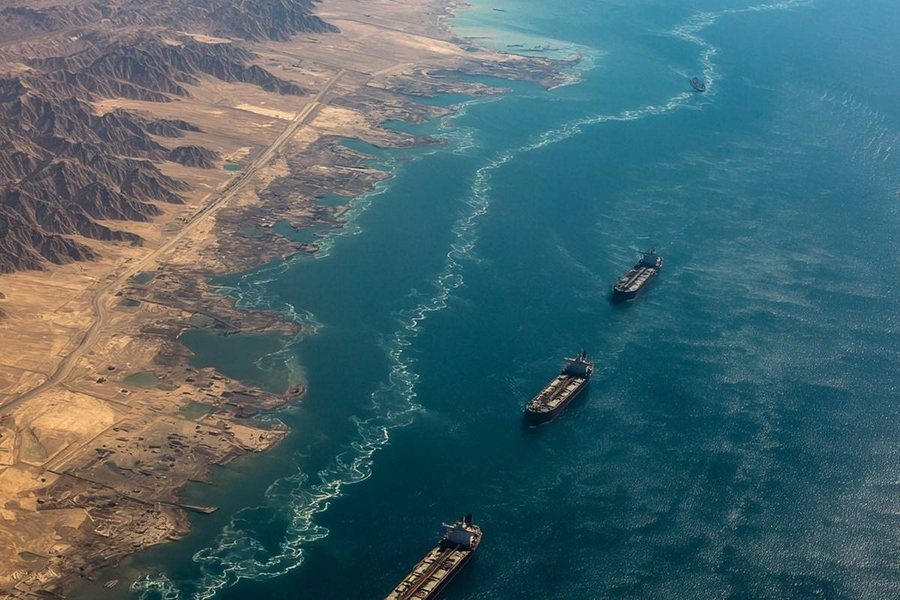
The Hormuz crisis cut off Trump's escape route from responsibility...
The crisis in American strategy in Iran seems to demonstrate, above all, a rule of international politics that Donald Trump apparently did not suspect existed. Namely, insulting, threatening, blackmailing and waging a trade war against the rest of the world, starting with your closest allies, will not inspire them to rush to your aid the moment you find yourself in trouble, especially if that problem consists of a war that you have started, for no reason and without bothering to inform them in advance.
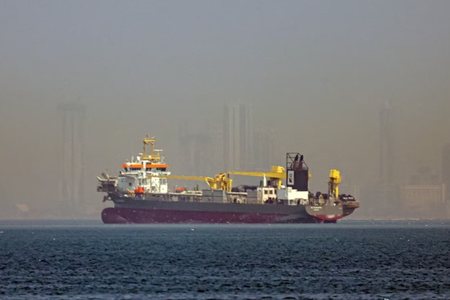
The gravity and absurdity of the situation are aptly summed up by Gideon Rachman in the Financial Times: “ The conflict with Iran, which began with vague military objectives, now has a clear and overriding goal: the reopening of the Strait of Hormuz. Ironically, and annoyingly, the only reason the Strait is closed in the first place is that the United States and Israel went to war. ”
Rachman points out that Iran now knows and has demonstrated that it has the power to choke the global economy and is likely to use this power in the future, regardless of the outcome of the war. Indeed, paradoxically, if the regime survives the war, it may emerge even stronger than before.
The most immediate consequence that strikes me, however, is another: it is now as if Trump has lost espionage, which means the ability to announce at any time and at his discretion that he has achieved his goals, to declare the mission accomplished, to take everything back and close the matter. Or even better, or worse, it is as if he has handed espionage over to the Iranians, because it will now be up to them, with their decision to reopen the Strait of Hormuz, to determine if and when the war is truly over. Unless, of course, the United States and Israel prove capable of completely neutralizing both the regime and its numerous militias scattered throughout the region.
But for now, things don't seem to be going in that direction, as shown by the attempt to shift the burden of escorting ships through the Strait onto NATO allies. The situation seems to fit perfectly with Francis Fukuyama's brilliant summary: " The world has become a very dangerous place because the most powerful country is under the control of a ten-year-old boy; that boy discovered a flamethrower in his parents' backyard and is now having fun using it to burn things. "
This is demonstrated most recently by Trump's words about Cuba, where he seems to be threatening another regime change, or more likely a new Venezuela-style operation, given the grim results of the Middle Eastern response./ Adapted from "Pamphlet" by "Linkiesta"


Lini një Përgjigje