


 Shkruar nga Pamfleti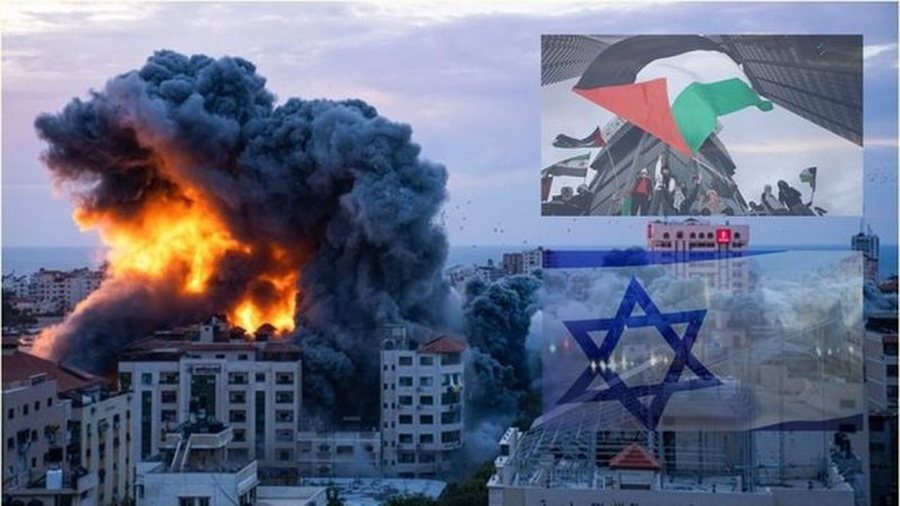
As they left a tense meeting, the Israeli prime minister grabbed the hand of the White House Middle East official, watching him.
"We need this deal," he told Brett McGurk, as talks with Hamas stalled.
A week later, Benjamin Netanyahu got what he wanted. Politico cites the above scenes in its extensive article discussing the diplomatic marathon that led to the deal between Israel and Hamas.
On Tuesday night, the two sides announced that they had shaken hands on the long-awaited agreement.
"In a truce of several days, four or five, Hamas will release 50 women and children who were kidnapped on October 7 and Israel will release 150 Palestinian prisoners, women and teenagers.
The development was the result of a diplomatic struggle that began shortly after the worst and now deadliest attacks on Israeli soil, on October 7, and bore its first fruits after six weeks of bitter hostilities in the Gaza Strip.
Two senior members of the US administration spoke to Politico on condition of anonymity about the complex, arduous and "torturous" negotiations and how they were conducted.
Qatar's role
Qatar, a close ally of Washington that has influence over Hamas, gave the White House shortly after October 7 information about the hostages, Israeli and foreign nationals who had just been kidnapped and the proposal to form a "core," a group small work, which would deal with the issue of hostages.
White House National Security Adviser Jake Sullivan turned to his two top aides, McGurk and Josh Geltzer, who would handle the communications necessary to achieve the goal.
The situation became clear on October 13, during a Zoom video call between the US president and the families of missing Americans and hostages. Their meeting lasted longer than planned, as Biden carefully listened to everyone talk about their people and express their fears.
"It was one of the most heartbreaking things I've ever experienced," said one of the officials who spoke to Politico.
The hostages then became a central topic of Biden's numerous phone and personal contacts with Netanyahu, with the US president also pressuring Israel to provide humanitarian aid to those in need and ensure the safety of civilians. is a priority of the Israeli army.
These first contacts gave the first optimistic result on October 23, with the release by Hamas of two American women, Natalie and Judith Raanan, mother and daughter.
This development was tangible proof that the "core" that had been created was functional and could produce even greater results.
A day later, Hamas sent a message to the group through its channels.
“Një numër grash dhe fëmijësh mund të largohen nga Gaza”, me kushtin, të konsideruar si “kurth” nga shumë njerëz, që të sigurohet transporti i tyre i sigurt nga Gaza, vetëm nëse Izraeli nuk do të kryente operacionin e tij (atëherë të paralajmëruar dhe të planifikuar) tokësor.
“Zyrtarët amerikanë së bashku me izraelitët vunë në pikëpyetje faktin nëse ofensiva tokësore duhet të vonohet për t’i dhënë një shans marrëveshjes,” tha një nga zyrtarët e dytë amerikanë.
Izraelitët arritën në përfundimin se kushtet nuk ishin mjaftueshëm të sigurta për të vonuar pushtimin tokësor. Nuk kishte ende asnjë tregues nga Hamasi nëse pengjet ishin gjallë,” shtoi ai.
Ushtria izraelite pushtoi Gazën në fund të tetorit. Por, siç vëren zyrtari amerikan, ” plani i pushtimit u përshtat në mënyrë që të ekzekutohej gradualisht dhe të mund të mbështeste një armëpushim në rast të arritjes së një marrëveshjeje “.
Proceset diplomatike vazhduan në prapaskenë me ritme të furishme, ndërkohë që konturet e një marrëveshjeje po merrnin formë.
Hamasi dha informacione për 50 robër të tij, duke i thënë Biden se lirimi i tyre mund të arrihej.
Më 14 nëntor, Biden zhvilloi një bisedë telefonike me udhëheqësin izraelit, i cili ra dakord.
Pak më vonë atë ditë, Netanyahu, duke i shtrënguar dorën McGurk, i shpjegoi atij se sa e rëndësishme është arritja e marrëveshjes për Izraelin por edhe për veten e tij, siç thonë analistët, pasi qytetarët, edhe pse mbështesin luftën kundër Hamasit, janë ende duke sulmuar Netanyahun për dështimin në mbrojtjen e civilëve duke nënvlerësuar kërcënimin e Hamasit.
Marrëveshja nuk ishte çështje morale. Ishte domosdoshmëri politike.
Megjithatë, vështirësitë dhe ngatërresat mbetën. Gjatë operacionit tokësor, Izraeli ndërpreu të gjitha komunikimet brenda Gazës, duke e bërë të vështirë, shpesh të pamundur, kontaktin me Hamasin, i cili madje kërcënoi të përfundonte negociatat pasi ushtria izraelite sulmoi spitalin Al Shifa.
Bisedimet rifilluan përfundimisht kur Izraeli siguroi Hamasin, përmes grupit të punës, se IDF do të lejonte që spitali të vazhdonte funksionimin.
Në atë pikë, Biden ndjeu se kufijtë e suksesit po ngushtoheshin. Më 17 nëntor, ai telefonoi emirin e Katarit, duke e informuar se McGurk do të ishte në Emirat të nesërmen dhe së bashku mund të shqyrtonin draftin përfundimtar të marrëveshjes në vazhdim, raporton abcnews.al.
Pak para mbërritjes së amerikanit në Katar, Doha mori disa komente nga Hamasi për marrëveshjen e propozuar. Al Thani dhe McGurk kontaktuan drejtorin e CIA-s, Bill Burns, i cili po drejtonte diplomacinë e tij rajonale si ndërlidhësi kryesor me Mossad-in, agjencinë e inteligjencës izraelite.
Siç vë në dukje zyrtari i dytë amerikan, “marrëveshja ishte strukturuar mbi supozimin se gratë dhe fëmijët do të liroheshin në fazën e parë, me pritshmërinë e lirimit të ardhshëm të të tjerëve dhe qëllimin përfundimtar për kthimin e të gjithë pengjeve në shtëpitë e tyre”.
The next morning, while McGurk was in a meeting with the Egyptian intelligence chief, Abbas Kamel, in Cairo, an Egyptian adviser told him that Hamas leaders in Gaza had accepted almost everything that had been agreed in Doha earlier.
On 19 November McGurk returned to Israel with the draft in hand to brief the war cabinet. On the same day, Israeli officials informed Washington that they too accepted the draft with some minor changes, reports abcnews.al.
Qatar sent the updated draft to Hamas. "It is the final offer," the Qatari leader told his Palestinian interlocutors, according to two US officials.
In the next two 24 hours, although with obstacles, it was already clear that all parties accepted the terms of the agreement. On November 21, Hamas gave the "green light". All that was left was approval from the government of Israel.
The signings were announced later, on November 21, in Washington. It was over. It was a "torturous five-week process," the first senior government official described.



Lini një Përgjigje