


 Shkruar nga Pamfleti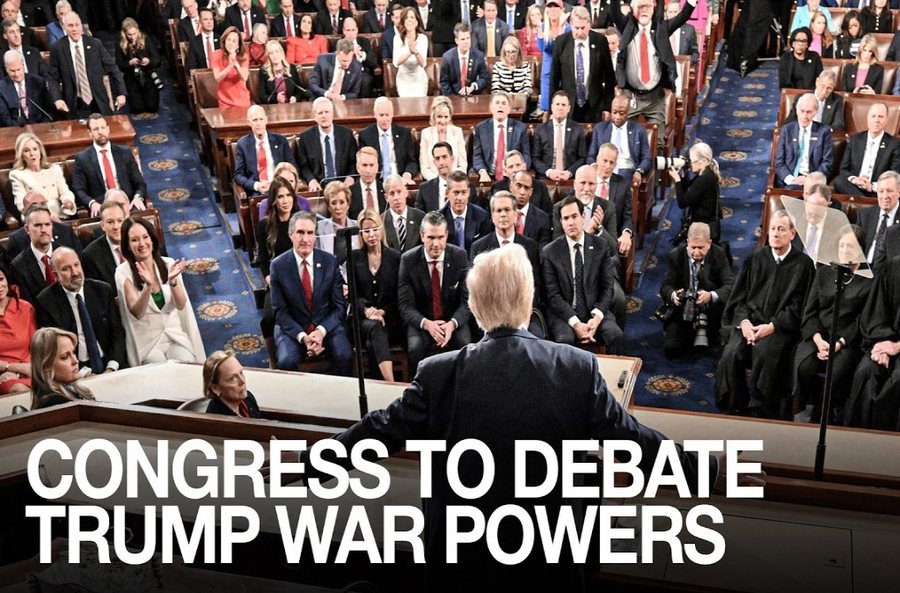
A resolution has been introduced in Congress that aims to limit the president's powers to continue attacks without the approval of lawmakers...
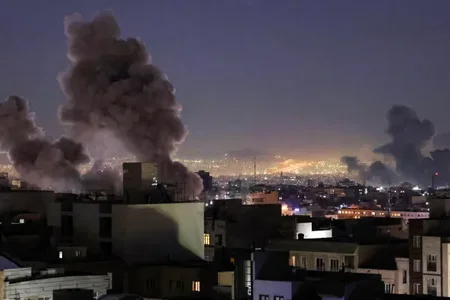
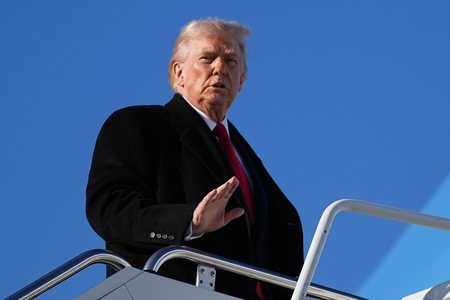
The war between the US, Israel and Iran is causing a strong political clash in Washington, where the US Congress is debating President Donald Trump's powers to continue military operations.
After hours of debate, the divide between the two political camps has become clear. Republicans argue that stopping the president at this time would harm national security and that the commander-in-chief of the armed forces has the right to take military action to protect American interests.
On the other hand, Democrats strongly oppose this stance, saying that the president does not have a clear plan and that his actions are endangering American troops in the region.
A resolution has been introduced in Congress that seeks to limit the president's authority to proceed with strikes without congressional approval. If passed, the resolution would require the president to immediately halt military operations against Iran unless Congress gives direct authorization.
However, according to political analysts in Washington, it is unlikely that the resolution will pass, as Republicans in Congress are largely united in support of Trump, while Democrats are almost unanimously against the war.
While the vote may not directly change the course of military operations, it has major political significance. Through this process, every member of Congress will have to publicly position themselves on war with Iran, at a time when the entire House of Representatives and a third of the Senate will face new elections.
Historically, in the early days of military conflicts, US administrations have emphasized the success of operations on the ground. However, critics warn that wars often become more complex over time and require broad political and institutional support.
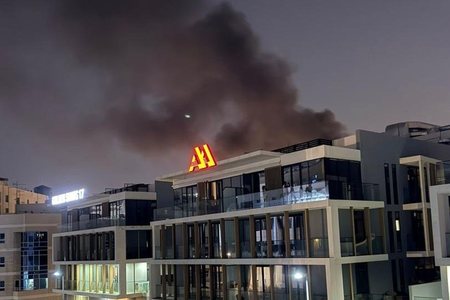
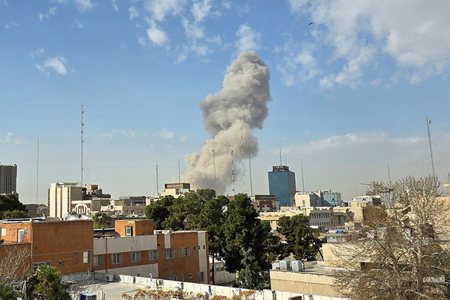
The debate in Congress is expected to continue as the war in the Middle East enters an increasingly dangerous phase, with the involvement of several countries in the region and the risk of wider escalation.


Lini një Përgjigje