


 Shkruar nga Stefano Stefanini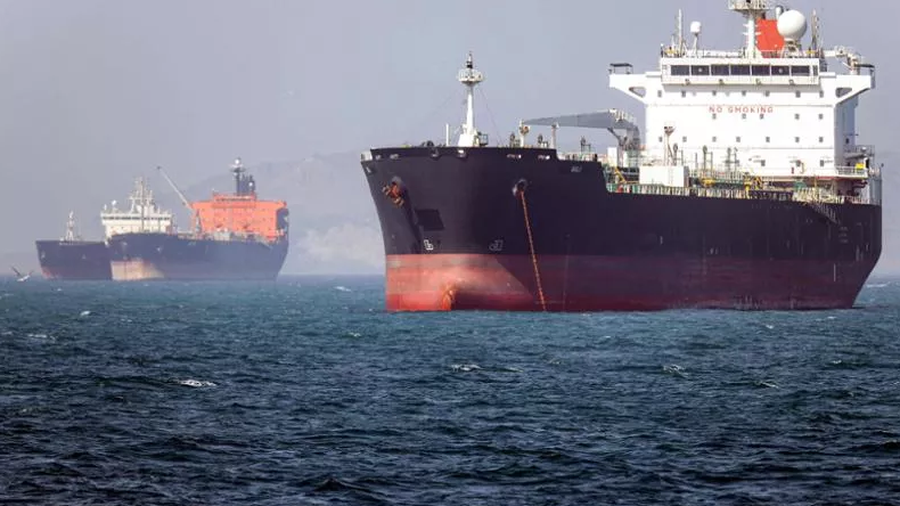
The blockade of the Strait of Hormuz is hitting the global economy hard, especially the European one. Amidst energy pressure and geopolitical tensions, the solution cannot come from military power alone. Diplomacy remains essential to avoid escalation and a major crisis...
The fierce clash of power between Washington and Tehran has already entered a "gray zone", where the advantage is tilted towards Iran. Neither open war nor genuine peace: naval blockades facing each other, aggressive rhetoric in public, while indirect and cautious negotiations are taking place behind the scenes.
The Iranians, with their strategic patience, are making the most of this situation. The ceasefire gives them time and breathing space. Meanwhile, Donald Trump appears impatient. Gas prices are rising relentlessly and, accustomed to his promises against electric alternatives, American consumers are even less patient than he is.
If the cause is the closure of Hormuz, then the Strait must be reopened, and as soon as possible. Negotiations are not yielding results, so the option of force remains: breaking the Iranian blockade.
The idea of “freeing” the ships — perhaps hundreds — stranded in the Persian Gulf is the crux of this approach. The energy benefits may be delayed, but in the meantime Trump aims to regain the political initiative.
In the Persian Gulf, weak in diplomacy, the American president relies on overwhelming military air and naval superiority over the Iranian Supreme Leader. Meanwhile, in the international arena, he sends mixed signals: tough on Europe - with threats of troop withdrawal, tariffs and boycott of the G7 summit in Evian - but more open to dialogue with Vladimir Putin and Xi Jinping.
Meanwhile, he is trying to strike a more conciliatory tone with Pope Leo XIV. You can't enter the Vatican with warlike language. Signs of dialogue are expected there. But the question remains: how much peace will Marco Rubio bring to his meeting with the Pope, who has placed peace at the center of his recent messages?
For the Holy See, the issue is not just Iran. Lebanon, Gaza, the West Bank and Jerusalem itself are also on the list. The Trump administration seems unresponsive in the face of Benjamin Netanyahu's policies and settler pressure to displace Palestinians from the disputed territories.
Unlike previous American administrations, including that of Joe Biden after the tragic events of October 7, 2023, this administration seems paralyzed. The plan for Gaza has been left in limbo.
The closure of a key structure for civil-military coordination and humanitarian aid in the region has even been announced. However, the American approach to Iran is based on three arguments: negotiations are still on the table; the Iranian nuclear program must be stopped; and the Strait of Hormuz must be reopened to avoid an energy, agricultural, and humanitarian crisis with global consequences.
Meanwhile, with regard to Palestine, defending Israel becomes increasingly difficult - not only in the Vatican, but also in Europe. Rome, as the capital of both states, becomes a key diplomatic hub. Rubio's visit aims to recover relations with both Italy and the Holy See.
With the latter, in a long-term perspective, also taking into account the weight of the Catholic community in the US. With Italy, the objective is more immediate: strategic alignment within NATO and on the Iranian issue.
But after the recent tensions and the cooling of relations with Giorgia Meloni, this rapprochement is not easy. Despite the willingness for dialogue, the space for compromise remains limited. Italy rules out any direct support for military action against Iran.
There can only be technical concessions, as long as the ceasefire lasts. On the other hand, Rubio must maintain a delicate balance: being in line with Trump, without knowing exactly what the American president's next move will be.
If an operation to forcefully reopen Hormuz were to be launched in the meantime, the demand for European support would be inevitable. But Europe faces a difficult dilemma: should it protect freedom of navigation in a fragile peace situation or engage in a dangerous escalation?
On the other hand, the economic damage from the blockade is already great. "Let's wait for peace" risks remaining a lukewarm hope. In the end, war may be one person's political choice, but the consequences are always collective.
The visit to Rome places Italy at the forefront of a challenge that affects all of Europe. And the response cannot be fragmented. A common and coordinated stance is required between the main European capitals./ Pamphlet from “La Stampa”


Lini një Përgjigje