


 Shkruar nga Pamfleti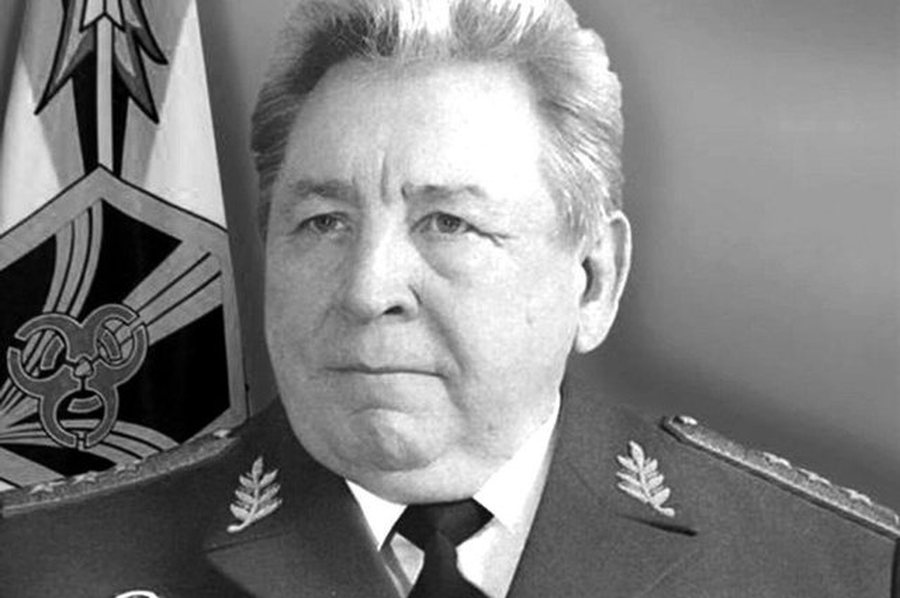
Various reports on the circumstances of death
Colonel-General of the Radiological, Chemical and Biological Defense (RKhBZ) troops of the Armed Forces of the Russian Federation, Stanislav Petrov, has died in Moscow. The Moskovsky Komsomolets newspaper reported a suicide, without citing sources.
According to the publication, the body of one of the founders of modern chemical defense troops in Russia was found by relatives at around 07:00 on April 2 in his apartment in the famous “House on the Embankment” building in Moscow. RIA Novosti news agency confirmed the information, citing sources in law enforcement agencies, who added that a firearm was found near the body. A source for the Izvestia newspaper stated that Petrov was found “sitting on a chair in the kitchen.”
According to media reports, before his death, which was suspected of being a suicide, the retired general had worked as a research fellow at a military institute and as editor-in-chief of the journal “Vestnik Vojsk RKhBZ”. According to his official biography, he held the position of chief research fellow at the state institution “27th Scientific Center”, which has been placed under sanctions by the European Union, the United States, the United Kingdom, Switzerland, Ukraine and Canada due to alleged involvement in the “development and use of chemical substances” within the Russian forces.
In October 2024, British authorities stated that sanctions against this center, as well as against the 33rd Central Scientific Research Institute of the Ministry of Defense and the head of the RKhBZ troops, Lieutenant General Igor Kirillov, are related to the use of chemical weapons in Ukraine, including chloropicrin.
On the other hand, Russia has indirectly acknowledged the center's role in developments related to chemical defense. An article on the institution's 50th anniversary states that its specialists have provided "reliable defense" for the country and have "in practice neutralized the military-chemical potential of the US and NATO," influencing the negotiations that led to the signing of the Convention on the Prohibition of Chemical Weapons.
Stanislav Petrov was born in 1939 in the city of Gorky (now Nizhny Novgorod). He served in chemical defense units from the age of 20 and participated in operations to combat the consequences of the Chernobyl disaster. From 1989 to 1992, he headed the chemical defense troops of the Soviet Union. In 1991, he was awarded the Lenin Prize, and ten years later he received the title of Doctor of Military Sciences.
A TASS source in the medical services stated that the death may have been due to illness: "He had recently been suffering from a serious health condition." The exact circumstances of the death remain unclear and are based on various media reports and institutional sources.


Lini një Përgjigje