


 Shkruar nga Simone Benazzo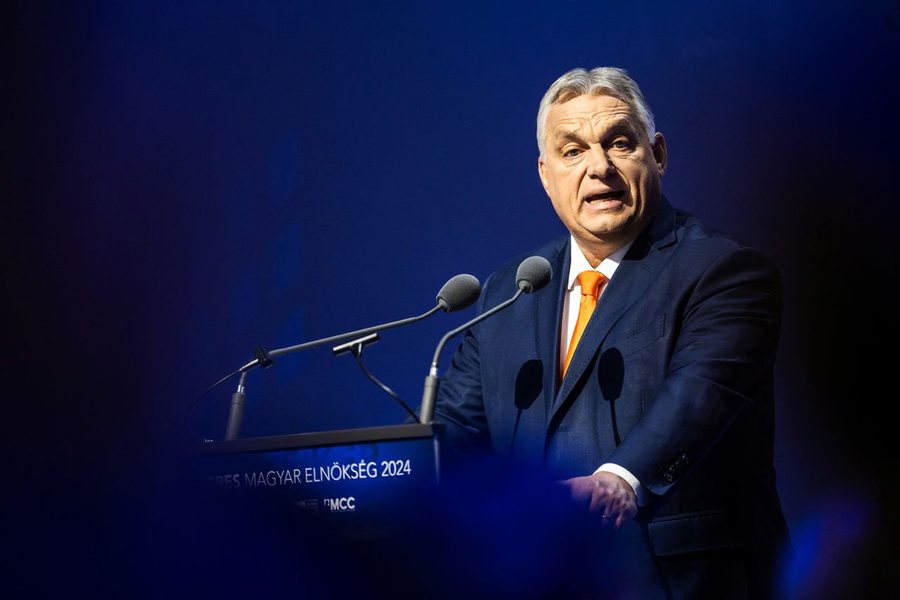
The investigation by Direkt36 shows how the family and friends of the Hungarian prime minister have built an empire through rigged tenders and public contracts.
A documentary released a few weeks ago is casting strong doubts on Viktor Orban's authoritarian regime in Hungary. It was produced by the investigative media outlet Direkt36 and is titled "The Dynasty" (A dinasztia, in Hungarian) and is available on YouTube, with English subtitles.
In less than an hour, he describes in detail how Orban's closest people - his son-in-law, father and childhood friends - have enriched themselves during the 14 years of Orban's dictatorship, largely thanks to rigged public contracts and tenders.
So far, the documentary has been viewed by 3 million people, or about a third of the entire population of Hungary. Hungarian authorities responded to the documentary's release by accusing Direkt36 of being funded by the Ukrainian government.
In fact, Direkt36 is one of the few remaining independent media outlets in Hungary. The last few months have been very difficult for the few free media outlets that still survive in Hungary. The sovereignty law adopted at the end of 2023, and modeled after the laws against “foreign agents” adopted in countries subject to completely authoritarian regimes such as Russia and Georgia, served the Hungarian government to attack Atlatszo, the second investigative newspaper still active in Hungary, along with Direkt36.
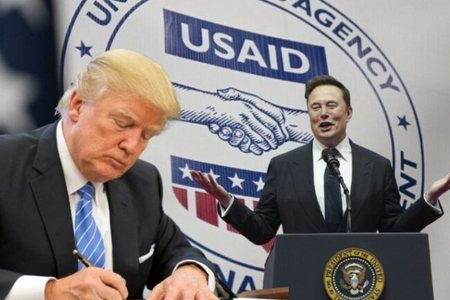
The second blow came with the cessation of USAID funding, which supports many independent Hungarian media outlets, including Atlatszo itself. The success of Direkt36’s investigative documentary highlights three important elements in what is increasingly looking like an existential battle for the right to information, in Hungary, but also in the rest of what was until recently considered the West.
First, Hungarian journalism, although in agony, is still alive. The fierce reaction of Orbán's circle, the smear campaigns launched immediately after the documentary's release, show that this investigation has hit where it hurts.
According to Russian political scientists Daniel Treisman and Sergei Guriev, most current authoritarian regimes qualify as informational autocracy. In these types of regimes, leaders tend to use violence and terror less than their 20th-century counterparts.
Instead, they feel compelled to demonstrate that they are capable, competent leaders, motivated by the spirit of public service. This is why investigative journalism like “Dynasty” or the famous “Putin’s Palace” by Alexei Navalny in 2020 so frightens autocrats like Orban and Putin.
Sepse na kujtojnë se cilat autokraci fshihen pas narrativave ksenofobike, luftërave kulturore dhe retorikës sovraniste: kleptokraci apo regjime, ku një pakicë afër pushtetit pasurohet në kurriz të komunitetit, duke përvetësuar fondet publike dhe duke përjashtuar këdo që nuk është pjesë e rrethit të duhur.
Në thelb, një regjim autokratik është një bandë hajdutësh, një “shtet mafioz”, siç e kanë quajtur politikologët hungarezë Bálint Magyar dhe Júlia Vásárhelyi Hungarinë e Orban. Dhe si të gjithë hajdutët, autokratët jetojnë nën një frikë të vazhdueshme se mos zbulohen.
Së dyti, është thelbësore mbështetja e këtyre mediave nga konsorciumet e gazetarisë evropiane. Rezistenca gazetareske po evropianizohet. Dhe Direkt36 është një pioniere e bashkëpunimeve transnacionale.
Ajo është anëtare e Vsquare, bashkimi i mediave investigative në Evropën Qendrore, BIRN, një rrjet gazetash investigative aktive midis Ballkanit dhe Evropës Qendrore, dhe i OCCRP, rrjeti kryesor evropian i mediave investigative.
Edhe pse jo drejtpërdrejt e matshme, mbështetja e këtyre partnerëve ka luajtur ndoshta një rol të rëndësishëm në përhapjen e madhe të dokumentarit “Dinastia” edhe jashtë Hungarisë. Përveç solidaritetit ideal mes mediave, një arsye tjetër për evropianizimin e rezistencës gazetareske, buron nga fakti se dimensioni evropian është sot një element qendror për një shpjegim të plotë të dinamikave të brendshme politike.
Për shembull regjimi i Orban, jeton me subvencione dhe financime të BE-së.
Së treti, për të siguruar mbijetesën e gazetarisë kritike që mund të sfidojë autokratët, njerëzit duhet të jenë të gatshëm të paguajnë. Aktualisht, sipas raportit të fundit nga Instituti Reuters, vetëm 10 për qind e njerëzve në Hungari thonë se paguajnë për lajmet që lexojnë.
E njëjta përqindje si në Itali. Në regjimet ku është zhdukur dallimi mes shtetit dhe partisë qeverisëse, fondet publike i jepen thuajse tërësisht mediave pro-qeveritare dhe gjithnjë e më shumë asaj galaksie para-gazetarësh të përbërë nga influencues, podkaster, media alternative që kanë aftësinë të përmbytin vendet e tyre me kontribute propagandistike të transmetuara nga qeveria, siç po ndodh tani në Shtetet e Bashkuara.
Përveç Hungarisë, politizimi i shpërndarjes së fondeve publike në favor të mediave pro-qeveritare u vu re edhe në Poloni gjatë qeverisjes 8-vjeçare të partisë ultra-nacionaliste PiS. Një dukuri e ngjashme, po ndodh tani edhe në Sllovaki nën qeverinë e Robert Fico.
Regjimi hungarez ka hedhur tashmë hapin tjetër: financimin e mediave evropiane, të cilat publikojnë artikujt propagandistikë në anglisht pro Orban dhe që i drejtohen audiencës ndërkombëtare. Tani duket e mundshme që administrata Trump të ndjekë së shpejti këtë shembull.
But it will have far more resources at its disposal than its Hungarian counterparts. Not to mention the fact that the US government already controls a widely distributed media network around the world, Voice of America, which was the subject of efforts to turn it into a megaphone of sovereigntist propaganda during Donald Trump's first term (2016-2020).
As public support dwindles and advertisers increasingly withdraw for fear of reprisals, independent newspapers are forced to rely more and more on readers who choose to subscribe. So it will be they who decide how much liberal democracy is worth. /Adapted from Pamphlet by Linkiesta/





Lini një Përgjigje