


 Shkruar nga Pamfleti
The question "does the end justify the means?" has no easy answer. But it does have one constant: whenever the means prevail over the rules, the end weighs more heavily on the future than the present.
The United States operation in Venezuela is not an isolated incident. It is the most brutal and modern version of a doctrine that spans almost two centuries of American politics: the Monroe Doctrine. That framework that, since 1823, defined Latin America as an area of vital US interests and, over time, evolved from a defensive declaration into a means of imposition.
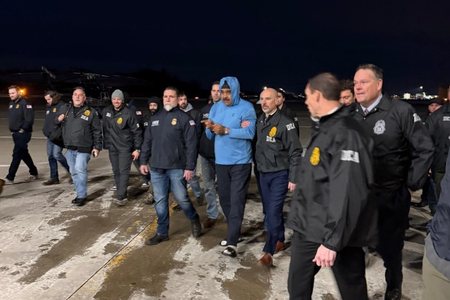
The removal of Nicolas Maduro by military means, under the political responsibility of Donald Trump, cannot be seen outside this historical thread. It is not simply "dealing with an authoritarian leader". It is the application, in its most extreme form, of the logic that the Western Hemisphere remains a space where Washington retains the right of ultimate intervention.
The Monroe Doctrine as a Continuation, Not a Memory
Since the early 20th century and the Roosevelt Interpretation, the US has proclaimed itself the guardian of “order” in Latin America. During the Cold War, the doctrine was cloaked in an anti-communist cloak. After 1991, it took on the language of democracy, human rights, and the fight against crime. The essence, however, has remained the same: no rival power should gain strategic depth so close to the US.
Today, the rival is not Moscow, it is Beijing. Venezuela, with its vast energy reserves, oil flows to Asia, and geopolitical value, has become a center of this rivalry. The operation in Caracas is not just about the regime or even Maduro himself. It is about the message that the American “near periphery” is non-negotiable or ceases to be so under Trump.
From sanctions to a fait accompli
The path is familiar. Sanctions, diplomatic isolation, economic pressure, attempts at internal change. When all that failed, the fait accompli arrived. Capturing a sitting head of state by military means is not just escalation. It is a break with the very rhetoric of the “rules-based order” that the US has used for decades.
And it is here that the Monroe Doctrine shows its modern version: less as a declaration and more as a practice. Not always nominally, but operationally. Not with Cold War-style coups, but with "surgical" operations that produce a political result immediately.
What does the Monroe Doctrine describe?
Doktrina Monroe lindi në vitin 1823 si një deklaratë në dukje e thjeshtë, mbrojtëse. Presidenti i atëhershëm i Shteteve të Bashkuara, James Monroe, deklaroi se kontinenti amerikan nuk ishte më i hapur ndaj kolonializmit evropian. Në këmbim, Shtetet e Bashkuara u zotuan të mos ndërhynin në çështjet evropiane. Ishte, në letër, një akt vetëmbrojtës nga një shtet i ri kundër perandorive të vjetra. Në praktikë, megjithatë, Doktrina Monroe evoluoi në diçka shumë të ndryshme.
Nga mburoja në levë
Në shekullin e 19-të, Shteteve të Bashkuara u mungonte fuqia ushtarake për ta zbatuar doktrinën vetëm. Britania, me marinën e saj, ishte garantuesja e heshtur. Por, ndërsa fuqia amerikane u rrit, doktrina ndryshoi karakter. Nga "ju nuk vini", ajo u shndërrua në "ne vendosim këtu".
Ky tranzicion u vulos në fillim të shekullit të 20-të, kur u shtua i ashtuquajturi Shtojca Interpretuese e Rooseveltit. SHBA-të e shpallën veten jo vetëm mbrojtëse të kontinentit nga forcat e jashtme, por edhe mbikëqyrëse të rendit të brendshëm në shtetet e Amerikës Latine. Nëse një shtet konsiderohej "i paqëndrueshëm", ndërhyrja paraqitej si një e drejtë, madje edhe një detyrim.
Lufta e Ftohtë - doktrina ngurtësohet
Gjatë Luftës së Ftohtë, Doktrina Monroe fitoi thellësi ideologjike. Amerika Latine u transformua në një zonë përmbajtjeje për komunizmin. Grushtet e shtetit, operacionet e fshehta, presioni ekonomik dhe ndërhyrjet ushtarake u pagëzuan "stabilitet".
Logjika ishte e thjeshtë dhe cinike: më mirë regjime autoritare miqësore me Uashingtonin sesa qeveritë që mund të drejtoheshin nga Moska. Doktrina Monroe nuk u deklarua hapur, por ishte në veprim çdo ditë.
A i justifikon qëllimi mjetet?
Historia e ndërhyrjeve të SHBA-së në Amerikën Latine zbulon një model të qëndrueshëm: ndërhyrjet amerikane janë rrallë neutrale dhe pothuajse kurrë pa kosto. Disa kanë përmbysur regjime autoritare. Të tjerë kanë krijuar paqëndrueshmëri të reja dhe plagë më të thella.
Pyetja "a i justifikon qëllimi mjetet?" nuk ka një përgjigje të lehtë. Por ajo ka një konstante: sa herë që mjetet mbizotërojnë mbi rregullat, qëllimi peshon më shumë mbi të ardhmen sesa e tashmja.
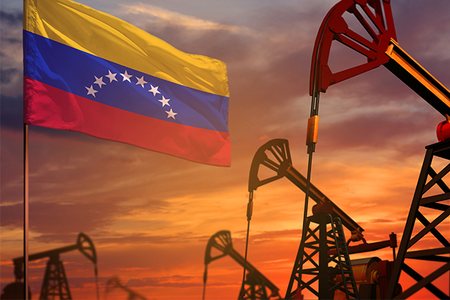
Nafta
Venezuela e Maduros kishte qenë prej kohësh në shënjestër të Trumpit, si dhe të Ministrit të tij të Jashtëm Marco Rubio, veçanërisht sepse Rusia dhe Kina kishin rritur ndjeshëm ndërhyrjet e tyre në mbështetje të regjimit në vendin që ka rezervat më të mëdha të provuara të naftës në botë.
Once involved mainly in business with major American oil companies, Venezuela has long since become a major supplier of crude oil to US adversaries: China, Russia and Iran, as well as Cuba. This situation is intolerable in the eyes of Trump. In this sense, the accusation made by spokesmen for the ousted Maduro regime is not entirely unfounded: control of the country's energy resources is the real cause of American intervention. Trump himself has repeatedly spoken of his desire to return the Venezuelan economy to the bosom of the North American capitalist system.
drug
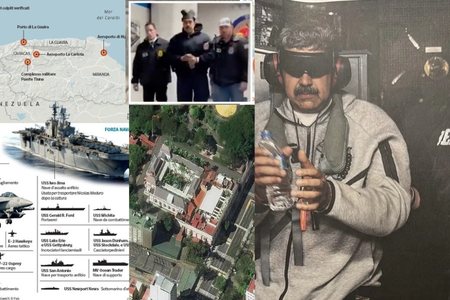
Trump has used drug trafficking as an excuse for the increasing pressure he has exerted on Venezuela since August. He has deployed an ever-larger fleet near its coast, enforced a naval blockade, and destroyed 35 suspected drug-trafficking ships with missiles and drones, causing more than 100 deaths. In recent weeks, special forces have also attacked several oil tankers and at least two attacks on Venezuelan soil, apparently to destroy a port pier from which ships loaded with narcotics were leaving for the United States.
But Trump has also used the drug as a pretext to bypass regulations that would require him to consult with Congress before taking military action abroad that is not prompted by the urgency of responding to a sudden attack. The US government relies on the AUMF, an “authorization for the use of military force” law passed in 2001, following the September 11, 2001, terrorist attacks by al-Qaeda in New York and Washington. These provisions allow immediate action, without parliamentary approval, against terrorist organizations that threaten the US. This law was used by the Bush administration for attacks against the Taliban and al-Qaeda, and then, in 2003, against Iraq.




Lini një Përgjigje