


 Shkruar nga Pamfleti
No one can guarantee that it will end the war or alleviate the economic crisis it has produced...
Donald Trump's strategy toward Iran is like the weather in his home state of Florida: if you don't like it, just wait 5 minutes. On Friday, the president declared that the war could be "over."
He claimed that military objectives have generally been met and did not appear concerned by Iran's continued blockade of the Strait of Hormuz, arguing that America does not "use" this waterway.
But his conciliatory tone lasted only until Saturday, when he gave Iran a 48-hour deadline to reopen the strait: if it did not comply, he warned that "America will strike and destroy their various power plants, starting with the largest."
That was enough to cloud everyone's minds. Trump supporters insist that this rhetorical gymnastics is part of the plan: the president is keeping his options open and keeping Iran on alert.
However, it is clear to almost everyone else that the US entered this war with a flawed strategy, starting with the failure to predict that Iran would close the strait.
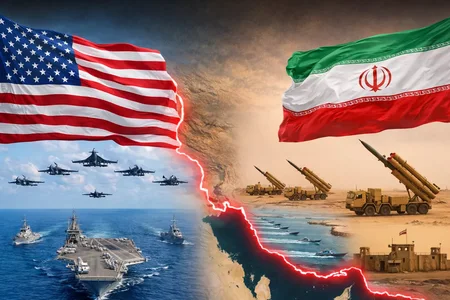
As the fighting enters its fourth week, Trump has four options for how to proceed: he can talk, walk away, continue the same course, or escalate the situation. If he hasn't chosen one yet, it's because none of them are good.
1. Return to negotiations
A dwindling number of diplomats still believe that America and Iran can negotiate a ceasefire. However, that seems the least likely option, given the obstacles to bringing the parties to the table.
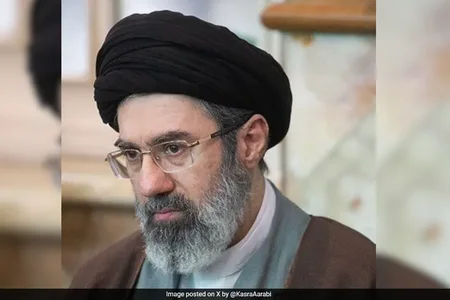
Having been attacked twice in talks with America, Iran is understandably reluctant to go for another round. Its leadership is in disarray. The new supreme leader, Mojtaba Khamenei, has not been seen in public since taking office on March 9.
America can rightly wonder whether any Iranian interlocutors truly speak for the regime. Even the choice of mediator is complicated. Oman mediated the previous two rounds, but has angered its Gulf neighbors with its positive stance toward Iran throughout the war.
They would insist on an alternative mediator (Qatar seems the most likely contender). A deal that trades sanctions relief for limits on Iran's nuclear program would not suffice. The US would enter any talks with maximalist demands.
Ajo dëshiron që Irani të pranojë kufizime të rrepta në programin e tij të raketave dhe të ndërpresë mbështetjen për milicitë arabe. Nga ana tjetër, Irani ka listën e vet të dëshirave, e cila përfshin dëmshpërblime lufte dhe mbylljen e bazave ushtarake amerikane në rajon. Për momentin, asnjëra palë nuk është në “humor” për të bërë lëshime.
2. Të largohet tani duke shpallur një lloj fitoreje
Nëse nuk mund ta përfundojë luftën me një marrëveshje, Trump mund të përpiqet ta përfundojë atë thjesht duke u larguar. Disa nga këshilltarët e tij po e nxisin presidentin të shpallë fitoren.
Ai mund të deklarojë, pa dyshim me disa zbukurime, se aftësitë ushtarake të Iranit janë shkatërruar, se marina e tij është fundosur dhe fabrikat e raketave janë shndërruar në rrënoja.
Ky do të ishte opsioni tipik i stilit “Trump”: shitja e një fushate të paqëndrueshme si një fitore vendimtare.
Ai e bëri këtë edhe në qershor 2025, kur pretendoi se programi bërthamor i Iranit ishte “zhdukur” nga sulmet amerikane - ndonëse 8 muaj më vonë e përshkroi të njëjtin program
si kërcënim. Ai mund të shqetësohet se këtë herë votuesit do të jenë më të vështirë për t’u bindur.
Çmimet e naftës në SHBA janë rritur tashmë me 34 për qind brenda një muaji. Por pjesa dërrmuese e bazës së tij republikane e mbështet ende luftën, dhe përfundimi i saj tani do
t’i jepte krizës 7 muaj kohë për t'u zbutur para zgjedhjeve të mesit të mandatit në nëntor. Megjithatë, probleme të tjera mbeten të pazgjidhshme. Irani do të kishte ende rreth 400 kg uranium të pasuruar në nivelin 60 për qind dhe një vendosmëri të re për ta shndërruar atë në bombë bërthamore. Po ashtu, kjo do ta mbyllte luftën me një bllokim të plotë të Ngushticës së Hormuzit.
3. Të vazhdojë kursin aktual
Një mundësi e tretë është vazhdimi i kursit. SHBA-ja dhe Izraeli mund të vijojnë edhe për disa javë me sulmet e tyre ajrore. Shumë zyrtarë izraelitë e preferojnë këtë mundësi. Shefi i ushtrisë deklaroi se fushata do të vazhdojë gjatë gjithë festës së Pashkës, e cila përfundon më 9 prill.
Numri i sulmeve iraniane me raketa dhe dronë ndaj Izraelit dhe shteteve të Gjirit ka rënë
nga gati 1.000 në ditën e parë të luftës, në një mesatare prej më pak se 100 në ditë tani. Mbështetësit e kësaj politike në Uashington argumentojnë se disa javë të tjera sulmesh do
ta ulnin edhe më shumë këtë numër, ose ndoshta do të shkaktonin rrëzimin e regjimit. Ndërkohë, Amerika do të kishte kohë të dërgonte më shumë anije luftarake në rajon dhe të punonte për ndërtimin e një koalicioni që do të siguronte shoqërimin e anijeve përmes ngushticës.
Sidoqoftë, s’ka asnjë garanci se kjo do të funksionojë. Ky është një bast i rrezikshëm. Për sa kohë që Irani mund të vazhdojë sulmet sporadike ndaj anijeve, ai mund ta mbajë të mbyllur ngushticën dhe t'i mohojë fitoren Trumpit.
Meanwhile, it could cause damage elsewhere. On March 21, two ballistic missiles that hit southern Israel injured more than 160 people after defense systems failed to intercept them. The economic costs would rise, and continued attacks would reduce the supply of air defense interceptors for Israel and the Gulf states.
4. To further escalate the war
This is the last option, “escalation to de-escalate,” as Treasury Secretary Scott Bessent recently described it. Trump could follow through on his threat to strike Iran’s nuclear power plants.
He could order the Marines to conduct amphibious landings to seize Kharg Island (a major oil terminal) or three strategic islands near the strait that are being disputed between Iran and the Emirates. But escalation carries many risks.
Marines who would occupy the islands would have to keep them under regular drone attacks. A raid on the nuclear facilities would require commandos to defend hostile territory for days. The Gulf states would face even greater risk, as Iran has threatened to strike their water and power plants if the US attacks its power grid.
The Iranian attack on Qatar's liquefied natural gas (LNG) facility on March 18 caused such extensive damage that 3 percent of global supply could be out of service for 5 years.
Ultimately, none of these options guarantees an end to the war. The president can declare victory, but if Iran keeps the strait closed, he has only prolonged the blockade. Escalation is not an end in itself. What will America do with Kharg Island if Iran refuses talks again?
By starting this war, Donald Trump has left no easy path for how to end it. / Pamphlet from "The Economist"




Pse analizohen opsionet e PSIKOPATIT Trump,PSE!!!???? Duhet te analizohen obsionet e SIONSTEVE GJAKATAR IZRAELIT. Si lejohet pa asnje shqetesim Izrakrimi te mbaje dhe te prodhoje bamba atomike!!?? A ka ndokush ndonje mendim per kete? C'fare eshte Izraleshi,c'fare ka me shume ai shtet (me TERRITOR TE GRABITUR),se te tjeret per rreth. KJO DON ANALIZE TE THELLE DHE SH T E R U E S E!!! Dhe Donkarios Trumpillis udhehiqet nga koka e tij e poshtme,pra asht KOKEKAR(kerkoj falje). Nentor e Marte e pare 2026,po afrohet.Kete dite vetem se do ti'a marrin masat e kyceve te duarve.Ne 2028 do i'a vene ne dore. P R A N G A T!!!!