


 Shkruar nga Pamfleti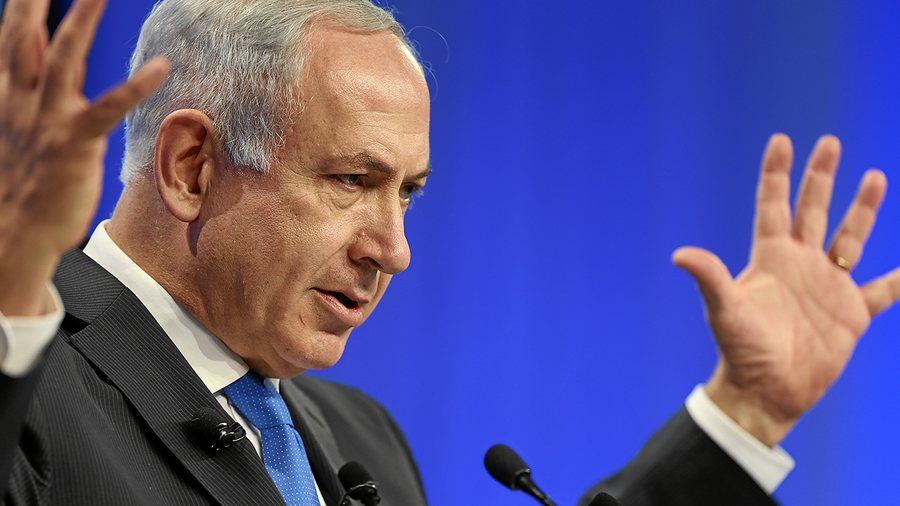
Israel will send its negotiating team to Doha, and this is a signal of hope for the Gaza Strip.
Following Hamas's tentative approval of the draft ceasefire agreement presented by Qatari mediators, which in fact follows the plan of American Steve Witkoff, the Jewish state's response was expected.
Netanyahu, after convening the Security Council, confirmed the sending of the team, but stressed that the changes requested by Hamas to the draft "are not acceptable."
The team is expected to arrive in the Qatari capital today for what are described as "close talks": essentially, this is the final phase of negotiations that, as usual, will not be direct, but will take place through Egyptian, Qatari and American mediators. On the table is the hypothesis of a two-month ceasefire, during which Israel would take 28 hostages (10 still alive, 18 dead), while Hamas is demanding more guarantees for a serious and prolonged negotiation, with the aim of making it permanent.
Among the points still under discussion, on which Netanyahu is adamant, are the fate of the Gaza Humanitarian Foundation (GHF) and the positions within the Strip to which Israeli troops should withdraw during those 60 days. Hamas, meanwhile, fears precisely the last hours before a possible ceasefire. Yesterday alone, another 70 victims were recorded from the bombings of the Israeli Defense Forces (IDF).
The security apparatus of Hamas, the Palestinian Islamist movement responsible for the October 7 pogrom, issued a series of instructions and a warning: "Israel may exploit this moment for targeted killings, arrests and attempts to free hostages."
Meanwhile, two American contractors were injured when two grenades exploded near one of the Ghf aid distribution points in Rafah, as Gazans were pulling out food packages. The Israeli army confirmed the attack, accusing Hamas and other Palestinian armed groups of sabotage. It also announced that it had shot down, through the Iron Dome air defense system, two rockets launched from Gaza towards southern Israel.
Netanyahu, who is heading to Washington today to meet the US president at the White House ("A ceasefire this week", Trump hopes), has discussed with ministers the guidelines for the negotiating team, especially to define the "red lines" from which he will not retreat.
During the day yesterday, Netanyahu also spoke with Giorgia Meloni: the Italian Prime Minister stressed the urgency of reaching a ceasefire that would allow the release of the hostages who are still alive and the full and unconditional entry of humanitarian aid to the civilian population. Meloni also communicated with the Emir of Qatar, Tamim bin Hamad al Thani, as part of contacts initiated at the G7 summit in Kananaskis.
But the families of the hostages are protesting, as even in the best case scenario, only half of the survivors will be released. In Tel Aviv and other cities across the country, tens of thousands of demonstrators joined the protests of relatives. “At this critical moment, it is forbidden to accept the Schindler lists that are being dictated to us, as if it were impossible to turn them all back,” declared the Families Forum, referring to Oskar Schindler’s list, with the names of Jews he saved from deportation to Nazi concentration camps during the Holocaust. For relatives, the way in which the hostages are being released through lists and different stages creates “unbearable uncertainty.”/ La Repubblica






Lini një Përgjigje