


 Shkruar nga Pamfleti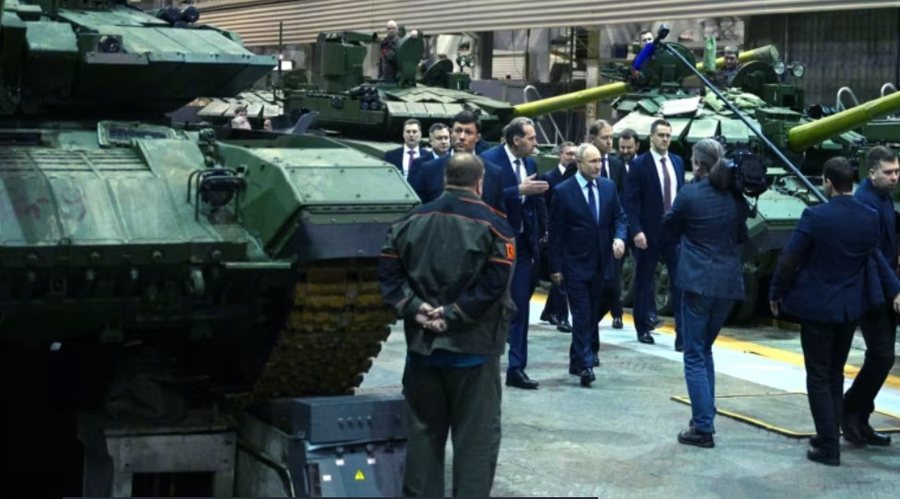
"Putin does everything he says he wants. And the only thing that can stop it is a policy of force."
New assessments of Russia's military capabilities and threats to NATO security have led to a growing chorus of warnings from Western governments and pressure to invest more in defense.
"We are living in really dangerous times [and] at a point where large-scale conflict is more likely than it has been in recent history," said a British military intelligence official.
"Russia's war intent is still there," a second UK defense official said. "Its ground forces have been degraded in Ukraine, but its air force and navy are largely intact, and Russia is still a major nuclear power."
The warning comes ahead of the Munich Security Conference, which begins Friday, an annual gathering of security, military and intelligence officials and experts that provides a snapshot of the global defense picture at a time of record volatility.
One reason for Western officials' alarm is Russia's revival of its industrial defense machine over the past year, which has developed at a speed many in the West thought impossible.
Russia produced 4 million artillery shells and several hundred tanks during the year. It will recruit another 400,000 men this year without resorting to full-scale mobilization, Ukrainian officials predict.
At the same time, the future of NATO itself has been called into question by the prospect of Donald Trump's return to the White House. Trump last weekend said he would "encourage" Russia to attack any NATO member that failed to meet the alliance's defense spending target of 2 percent of gross domestic product.
European NATO member states have increased their defense spending by about a third over the past decade, with several countries increasing their spending significantly since Russia's February 2022 full-scale invasion of Ukraine.
While the Russian military is heavily deployed in Ukraine and has suffered heavy losses during the two years of conflict, most Western officials expect it to be able to rebuild its forces within five to six years.
"We know that adversaries are always looking for new ways to wage war," UK defense secretary Grant Shapps told reporters on Thursday. "That's why we have to be in our state. That's why we have to be ready."
Zyrtarë të tjerë të mbrojtjes perëndimore në javët e fundit kanë lëshuar një numër të paprecedentë paralajmërimesh publike për mundësinë e një konflikti më të gjerë në Evropë me një Rusi më të sigurt dhe të riarmatosur.
Ministri i mbrojtjes i Danimarkës Troels Lund Poulsen tha javën e kaluar se Rusia mund të testojë klauzolën e mbrojtjes reciproke të NATO-s "brenda një periudhe tre deri në pesë vjet". Kjo pasoi paralajmërime të ngjashme nga kolegët nga Suedia, Britania e Madhe, Rumania, Gjermania dhe zyrtarë të lartë të vetë NATO-s që nga fillimi i vitit.
“Ne do të duhet të mësohemi me idenë se është realiste që [Presidenti rus Vladimir] Putin të [sulmojë një vend të NATO-s brenda 5-8 viteve]”, tha Marie-Agnes Strack-Zimmermann, kryetare e mbrojtjes së Bundestagut. komiteti. “Njeriu drejtohet nga një lloj imperializmi që nuk e kishim menduar kurrë se mund të ekzistonte në shekullin e 21-të.”
“Është një kërcënim i besueshëm dhe ne duhet të jemi të përgatitur për këtë”, tha një diplomat i lartë i NATO-s për paralajmërimet për një sulm të mundshëm rus ndaj një anëtari të aleancës. “Nuk më duken si fantazi parashikime të tilla. . . Ne nuk kemi luksin të mendojmë se Rusia do të ndalet në Ukrainë”.
Një zyrtar i lartë evropian shkoi aq larg sa tha se "qëllimi dhe aftësia" e Rusisë për të sulmuar një vend të NATO-s para fundit të dekadës ishte "shumë konsensus" brenda aleancës ushtarake të udhëhequr nga SHBA. "Oportuniteti është i vetmi variabël," tha zyrtari.
Zyrtarët thanë se një arsye për paralajmërimet e tmerrshme ishte përgatitja e shoqërive për rrezikun e mundshëm dhe për të siguruar që infrastruktura civile të ishte gati për pasojat e mundshme.
Kjo përfshin sigurimin që furnizimet dhe rezervat kombëtare të energjisë janë mjaft elastike, që rrjetet e komunikimit janë të sigurta dhe mund të funksionojnë siç duhet në rast lufte dhe se infrastruktura kritike, duke përfshirë rrugët dhe hekurudhat, mund të përballojë sasinë e madhe të pajisjeve ushtarake që do të nevojiteshin. transportohen nëpër Evropë.
Komanda e Përbashkët e Mbështetjes dhe Mundësimit të NATO-s, një qendër komanduese e aleancës në qytetin jugor të Gjermanisë, Ulm, po harton plane se si forcat ushtarake të NATO-s do të vendosen rreth Evropës dhe do të mbështeten dhe përforcohen në rast të një konflikti, thanë zyrtarët.
Ky proces do të bazohet në mësimet e nxjerra nga stërvitja e vazhdueshme "Steadfast Defender", e cila simulon një konflikt në shkallë të gjerë me një armik në lindje të NATO-s, lojërat më të mëdha të luftës të tilla në historinë e aleancës që nga Lufta e Ftohtë.
Admirali Rob Bauer, i cili kryeson komitetin e NATO-s që këshillon strategjinë ushtarake të aleancës ushtarake, tha se stërvitja kishte të bënte me "përgatitjen për një konflikt me Rusinë".
General Sir Patrick Sanders, the outgoing head of the British Army, has warned that the UK public should be ready to fight in a possible war with Russia. British citizens must be "trained and equipped" to fight back because Moscow planned to "defeat our system and our way of life", Sanders said in a speech last month.
Such warnings were not an attempt to incite panic, the top British intelligence official said. The warnings, he said, "are so that we have foresight and are forewarned because there is often a very short period between being forewarned and being in crisis".
A senior Ukrainian official said Kiev had "solid intelligence" that Putin was preparing for war against the Baltic states. "Putin just can't be stopped."
However, some members of the alliance are skeptical that Russia's president intends to attack a NATO member. "We appreciate that he takes our commitment to Article 5 seriously and does not want to go to war with NATO," a senior US defense official said.
Putin has said the collapse of the Soviet Union was the greatest geopolitical catastrophe of the 20th century and has made repeated statements about Moscow's desire to protect Russian-speaking populations outside its borders. This argument was one of many deployed by the Kremlin to support its war against Ukraine.
Estonia's foreign intelligence service said this week that Russia intended to double the number of troops stationed along its border with the Baltic states and Finland, a move that could foreshadow a possible military conflict with NATO within the next decade.
"Putin does everything he says he wants. And the only thing that can stop it is a policy of force," said Christoph Heusgen, former foreign affairs adviser to former German Chancellor Angela Merkel and now head of the Munich Security Conference.
"It's the only thing he understands," he concluded.


Lini një Përgjigje