


 Shkruar nga Pamfleti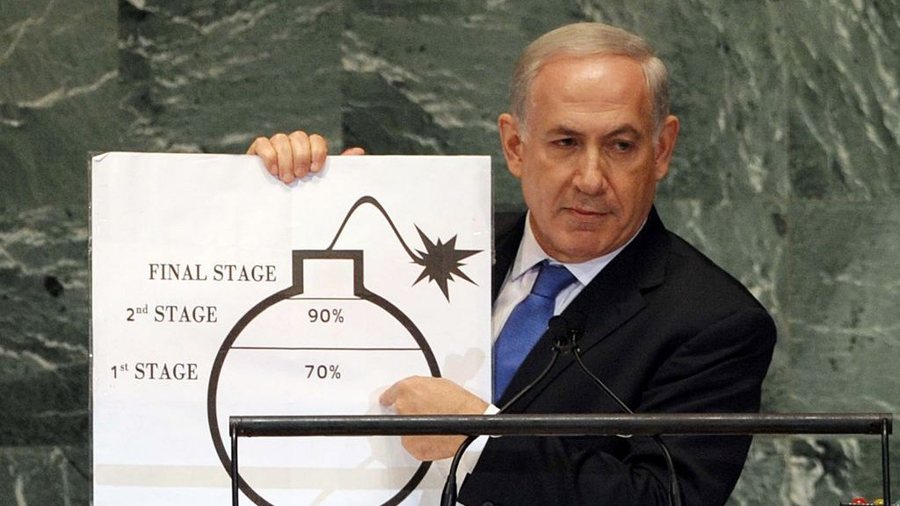
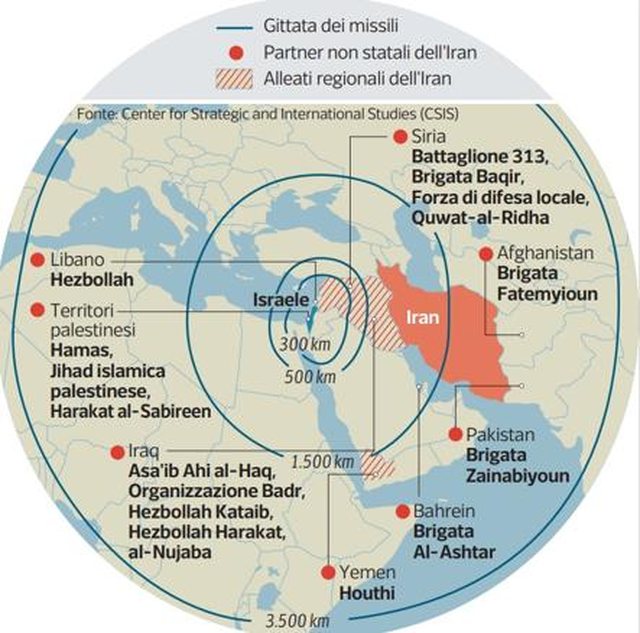
A more traditional missile response or an air force mission would focus on military facilities while trying to avoid as many civilian casualties as possible. Targets include Pasdaran bases in Iran and weapons depots built in recent years by the Revolutionary Guards in Syria towards the border with Lebanon.
When Yitzhak Shamir was buried in the cemetery on Mount Herzl on July 2 twelve years ago, it was Benjamin Netanyahu - who had been a junior deputy minister in his second government - who commemorated him. Now he is in charge of the country and as a lover of history and the leaders who made it (he feels like one of them) he is reconstructing the decision made by the prime minister in 1991, when he bowed to pressure from George Bush and did not react to dozens of missiles Scuds launched by Iraqi dictator Saddam Hussein against Tel Aviv and its environs.
So Shamir fascinates the Israelis, he was a right-wing hawk, if only because of his past as the commander of the Stern gang, responsible for attacks against the British before the birth of the state. In that speech Netanyahu adds his interpretation: «Shamir did not stay inactive. He warned the Americans of the consequences if the bombing continued. And it would have hit Iraq if the Gulf War hadn't ended."
Bibi, as Netanyahu is called, is apparently preparing to pursue this second option.
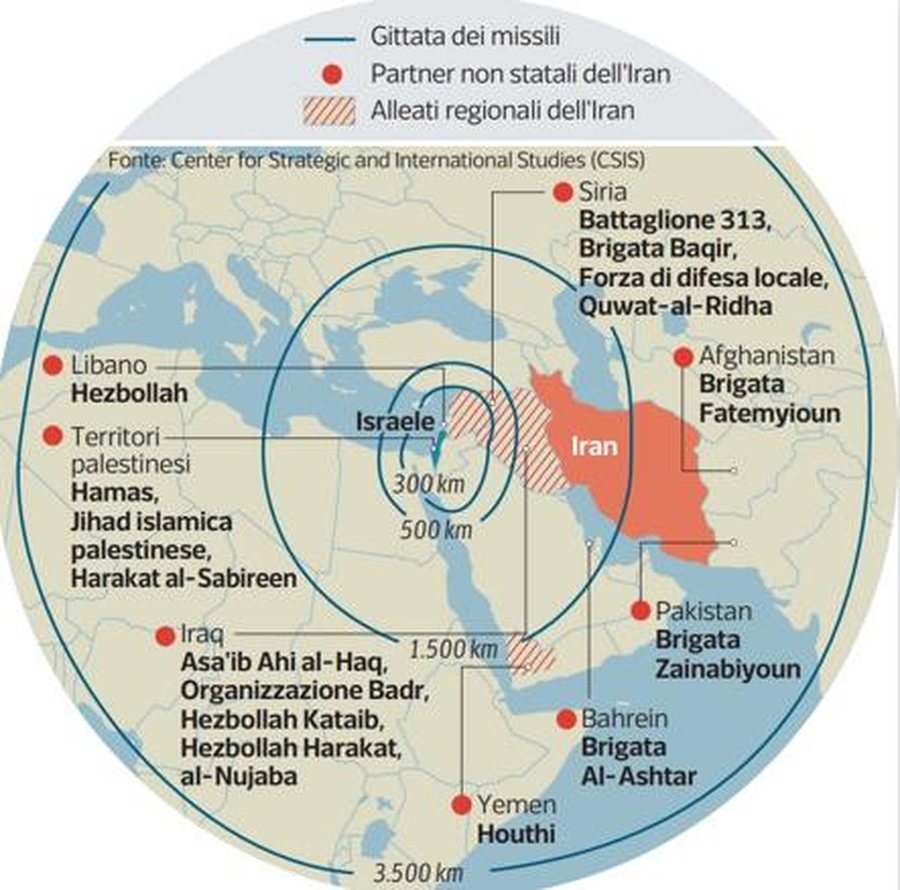
And the development centers could be among the targets of possible retaliation for the bombing ordered by Ali Khamenei, Iran's Supreme Leader, on the night between Saturday and Sunday. It would be the most complex operation possible, the plans exist, have been seen and revised, it would involve the use of F-35s in different squadrons covering nearly 2000 kilometers of flight from different directions.
An essential element is missing if the goal is to stop the nuclear program: to destroy power plants like Fordow, built 80 meters deep inside a mountain, requires 13-ton "bunker buster" bombs that even his friend Donald Trump did not give him when he was president.
The General Staff could choose to hit the regime where it hurts the most and where it is least noticed, because there would be no explosions. Already in 2009, army hackers, together with the Americans, programmed the Stuxnet virus, which infected computers installed in laboratories and delayed the research of scientists. A cyber raid could also focus on infrastructure – gas stations and industries have been targeted in the past – to show Iranians how fragile the mullahs' dictatorship can be.
A more traditional missile response or an air force mission would focus on military facilities while trying to avoid as many civilian casualties as possible. The targets include the Pasdaran bases in Iran and weapons depots built in recent years by the Revolutionary Guards in Syria towards the border with Lebanon./ Corriere della Sera






Lini një Përgjigje