


 Shkruar nga Pamfleti
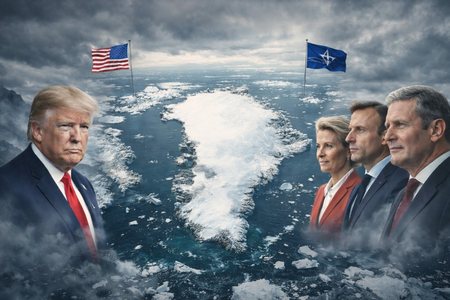
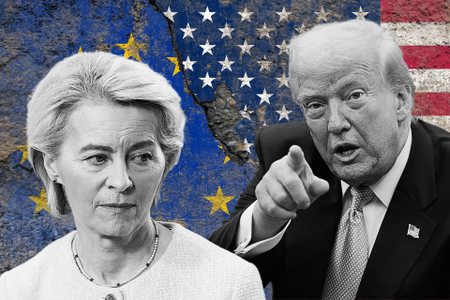
This situation has opened a new crisis in transatlantic relations, testing the unity of NATO and the European Union. European leaders are sending a clear message: national sovereignty and the right to self-determination are not negotiable and cannot be imposed through economic pressure.

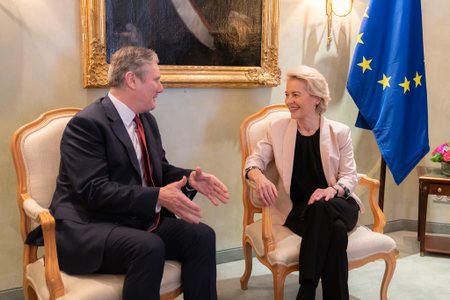
UK Prime Minister Sir Keir Starmer has reacted sharply to US President Donald Trump's threat to impose tariffs on European countries over Greenland, describing this approach as completely wrong.
Starmer's reaction comes after repeated statements from the White House that the United States is considering a range of options to increase its influence over Greenland, including trade tariffs, the purchase of territory or even extreme scenarios of the use of force.
Greenland is an autonomous territory belonging to the Kingdom of Denmark, with its own self-government and parliament. Any idea of taking Greenland by force would have diplomatic consequences, as it would constitute an attack on the territory of a NATO ally. Security experts consider this scenario extremely unlikely, due to the political and military consequences it would entail.
Another option mentioned by the Trump administration is buying Greenland, but that is seen as too complicated. Any such deal would require approval by the US Congress, the support of two-thirds of the Senate and also the consent of the European Union. Denmark, meanwhile, has been adamant: Greenland is not for sale.
Another scenario being discussed is increased US efforts to win the support of the Greenlandic population through short-term financial incentives or promises of future economic benefits. If Greenland were pushed towards independence, it could then enter into a strategic partnership with the US.
In this context, Sir Keir Starmer clearly stated that the United Kingdom's position is unwavering.
"Greenland is part of the Kingdom of Denmark and its future is a matter for the islanders and the Danes. Security in the Arctic is important to all of NATO and allies must act together to respond to the Russian threat. Imposing tariffs on allies on the grounds of collective security is completely wrong," Starmer said.
Strong reactions have also come from other European leaders. Swedish Prime Minister Ulf Kristersson declared that Sweden will not allow itself to be blackmailed and that only Denmark and Greenland have the right to decide on their own affairs. He stressed that this is a matter for the European Union and that Sweden is holding intensive discussions with other EU countries, such as Norway and the United Kingdom, on a joint response.
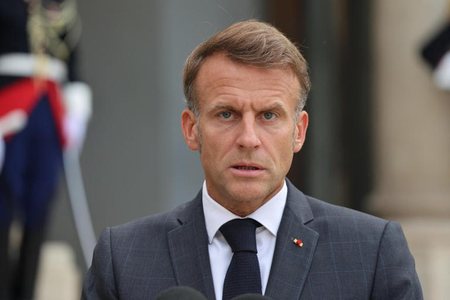
French President Emmanuel Macron said France remains committed to the sovereignty and independence of nations, calling the tariff threats unacceptable. He warned that Europe would react in a united and coordinated manner if the measures were confirmed.
Even within Denmark, the reactions have been fierce. Danish politicians have declared that the country should not submit to Trump's bullying methods, while calls for European solidarity have increased. The President of the European Council, Antonio Costa, announced that a common response is being coordinated, stressing that the EU will firmly defend international law and the territorial integrity of member states.
Trump's latest threat comes despite a previous deal between the US and the EU on tariffs, which agreed to a 15% tariff on EU goods exported to the US, lower than the initial threat of 30%. According to the new announcement, countries including Denmark, Norway, Sweden, France, Germany, the UK, the Netherlands and Finland will face 10% tariffs from February 1, which will increase to 25% after June 1.
This situation has opened a new crisis in transatlantic relations, testing the unity of NATO and the European Union. European leaders are sending a clear message: national sovereignty and the right to self-determination are not negotiable and cannot be imposed through economic pressure.



Lini një Përgjigje