


 Shkruar nga Pamfleti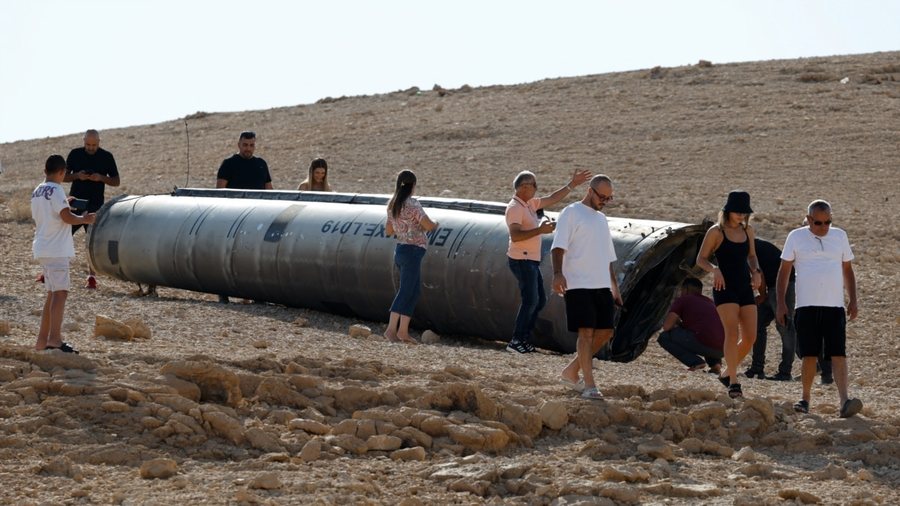
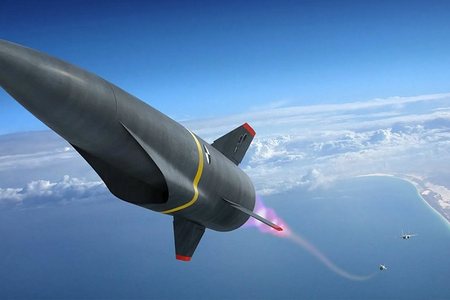
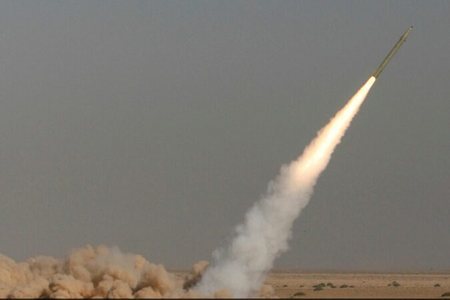
Iran's attack on Israel with 180 ballistic missiles has raised fears of escalation in the Middle East as both countries issued warnings to each other. Israel has vowed to retaliate, while Tehran said Israel must stop violence in the region. Meanwhile, the Israeli army continued its attacks in Lebanon, increasing the pressure on Hezbollah.
Iran said the missile attack was in retaliation for Israel's campaign against Hezbollah in Lebanon, an organization allied to Tehran.
The Israeli military said most of the rockets were intercepted and destroyed in mid-air, although some fell in central and southern Israel and two people were slightly injured.
It was the latest in a series of attacks escalating in a years-long conflict between Israel and Iran and its Arab allies.
Israeli Prime Minister Benjamin Netanyahu said Iran's attack failed.
"He was stopped thanks to Israel's air defense system, which is the most advanced in the world. ..... I also thank the United States for its support in our defense efforts," the Israeli prime minister said.
He vowed that Iran would pay a price for the attack.
"Iran made a big mistake today and will pay for it. The Iranian regime fails to understand our determination to defend ourselves and retaliate against our enemies.”
Iranian President Masoud Pezeshkian said Wednesday that his country will respond even more forcefully if Israel continues its campaign in Lebanon.
"The Iron Dome they have built is not made of iron, it is more fragile than glass. The world must punish such an apartheid, genocidal regime," he said.
The United States, which had notified Israel of the expected attack, also condemned Iran's strike.
President Joe Biden said his administration is "fully supportive" of Israel.
David Aaron Miller, an analyst at the Carnegie Endowment for Peace told VOA on Wednesday that Israel will retaliate and that the Israelis are determined to continue efforts to weaken Iran and its allies in the region, but ...
“Middle East it's a very volatile region and we shouldn't have high expectations that these (Israeli) military achievements will translate into political successes.”
On Wednesday, residents of Jerusalem who had gone out to buy the last groceries before the Jewish New Year said that they were afraid during the Iranian missile attack on Tuesday night, but they trusted the Israeli military.
"I was afraid for my children, grandchildren. I was calling them every moment, it was scary. But thanks to God, we remained safe and we were praying for all the people of Israel," says Sasson Mordehai.
"As long as we followed the instructions of the army command to get into the safe room, I knew we would make it," says Gila Levitan.
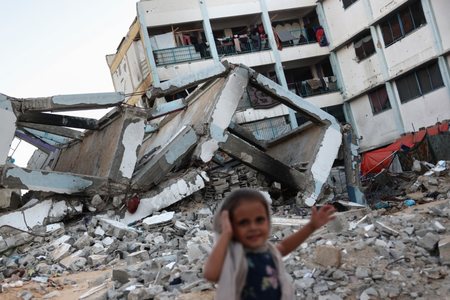
But in Gaza, Iraq, Jordan and Yemen, residents welcomed the attacks, once again highlighting deep regional tensions.
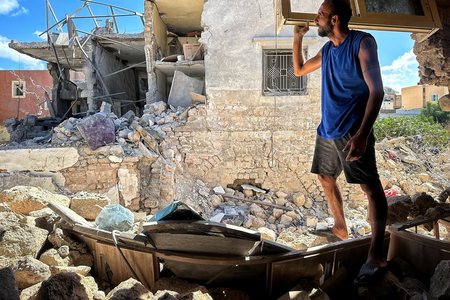
Israel has given no signs that it will stop its actions in Lebanon. The army said on Wednesday that its regular infantry and armored units were joining its ground operations in the country. Israel is building up its presence in southern Lebanon while continuing to pound Hamas in Gaza.
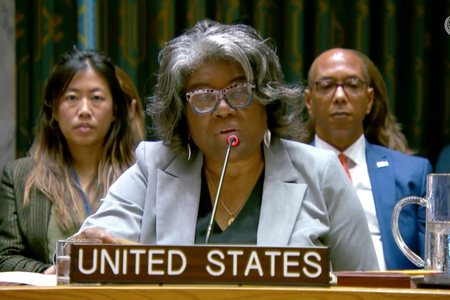
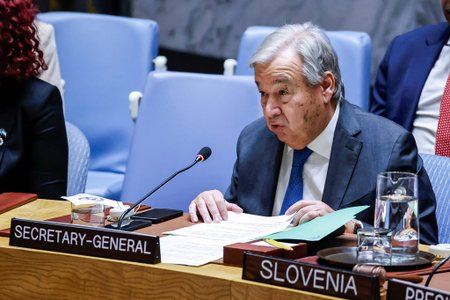
The Security Council is discussing the latest developments. Israel banned Secretary-General Antonio Guterres from entering the country because, as the country's Foreign Minister said, he did not condemn Iran's attack.
Meanwhile, Italy has called an emergency meeting of the G7, regarding the crisis in the Middle East. / VOA


Lini një Përgjigje