


 Shkruar nga Pamfleti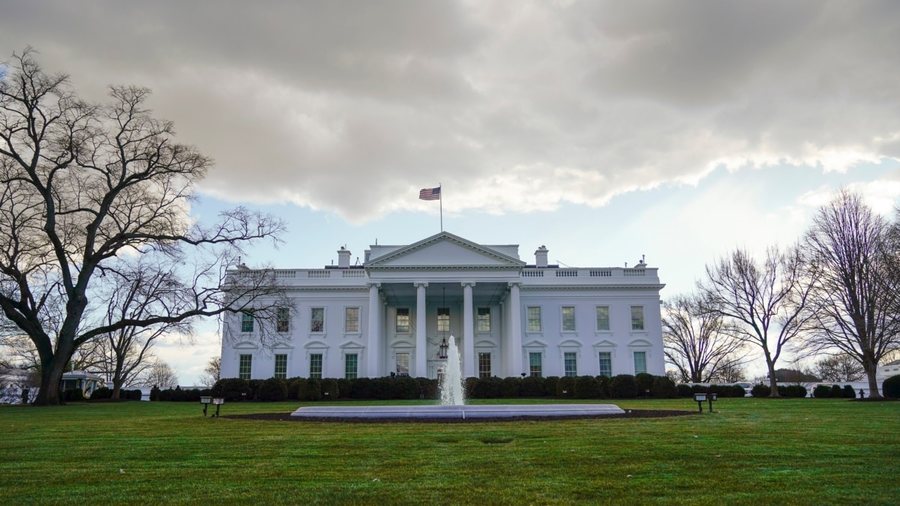
As President-elect Donald Trump prepares to take office, a carefully coordinated process is underway to transfer power from the outgoing administration to the new one. VOA correspondent Salem Solomon brings us expert perspectives on how the federal government is preparing for this pivotal moment in American democracy.
A peaceful transfer of power—an enduring tradition, a solemn promise, and an important component of American democracy...
After an American president is elected, there is a flurry of activity before he is sworn in.
Seventy-six days from the election to Inauguration Day may sound like enough time, but the transition from one administration to another is far from straightforward, says Michael Shurkin, who served on the National Security Council and is now director of global programs in the firm "14 North Strategies".
" We want to make sure that the president succeeds. So if they want to review the policies, we'll help them do that by telling them what we know and explaining what's going on ," he says.
The president-elect officially takes office on Jan. 20, but planning should begin much earlier, says Valerie Smith Boyd with the Center on Presidential Transitions.
" It's an enormous task, and the first thing our organization does is encourage presidential candidates to begin the planning process in the spring of the election year. Of course they have a big focus on winning elections, but they also need to create a separate organization that considers how to review hundreds of thousands of biographies to select exactly the right people, to turn their political promises into action. ,” says Ms. Boyd.
Filling government posts is no small task. Many of the positions require Senate confirmation, while others must go through the security clearance process, creating a delicate period, says expert Boyd.
" We see the transition period as a delicate period for the country, because political appointees, senior leaders are leaving the administration. There can be delays in onboarding new people, and it can certainly create some challenges in communication, or in understanding rules and responsibilities ," says Ms Boyd.
The United States has a long tradition of peaceful transfers of power dating back to 1797, when George Washington handed over the presidency to John Adams. At the foundation of a successful devolution, says Ms Boyd, is clear and effective communication.
" A peaceful transfer of power is best done with two teams, one coming and one leaving. They share information and work closely together to protect the country and the world from very serious threats ," she says.
Mr. Shurkin points out that, ultimately, maintaining a peaceful democracy is more important than who wins the election.
" For a democracy to work, everyone must, at some level, understand that as long as the system works, the system is somehow more important than them. The integrity of the system is more important than whether your favorite candidate won or lost the election. And I think this has historically been an important reason why American democracy has been so stable and so relatively successful ," says expert Shurkin.
As the country prepares for the next presidential inauguration, the process of transferring power brings back the spotlight on the people working out of the public eye who make democracy work. / VOA




Lini një Përgjigje