


 Shkruar nga Pamfleti
There are moments in history when the "bad guys" are essential, they have to take action, while the righteous and those with 'clean hands' stand by and take the grades.
Qatar's mediation was crucial to the release of the hostages from Hamas and Israel. But not long ago it was at the center of criticism and attacks.
A year ago, the so-called "Qatargate" broke out in the European Parliament. Qatar is also denounced by many Westerners for abusing the rights of workers in the construction sites of the soccer World Cup. Qatar, which through its sovereign fund (QIA with assets of 450 billion dollars) has also bought many Western companies and many properties in Milan. However, in times of need, no one hesitates to turn to the "bad" Qatar, one of the few countries in the world capable of dialogue with the White House and the Kremlin, with the heads of the Mossad and those of Hamas, with Iran and with Saudi Arabia.
There are moments in history when the "bad guys" are essential, they have to take action, while the righteous and those with 'clean hands' stand by and take the grades.
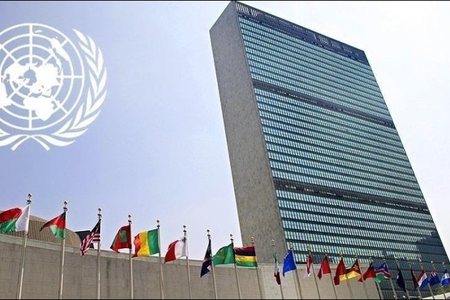
It's an old story. Qatar is accustomed to engender distrust and hostility everywhere, except when everyone needs his services. That Qatar is a logistical platform for some leaders of Islamic terrorism, as well as the banker who finances them (not the only one), has been known for years. But it is not only known, but also tolerated, required, encouraged: by America, by Israel, by the UN.
Among American presidents, the first to endorse this role of Qatar as a Hamas "sanctuary" was Barack Obama: with the idea that it is always better to have an informal channel to talk to even the worst enemy. Then Donald Trump used Doha as a venue for negotiations with the Afghan Taliban on the withdrawal of American troops from Kabul: even then it was useful for America to have a transversal channel thanks to Qatar, given the lack of direct diplomatic relations with the Taliban.
As for Israel, in the most cynical interpretation, Netanyahu wanted Qatar to finance Hamas because the strength of this jihadist militia was a perfect alibi to block any progress towards a Palestinian state. It is also supported by the UN, which has always received detailed information about the functioning of the Qatar-Hamas-Gaza axis.
This small peninsula owes its immense wealth to being one of the largest producers of natural gas in the world; However, it shares its deposits with its neighbor on the opposite Gulf coast, Iran. So Qatar is sitting on what is a giant fossil resource and a powder keg of age-old religious conflicts: especially between the Sunni supremacy that is Arabia and its Shiite nemesis that is Iran.
Many attribute the opening of Qatar to various extremist and terrorist movements, supported precisely by the ayatollahs of Tehran, with the policy of good neighborliness with Iran. A serious crisis arose in relations between Qatar and many of its Arab neighbors over Al Jazeera's role as an open platform for exponents of jihadism and other links to the world of the Muslim Brotherhood.
In June 2017, Saudi Arabia, the Emirates, Egypt, Bahrain and Yemen ended diplomatic, trade and tourism relations with Doha, accusing Qatar of supporting terrorism. Erdogan's Turkey, another leader close to the Muslim Brotherhood, also intervened, sending a military contingent to Doha to send a deterrent signal to the moderate Sunni front. Hamas's main financial treasury is located in Turkey, bringing in a billion dollars a year. Today, Qatar can be useful not only for negotiating the release of other hostages, but also for major diplomatic maneuvers on the future of Gaza. As is well known, the Americans - and a large part of Israeli public opinion - do not want a prolonged occupation of the Strip by the Israeli armed forces. Abu Mazen's Palestinian Authority, which governs the West Bank, does not want to be "catapulted" into a Strip where there would be no legitimacy among the population.
The Arab League does not want to go and govern that territory with a multilateral force because the countries most involved, Egypt, Jordan and Arabia, are against it. All the mentioned topics have an indescribable common goal: for the Israeli armed forces to destroy Hamas.
This does not mean that the desire is attainable. If Hamas were to somehow survive, one scenario (still very hypothetical at the moment) is its involvement in the future of Gaza. Perhaps choosing the so-called "political wing" of Hamas based in Doha, perhaps more moderate than the military wing; and include it in a pact with the Palestinian Authority. For now this is political fiction, even if it is based on the precedent of the 1973 Yom Kippur War, which soon after saw the bitter enemies engaged in negotiations. Whatever solution emerges from this tragedy - and we must hope that it will emerge - a role will be played by the "bad guys", those who soil their hands, conscience and reputation by making a "pact with the devil". / Adapted "Pamphlet" from "Corriere della Sera"





Lini një Përgjigje