


 Shkruar nga Pamfleti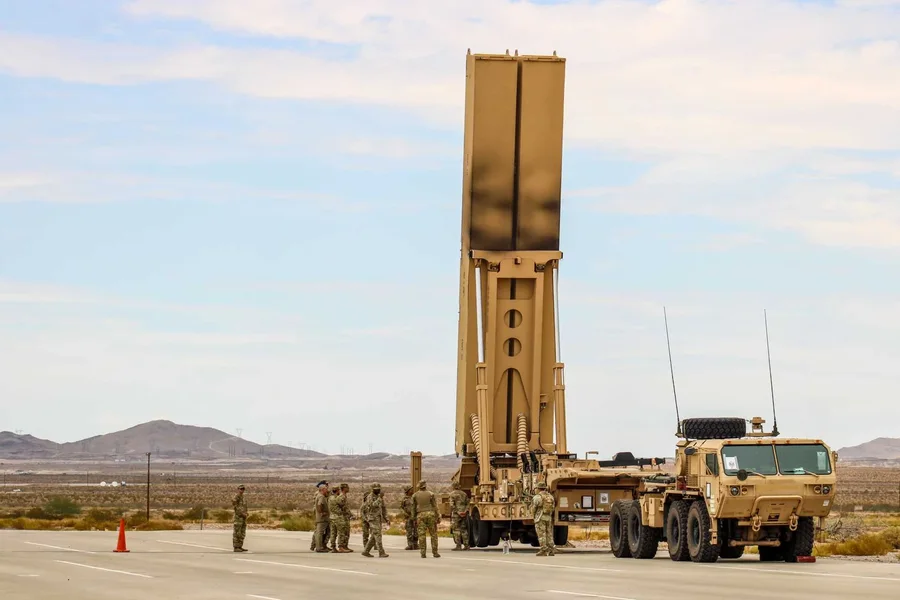
Their operational use has demonstrated Moscow's intent to keep NATO territory at risk from long distances, targeting logistics centers, command centers, and infrastructure deep behind the front lines...
US Army Major General John Rafferty has warned NATO countries to take measures and prevent large-scale conflict with an aggressive Russia.
Rafferty, who has led the 56th Artillery Command, United States Army Europe-Africa, stated in an interview at a US military base in Wiesbaden, Germany, that NATO must urgently expand its arsenal of long-range missiles to deter an increasingly aggressive Russian Federation.
Rafferty warned that Russia is accelerating the production of advanced long-range weapons, a development that could seriously undermine NATO's ability to prevent large-scale conflict in Europe if the alliance does not respond with the same urgency and capability.
US Army General Rafferty, who previously led the integration of the US Army's long-range fires in Europe, noted that the Russian military has demonstrated an increasing reliance on precision deep strike systems, particularly in its campaign in Ukraine.
These include the short-range Iskander-M ballistic missile, the 9M729 ground-launched cruise missile, and long-range air- and sea-launched systems such as the Kalibr and Kh-101 cruise missiles.
Their operational use has demonstrated Moscow’s intent to keep NATO territory at risk from long distances, targeting logistics centers, command centers, and infrastructure deep behind the front lines. In response, Rafferty argued that NATO must drastically increase both the quantity and capability of its long-range fires.
He further highlighted the current gap in NATO's deterrence posture, explaining that many alliance members still rely primarily on short-range systems and air-delivered munitions, which may not be viable in a high-intensity conflict where air superiority is contested.
To restore balance, NATO must accelerate production of systems such as the US Precision Strike Missile (PrSM), ground-launched cruise missiles and emerging European alternatives. Equally important, Rafferty stressed, is the need for a unified alliance approach to defence industrial mobilisation, where nations collaborate to improve production, logistics and deployment timelines.
Një zhvillim i madh që mbështet këtë ndryshim strategjik është avancimi i Armës Hipersonike me Rreze të Gjatë (LRHË) të Ushtrisë Amerikane, me nofkën Dark Eagle.
Sipas informacioneve, programi Dark Eagle po përparon vazhdimisht drejt zgjerimit të vendosjes operacionale. Sistemi hipersonik, i aftë të ofrojë automjete rrëshqitëse me shpejtësi që tejkalojnë Mach 5, është vendosur tashmë në rajonin Indo-Paqësor dhe shihet si një gur themeli i parandalimit me rreze të gjatë në të ardhmen. Ushtria Amerikane konfirmoi se një bateri e dytë e sistemit Dark Eagle është planifikuar të vendoset në tremujorin e katërt të Vitit Fiskal 2026, në përputhje me strategjinë e e hartuar për të përshpejtuar ofrimin e aftësive të betejës me përparësi të lartë.
Arma Hipersonike me Rreze të Gjatë është një nga aftësitë më të përparuara të goditjes me bazë tokësore të zhvilluara nga Ushtria Amerikane. Shpejtësia e lartë dhe rruga e fluturimit e paparashikueshme e bëjnë jashtëzakonisht të vështirë për sistemet e mbrojtjes ajrore të armikut që ta kapin. LRHË është projektuar për të goditur objektiva me precizion të lartë dhe të ndjeshme ndaj kohës në distanca që tejkalojnë 2,775 kilometra, duke i dhënë Ushtrisë Amerikane dhe forcave aleate një aftësi të pashembullt goditjeje të thellë.
Çdo bateri LRHË përfshin katër lëshues transportues, secili prej të cilëve mban dy raketa hipersonike në bombola lëshimi, një qendër operacionesh të baterive mobile dhe automjete mbështetëse dhe komanduese përkatëse.
Rusia sot zotëron një nga arsenalet më të gjera dhe operativisht aktive të raketave me rreze të gjatë veprimi në botë.
Ndër sistemet e saj kryesore tokësore është raketa balistike me rreze të shkurtër veprimi Iskander-M, me një rreze veprimi të raportuar deri në 500 kilometra. Ajo ka dy aftësi dhe është përdorur gjerësisht në Ukrainë për të synuar infrastrukturën ushtarake dhe civile. Përveç Iskander, Rusia ka vendosur raketën lundruese 9M729, e njohur edhe me përcaktimin e saj të NATO-s SSC-8, e cila ishte një çështje qendrore në rënien e Traktatit të Forcave Bërthamore me Rreze të Mesme Veprimi (INF).
9M729 ka një rreze veprimi të vlerësuar prej mbi 2,000 kilometrash dhe lëshohet nga platforma tokësore të lëvizshme, duke i dhënë asaj shtrirje strategjike në të gjithë kontinentin evropian.
Nga ajri, Rusia operon raketat ajrore Kh-101 dhe Kh-555 , të dyja të afta për rreze veprimi që tejkalon 2,500 kilometra. Këto raketa zakonisht vendosen nga bombarduesit strategjikë Tu-95MS dhe Tu-160 dhe përdoren rregullisht në sulme të thella në territorin ukrainas.
The Kh-101 is equipped with advanced guidance systems, low radar cross-section, and a conventional or nuclear warhead, making it a powerful strategic weapon. Russia's Kh-47M2 Kinzhal missile, an air-launched ballistic missile said to be capable of reaching hypersonic speeds, has also been used in recent operations. Launched from MiG-31K aircraft, the Kinzhal has an estimated range of 1,500 to 2,000 kilometers and can carry high-explosive or nuclear warheads.
Russia's naval forces deploy Kalibr cruise missiles on surface ships and submarines, with ranges between 1,500 and 2,500 kilometers. These missiles are launched from warships in the Black Sea and Caspian Sea, hitting deep-sea targets with considerable accuracy. In addition, Russia is advancing the deployment of its Tsirkon hypersonic missile, designed for both naval and land attack roles.
The Tsirkon is expected to reach speeds of Mach 8 and hit targets up to 1,000 kilometers away, with sea trials reportedly completed on the frigate Admiral Gorshkov.
This growing inventory of long-range land-, air-, and sea-based missile systems provides the Russian Armed Forces with a layered and flexible strike capability, capable of bypassing or defeating traditional Western defenses.
The ongoing modernization and expansion of these systems underscores General Rafferty's warning that NATO must adapt quickly to maintain the credibility of deterrence.
As Russia increases its arsenal of long-range missiles, the alliance is under increasing pressure to respond with both technological innovation and industrial speed. General Rafferty's call for NATO to build and deploy more long-range missiles is not just a recommendation, but a warning that future security in Europe may depend on the alliance's ability to strike first, fast, and far. / Adapted from Pamphlet by armyrecognition /








Lini një Përgjigje