


 Shkruar nga Pamfleti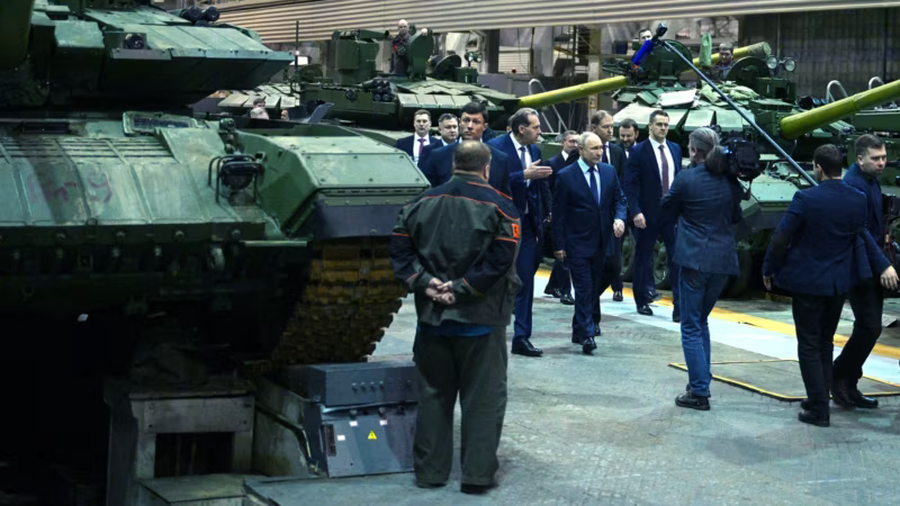
NATO's Joint Support and Enablement Command, an alliance command center in the southern German city of Ulm, is drawing up plans for how NATO military forces will be deployed around Europe and supported and reinforced in the event of a conflict with Russia.
New assessments of Russia's military capabilities and threats to NATO security have led to a growing chorus of warnings from Western governments and pressure to invest more in defense.
The warning comes ahead of the Munich Security Conference, which began on Friday, the annual gathering of security, military and intelligence officials and experts that provides a snapshot of the global defense picture at a time of record volatility.
One reason for Western officials' alarm is Russia's revival of its industrial defense machine over the past year, which has developed at a speed many in the West thought impossible.
Russia produced 4 million artillery shells and several hundred tanks last year. It will recruit another 400,000 men this year without resorting to full-scale mobilization, Ukrainian officials predict.
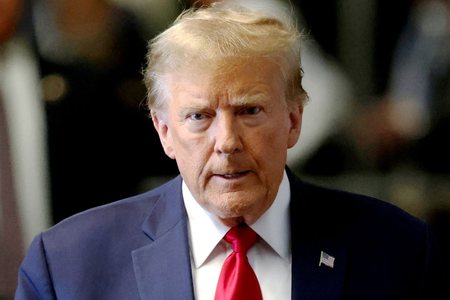
At the same time, the future of NATO itself has been called into question by the prospect of Donald Trump's return to the White House. Trump last weekend said he would "encourage" Russia to attack any NATO member that failed to meet the alliance's defense spending target of 2 percent of gross domestic product.
NATO's European member states have increased their defense spending by about a third over the past decade, with some countries increasing their spending significantly since Russia's full-scale invasion of Ukraine in February 2022.
While the Russian military is heavily deployed in Ukraine and has suffered heavy losses during the two years of conflict, most Western officials expect it to be able to rebuild its forces within five to six years.
" We know that adversaries are always looking for new ways to wage war. That's why we have to be in our position. That's why we have to be ready ," the defense secretary told reporters on Thursday. of the United Kingdom, Grant Shapps.
Other Western defense officials in recent weeks have issued an unprecedented number of public warnings about the possibility of a wider conflict in Europe with a more confident and rearmed Russia.
Danish Defense Minister Troels Lund Poulsen said last week that Russia could test NATO's mutual defense clause "within a period of three to five years".
This followed similar warnings from colleagues from Sweden, the UK, Romania, Germany and senior NATO officials since the start of the year.
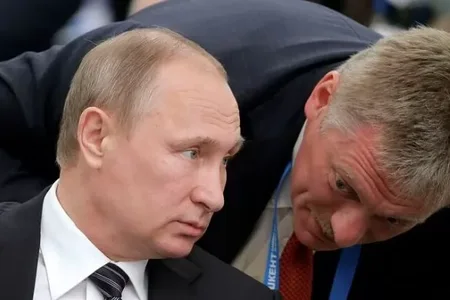
" We will have to get used to the idea that it is realistic for Russian President Vladimir Putin to attack a NATO country within 5-8 years ," said Marie-Agnes Strack-Zimmermann, Bundestag defense chair.
" Man is ruled by a kind of imperialism that we never thought could exist in the 21st century. It is a credible threat and we must be prepared for it. I don't think such predictions are fantasy. . . We don't have the luxury of thinking that Russia will stop in Ukraine ," a senior NATO diplomat said of warnings of a possible Russian attack on a member of the alliance.
A senior European official went so far as to say that Russia's "intent and ability" to attack a NATO country before the end of the decade was "a lack of consensus" within the US-led military alliance.
Officials said one reason for the dire warnings was to prepare societies for the potential danger and to ensure that civil infrastructure was ready for possible consequences.
This includes ensuring that national energy supplies and reserves are sufficiently resilient, that communications networks are secure and can function properly in the event of war, and that critical infrastructure, including roads and railways, can handle the large amount of military equipment that would need to be transported across Europe.
NATO's Joint Support and Enablement Command, an alliance command center in the southern German city of Ulm, is drawing up plans for how NATO military forces will be deployed around Europe and supported and reinforced in the event of a conflict with Russia.
This process will build on lessons learned from the ongoing Steadfast Defender exercise, which simulates a large-scale conflict with an enemy in NATO's east, the largest such war games in the alliance's history since Cold War.
Admiral Rob Bauer, who chairs the NATO committee that advises the alliance's military strategy, said the exercise was about "preparing for a conflict with Russia".
Such warnings were not an attempt to incite panic, the top British intelligence official said. The warnings, he said, are so that we have foresight and are warned because there is often a very short period between being warned and being in crisis.
A senior Ukrainian official said Kiev had "solid intelligence" that Putin was preparing for war against the Baltic states.
Putin has said the collapse of the Soviet Union was the greatest geopolitical catastrophe of the 20th century and has made repeated statements about Moscow's desire to protect Russian-speaking populations outside its borders. This argument was one of many deployed by the Kremlin to support its war against Ukraine.
Estonia's foreign intelligence service said this week that Russia intends to double the number of troops stationed along its border with the Baltic states and Finland, a move that could foreshadow a potential military conflict with NATO within the next decade. / Adapted "Pamphlet" from "Financial Times"




Lini një Përgjigje