


 Shkruar nga David Corn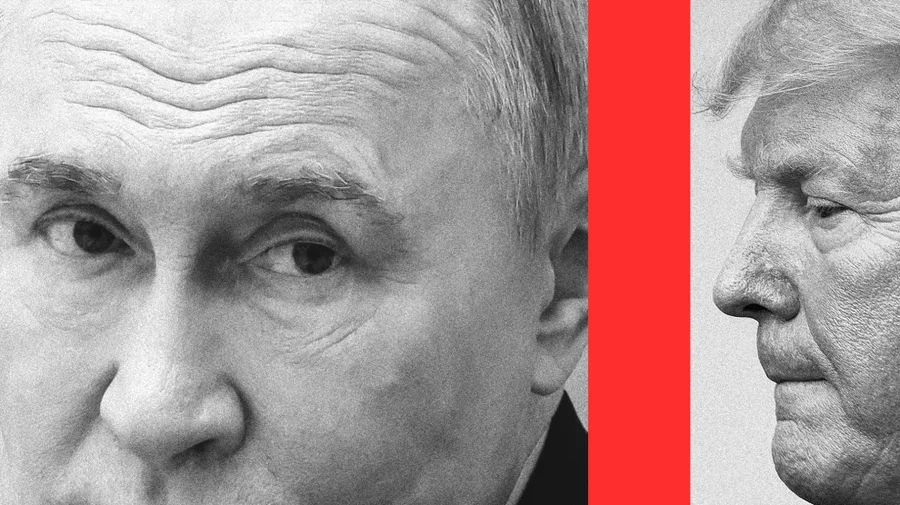
The US president aided and abetted the Russian leader's attack on America...
Donald Trump caused another social media outcry when he posted on Truth Social: "What Vladimir Putin doesn't understand is that if it weren't for me, a lot of really bad things would have already happened to Russia, and I mean really bad. He's playing with fire!"
Apparently, there is clear evidence here that Trump has long been on good terms with and has been protecting the tyrannical Russian leader and war criminal. Of course, there are no details.
Trump was reacting to Russia's latest escalation of deadly drone and missile attacks on Ukraine - the largest bombing campaign of the war targeting Ukrainian cities. The attacks marked the first time since Putin invaded Ukraine more than three years ago that Moscow has drawn criticism from Trump.
Two days earlier, he had expressed a similar sentiment, stating: "I have always had a very good relationship with Vladimir Putin of Russia." But in this post he complained that Putin "has gone completely crazy!" and is "needlessly killing many people... for no reason." He declared that if Putin wants "all of Ukraine" it "will lead to the downfall of Russia!"
Did these messages signal any kind of change for Trump?
Trump could just as easily have written a tweet in the middle of the night inviting Putin to his big, beautiful military parade in Washington, D.C. But these tweets have brought the strange relationship between Trump and Putin back into the spotlight, and any such assessment must include a fundamental fact that has been forgotten and largely absent from the national political conversation: Trump initially won the presidency in part because Putin secretly attacked the 2016 election.
Since returning to the Oval Office, Trump has generally acted in line with his early affinity for Putin. He insulted and threatened Ukrainian President Volodymyr Zelensky, blaming him for the Russia-Ukraine war that Putin started, and he repeatedly expressed sympathy and support for Putin, even as Russian forces bombed civilian targets and continued to kidnap thousands of Ukrainian children. It seems pretty clear that Trump wanted the war to end not because he was outraged by Putin’s vicious and vicious assault on democracy and decency, but so that he would be free to work with the Russian autocrat he has expressed admiration for for more than a decade.
In 2013, when Trump announced that he would host his own Miss Universe pageant in Moscow — a venture from which he would earn several million dollars thanks to the fact that the event would be supported by an oligarch friendly to Putin — he asked, via a Twitter post, if Putin, who at that moment was tightening his repressive behavior, would "become my new best friend?"
While in Moscow for the beauty pageant, Trump, who had long pursued deals in Russia (and who had siphoned off Russian money for his various business ventures), was obsessed with meeting Putin. There was no one-on-one meeting. In the years that followed, he often praised him and periodically sought to build a Trump Tower in Moscow — a project he secretly pursued while running for president in 2016. (His personal lawyer, Michael Cohen, even sought help from Putin’s office on the deal, which ultimately fell through.)
Trump has long desired an open brotherhood with Putin — perhaps like the lucrative relationships he has forged with the leaders of Saudi Arabia, Qatar and elsewhere. But that desire has been thwarted by the war in Ukraine and complicated by an inconvenient fact: Trump would not have reached the White House without Putin’s help.
For nine years, Trump has done a masterful job of suppressing what was perhaps the most important story of the 2016 race: that Moscow hacked the U.S. election to help Trump, and that Trump and his team aided and abetted that hack by denying it was happening. With his relentless complaints about “Russia,” “Russia’s deception,” and “witch hunts”—propaganda enthusiastically embraced and loudly amplified by right-wing media outlets and Republican Party leaders—Trump has essentially erased from public discourse Putin’s successful subversion of the U.S. election and Trump’s own treasonous complicity.
There have been many official reports and many media reports on this issue. But you only need to look at a 966-page bipartisan report released by the Senate Intelligence Committee in 2020, when it was chaired by none other than Sen. Marco Rubio (R-Fla.), now Trump’s secretary of state and national security adviser, to create a clear picture of what had happened four years earlier:
The committee found that Russian President Vladimir Putin ordered the Russian effort to hack computer networks and accounts associated with the Democratic Party and to reveal information damaging to Hillary Clinton and her presidential campaign. Moscow's goal was to damage the Clinton campaign, tarnish a presidential administration expected by Clinton, aid the Trump campaign after Trump became the presumptive Republican nominee, and undermine the U.S. democratic process.
Nuk ka asgjë të paqartë aty. As nuk kishte ndonjë pasiguri në raport nëse Trump dhe fushata e tij përfituan nga operacioni klandestin i Putinit dhe, më keq akoma, e ndihmuan atë duke pretenduar se nuk ekzistonte - domethënë, duke përsëritur mohimet e Putinit dhe duke mbështetur mbulimin e Moskës.
Ndërsa inteligjenca ruse dhe WikiLeaks po publikonin dokumente të hakuara, stafi i fushatës së Trump u përpoq të maksimizonte ndikimin e këtyre rrjedhjeve të informacionit për të ndihmuar perspektivat zgjedhore të Trump.
Stafi i fushatës së Trump kërkoi njoftim paraprak në lidhje me publikimet e WikiLeaks, krijoi strategji mesazhesh për të promovuar dhe ndarë materialet në pritje dhe pas publikimit të tyre, dhe inkurajoi rrjedhje të mëtejshme të informacionit. Fushata Trump minoi publikisht atribuimin e fushatës së hakimit dhe rrjedhjes së informacionit Rusisë dhe ishte indiferente nëse ajo dhe WikiLeaks po çonin përpara një përpjekje ruse për ndërhyrje në zgjedhje.
Nëse ka pasur ndonjë bashkëpunim të fshehtë—dhe raporti i Komitetit të Inteligjencës së Senatit zbuloi se Paul Manafort, kryetari i fushatës së Trump, u takua fshehurazi gjatë garës me një oficer të inteligjencës ruse i cili mund të ketë qenë i përfshirë në operacionin që synonte zgjedhjet amerikane—Trump, të paktën, po ndihmonte një kundërshtar të huaj ndërsa ai planifikonte të sabotonte zgjedhjet amerikane.
Sulmi rus në vitin 2016 përfshinte disa komponentë, duke përfshirë përmbytjen e mediave sociale me mesazhe që synonin të përkeqësonin mosmarrëveshjet politike dhe të mbështesnin Trumpin. Ajo që ka të ngjarë të ketë pasur ndikimin më të madh në garë ishte operacioni i hakimit dhe publikimit, në të cilin luftëtarët kibernetikë rusë vodhën email-e dhe dokumente politikisht të ndjeshme dhe herë pas here të sikletshme nga John Podesta, kryetar i fushatës së Hillary Clinton, dhe ia kaluan ato WikiLeaks, i cili më pas i publikoi ato gjatë javëve të fundit të fushatës, duke krijuar një rrjedhë të vazhdueshme lajmesh negative që e rënduan përpjekjen e Clinton në fazën e parë.
Duke pasur parasysh se sa i ngushtë ishte rezultati i zgjedhjeve në vitin 2016, një numër ngjarjesh mund të konsiderohen vendimtare - siç është ringjallja në minutën e fundit nga drejtori i atëhershëm i FBI-së, Jim Comey, i hetimit për mënyrën se si Clinton i trajtoi emailet zyrtare kur ajo ishte sekretare shteti. Por kjo listë përfshin sulmin rus. Pa të, Trump mund të mos kishte fituar me një diferencë të ngushtë. Vendi nuk do ta dijë kurrë me siguri, por Putin mori atë që donte: Trumpin në pushtet.
Që atëherë, Trump ka bërtitur me zë të lartë dhe në mënyrë të përsëritur se nuk ka pasur asnjë operacion rus që e ka ndihmuar të hyjë në Shtëpinë e Bardhë - dhe ai ka shmangur përgjegjësinë për aktin e tij të tradhtisë. Ai ka shkuar aq larg sa të thotë se i beson pretendimeve të rreme të Putinit për pafajësi dhe të hedhë poshtë gjetjet e komunitetit të inteligjencës amerikane, të cilat arritën në përfundimin se Moska e ndërmori këtë sulm ndaj demokracisë amerikane për të përmirësuar shanset e Trump.
Për më tepër, Trump është ankuar se si ai ashtu edhe Putini janë viktimizuar nga hetimet e ndryshme Trump-Rusi.
Gjatë takimit të tij famëkeq në Zyrën Ovale me Zelenskyy më 28 shkurt, Trump shfaqi simpati për Putinin, duke sugjeruar se udhëheqësi rus ishte njollosur padrejtësisht nga këto hetime: “më lejoni t'ju them: Putini kaloi nëpër shumë vështirësi me mua. Ai kaloi nëpër një gjueti shtrigash të rreme ku ata e përdorën atë dhe 'Rusinë'. A keni dëgjuar ndonjëherë për atë marrëveshje?”
Trump po i zbulonte publikut se kishte një lidhje të fuqishme me Putinin, duke këmbëngulur se si ai ashtu edhe diktatori rus ishin sulmuar me akuza të rreme. Ishte një moment absurd. Faktet janë vërtetuar prej kohësh: Putini përmbysi zgjedhjet në SHBA dhe ndihmoi Trumpin, dhe Trump mbështeti dhe përcolli mohimet e rreme të Putinit.
A po e thotë Trump këtë për të shprehur miqësi me këtë luftëdashës despotik, nga një ndjenjë besnikërie ndaj tij apo mirënjohjeje?
A ka Putini ndonjë ndikim mbi të? Apo e ka gënjyer veten duke besuar se Putini nuk ndërhyri në zgjedhje në mënyrë që ta konsiderojë fitoren e tij si të panjollosur?
Apo po luante thjesht rolin e një idioti të dobishëm?
Sido që të jetë, Trump po shprehte solidaritet të sinqertë me një autoritar që ka kryer krime lufte. Nuk është çudi, ai po na tregonte se ajo që kishte më shumë rëndësi për të në lidhje me Putinin nuk ishte lufta e tij e pamëshirshme në Ukrainë apo qeverisja e tij totalitare e Rusisë, por gjendja e tyre e përbashkët e vështirë për shkak të "Rusisë, Rusisë, Rusisë".
Kjo deklaratë tregoi se diçka unike dhe e çuditshme në lidhje me marrëdhënien e Trump me Putinin mbetet. Nuk dihet se si kjo do të ndikojë në mënyrën se si Trump do të trajtojë zhvillimet e fundit në Ukrainë dhe si do t'i përgjigjet kokëfortësisë dhe dhunës së tmerrshme të Putinit.
Deri në momentin e shkrimit të këtij artikulli, Trump është ankuar për bombardimet e fundit të Putinit. Por ai ende nuk ka ndërmarrë asnjë hap për të ndëshkuar më tej Rusinë. Të mërkurën, ai minimizoi mundësinë e vendosjes së sanksioneve ndaj Moskës, duke thënë: "nëse mendoj se jam afër arritjes së një marrëveshjeje, nuk dua ta prish duke vepruar kështu."
As Trump seeks to impose autocratic and corrupt rule on the United States, his relationship with Putin is likely to be complex and, perhaps, messy. He hates Zelensky. He admires Putin. He wants the war to end. He promised he could make it happen in 24 hours. He doesn’t know what to do, and Putin, still intent on crushing a democratic Ukraine, isn’t helping. The known history between the two — and there may be important aspects that are unknown — is complicated and still enigmatic. But as pundits, politicians, and voters assess how Trump is doing with all this, they should keep in mind that he is sitting in the White House in part because of Putin’s meddling.
This is the original sin of the Trump presidency, and many in Ukraine and America are suffering its consequences. /Adapted from Pamphlet by Mother Jones/


Lini një Përgjigje