


 Shkruar nga Walter Veltroni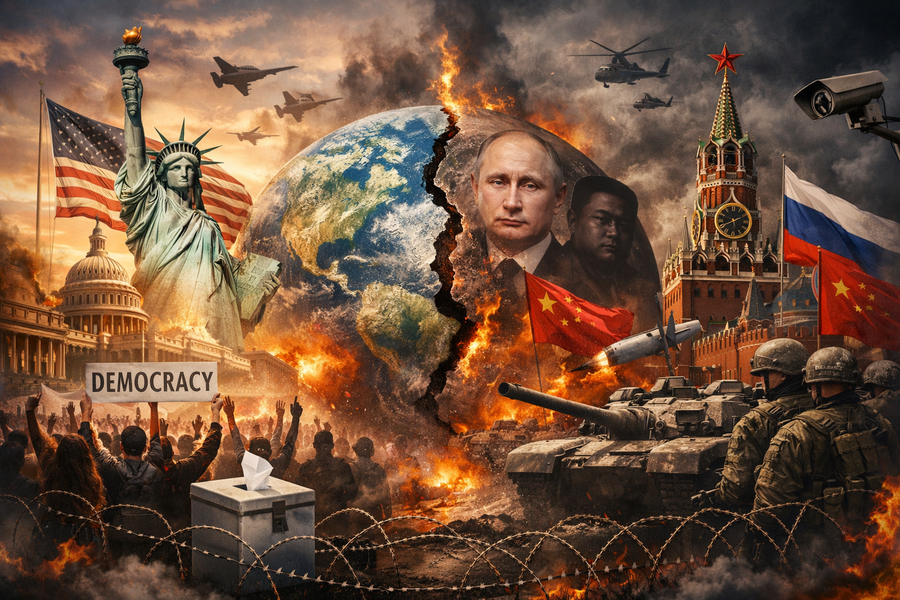
There are currently 88 democracies and 91 autocracies...
One battle after another, the world is sliding towards a very dangerous spiral: the absolute dominance of force over politics, of war over dialogue, of delirium over reason. And, what is most frightening, of autocracies over democracies. Some 72% of the world's population, three out of four people, now live under an autocratic regime. This is the highest level recorded since 1978.
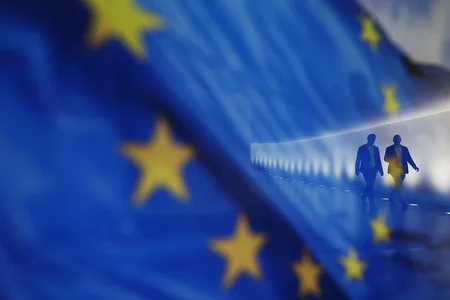
The “State of Democracy Report,” published by the V-Dem Institute for Studies, makes it clear that there are currently 88 democracies and 91 autocracies, and that liberal democracies have become the least widespread regime type in the world, with a total of 29 in 2024, representing only eight percent of the population.
The next report will be published in a few days. There is reason to fear that the percentage of the population living in liberal democracies will decrease even further. For the historical novelty of this quarter century, the first of a new millennium, is that the United States itself seems to be sliding, rapidly, toward an autocracy.
We are getting used to something we shouldn't get used to, and this is a dangerous evil. To the extent that democratic governments, including ours, do not have the strength to oppose, criticize, or simply distance themselves from unacceptable deviations, from words, behaviors, and decisions that clearly contradict the very nature of the word democracy. And that are contributing to pushing the world towards the abyss of a war that Federico Fubini has rightly defined in these pages as a global conflict. On the other hand, that change of the Pentagon's name to "Ministry of War" should have made clear the direction in which things were moving, just like the violent action of ICE or the red carpet rolled out for Putin.
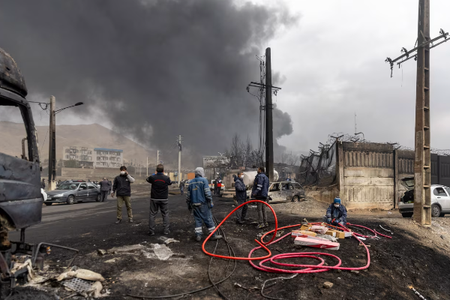
The words of Defense Minister Crosetto, who described the attack on Iran as a "violation of the rules of international law," contain a clear judgment that provides a key to interpreting the behavior of the American presidency in Venezuela or, if we are to believe Trump's announcements, in Greenland, Canada, Cuba, and who knows where else.
But these rules, the fruit of the painful journey of the 20th century, are the guarantee of peace. If they are overthrown and replaced by the logic of the strongest, what we will know will be chaos, a terrifying arms race and, this may be the paradoxical result of the Iranian issue, a new season of nuclear proliferation that may be considered by rising nationalist autocracies as the only valid form of deterrence.
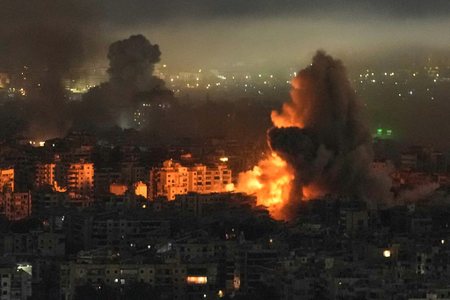
The objective of this war is not clear. There is also the fear that this inferno may have been ignited by miserable considerations of domestic politics. But the general aim seems obvious: to build a new international order based on the dominance of military power, on the logic of exploitation — yes, imperialist — of the raw materials of the producing countries, and on the transformation of national sovereignty, a paradoxical thesis for nationalists, into a simple concession.
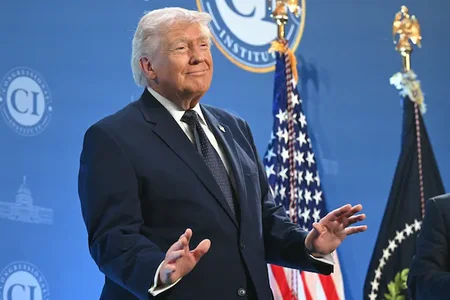
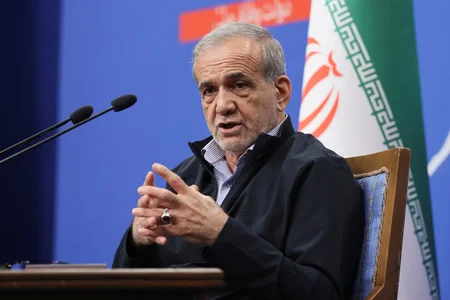
Trump's statement about the necessary approval he must give to the new Iranian leadership is a pale version of the declared intention to overthrow that tyrannical regime that has been the protagonist of harsh repressions and the removal of fundamental freedoms. In Tehran, there were no popular uprisings as predicted, because that regime of terror continues to operate and because that military arsenal, already declared destroyed after the military actions of June 12, nevertheless continues to function. All Trump needs, as in Venezuela, is someone capable of better negotiating with the United States on oil. As Michele Serra says, the Americans seem lucky: wherever they go to export democracy, they find oil.
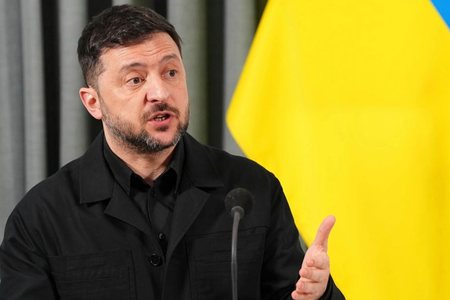
This new principle of chaos risks being applied to Russia with Ukraine or China with Taiwan and to many other regional crises that could ignite the world. Nationalism and populism have always produced restrictions on freedom and wars. Many nationalists were also the soldiers with the Nazi cross who occupied Italy during the world war that they themselves had caused.
Trump is at the lowest levels of popularity in the United States and in Italy. Aligning with his policy, with the dramatic deviation that this totalitarian, infantile and egocentric policy can produce, is a very high risk for this government and, above all, for this country, which already in these hours, by paying the electricity bill or buying gasoline, is paying the consequences of the new doctrine of the world order: chaos.
It would be enough for the government to make Crosetto's final words and the judgment given to Trump, in the pages of this newspaper, not by Bernie Sanders, but by Marina Berlusconi: "Trump's only rule is to erase all rules. And he calls this freedom... The law of the strongest, imposition, ruthless business... Do we understand that within his country he is trying to dismantle all systems of balance and control? And what about the use of violence against opposition?"
Is it so difficult to pronounce clear words? There are moments in history when you have to be either on the side of democracy or on the side of autocracy. You have to choose. If you don't, in fact, the choice has already been made./ Adapted from "Pamphlet" by "Corriere della Sera"


Lini një Përgjigje