


 Shkruar nga Pamfleti
In one of the wildest weeks in oil market history, Iran's ace in the hole has been the de facto blockade of the strait through which a fifth of the world's oil and liquefied gas normally flows...
A viral Iranian propaganda video, shot in the style of a Lego movie, offered a glimpse this week of how Tehran is claiming victory on one of the key fronts in its war with the United States: the oil market. Seven armed speedboats race toward tankers to stop them from sailing through the Strait of Hormuz. Financiers weep and tremble as oil prices rise. Arabs watch in despair as crude sales plummet.
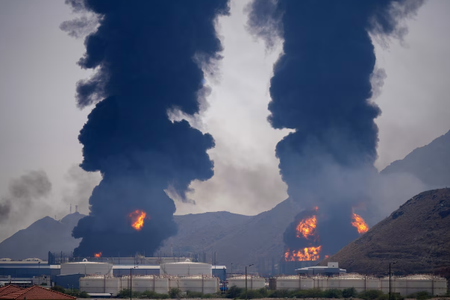
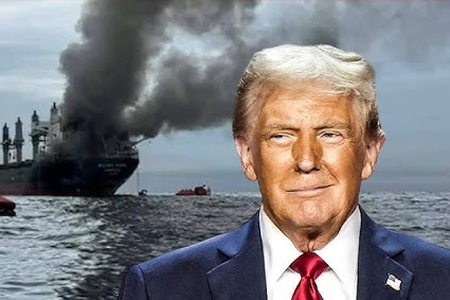
The video footage and real-life fighting, which has closed the strait and set tankers on fire, reveal how soaring oil prices have become one of Iran's most potent weapons in a conflict that has come at a high human cost. For an Iranian regime for which survival means victory, rising oil prices are a key measure of success against a US president determined to keep them low. The price is also affecting how the war is waged, prompting Donald Trump to declare the US effort "pretty much over" as oil neared a four-year high of $120 a barrel.
In one of the wildest weeks in oil market history, Iran’s ace in the hole has been the de facto blockade of the strait through which a fifth of the world’s oil and liquefied gas normally flows. At its narrowest point, the strait is less than 21 nautical miles wide, putting tankers perilously close to drones and missiles from Iran’s southern coastline.
Tehran now has near-total control over the Gulf oil market, forcing neighbors like Iraq to almost completely halt production and blocking about 300 million barrels of oil and gas in the region, a number that is growing by about 20 million every day. As of Friday, prices remained around $100 a barrel, despite Trump and his Western allies announcing the largest-ever release of emergency oil reserves.
With its new supreme leader, Ayatollah Mojtaba Khamenei, declaring his intention to keep the strait closed indefinitely, Iran has upset oil traders who had always assumed that American military might would keep the waterway open. Iran has never blocked the strait before, despite previous threats. Its decision to do so this month, along with attacks on neighboring countries’ energy assets, is a sign of how existential the struggle for the country’s regime has become. In recent days, Tehran has occasionally appeared to be addressing oil traders in Geneva and New York directly, talking about the potential for oil to reach $200 a barrel.
Pressure on the Trump administration has mounted ahead of the midterm elections, in which his Republicans were already facing an “affordability” crisis that is now expected to be further exacerbated by rising gas prices at the pump. The White House, which had pursued a triumphalist approach to a war in which it destroyed Iran’s top leadership on day one, underwent a rapid change in mood Sunday evening as oil prices rose sharply at the market open.
After a weekend of reports that some of the world's biggest producers were being forced to cut output as the Persian Gulf ran out of reserves, oil prices rose sharply in one of the biggest increases ever recorded as the scale of the energy crisis became apparent.
On Sunday evening, US officials backed a meeting of G7 finance ministers for the following morning to discuss the emergency release of oil reserves, a move the White House repeatedly insisted was not on the table last week. An FT report on the change helped calm the market, as did Trump's remarks about the war nearing its end.
At times, the administration has seemed willing to consider almost any means to lower prices, temporarily lifting sanctions on 100 million barrels of blocked Russian oil to facilitate their sale, and promising naval escorts and additional insurance for ships passing through the strait. Members of Congress have floated ideas such as suspending federal taxes on gasoline, easing environmental regulations on the fuel, or temporarily banning U.S. oil exports.
Pyatt, i cili punoi për sigurinë energjetike për administratën Biden, thotë se shumica e sugjerimeve të tilla do të ndihmonin vetëm në margjina. Në vitin 2022, kur çmimet e naftës u rritën për shkak të pushtimit rus të Ukrainës, administrata Biden ishte në gjendje ta menaxhonte situatën me instrumente tradicionale, siç ishte lëshimi i naftës emergjente. Dilema tani është se kjo është në fund të fundit një çështje sigurie dhe është e vështirë të zgjidhet një çështje sigurie me leva financiare.
Ndërsa pritjet për një përfundim të shpejtë të luftimeve zbehen, çmimi i naftës në të ardhmen po rritet. Që nga pasditja e së premtes, një fuçi nafte bruto Brent kushtonte afërsisht 100 dollarë për majin, gati 98 dollarë për qershorin dhe 93 dollarë për korrikun. Vetëm deri në janar të vitit të ardhshëm tregu mendon se nafta do të kthehet në rreth 80 dollarë për fuçi. Tregtarët e naftës madje kanë spekuluar se qeveria amerikane mund të përpiqet të ndërhyjë në tregjet e derivateve për të ulur çmimet.
Një veprim i tillë do të ishte një “katastrofë biblike” nëse investitorët do të humbisnin besimin në tregje për të vendosur çmimin e mallrave të tilla të rëndësishme, thotë Terry Duffy, drejtori ekzekutiv i CME, i cili drejton bursën më të madhe të kontratave të ardhshme të naftës në botë.
Tregu u acarua gjithashtu nga një postim i pasaktë në X nga Chris Wright, sekretari amerikan i energjisë, i cili pretendonte se një eskortë detare kishte shoqëruar me sukses një tanker përmes ngushticës. Çmimet ranë ndjeshëm, vetëm për t'u rikthyer kur postimi u fshi.
Anijet luftarake mund të jenë në gjendje të ofrojnë mbrojtje të kufizuar për një konvoj tankerësh vetëm nëse vihen në shënjestër të dronëve pa pilot të lëshuar në det, dhe ushtria amerikane mund të mos jetë e gatshme të rrezikojë ekspozimin e anijeve të saj luftarake kaq afër territorit armik. Në fund të fundit, e vetmja mënyrë që SHBA-të të ulin çmimet është të gjejnë një mënyrë për të zëvendësuar disa nga humbjet, thotë Ernest Moniz, sekretar i energjisë gjatë administratës Obama.
“Nëse unë jam Chris Wright, duhet të nxjerr naftë, duhet ta sjell në treg. Nëse nuk mund të zëvendësosh 10 milionë fuçi në ditë në treg shumë shpejt, nuk e kuptoj se si mund ta zbutësh paqëndrueshmërinë që po shohim”, tha ai.
Ai argumentoi se problemi i kontrollit të tregut ishte përkeqësuar për shkak se qëllimet e luftës së Izraelit ndryshojnë nga ato të aleatit të tij SHBA, me kryeministrin Benjamin Netanyahu shumë më pak të shqetësuar për çmimin e naftës. "Ajo që është shumë e qartë është se objektivat e Shteteve të Bashkuara dhe të Izraelit nuk janë plotësisht të përafërta", shton Moniz.
Israel’s stance stands in stark contrast to that of the Gulf states embroiled in the conflict. Shaken by the damage to their oil-based economies, they, like Iran, have lamented the economic cost of the war while seeking to end it. Both Qatar and Saudi Arabia have warned of the deepening disaster with each passing day as their oil and gas fields and processing plants are further damaged and take longer to restore to normal. They are also keenly aware that if they are unable to supply the market for an extended period, it will open up political space for more Russian energy to return to global markets.
Gulf states tried to warn the United States about the chaos it would cause by seeking regime change in Tehran before the fighting began, according to several people familiar with the matter. But while there were U.S. efforts to model the consequences, officials believed the campaign against Iran would be brief, perhaps lasting only a week, and that any price increases would be merely a “flash in the pan.” The White House has dismissed the idea that it was caught off guard.
Republicans have rallied around the White House, insisting it was prepared for the fallout. But traders have been confused by the president's mixed messages about how long the conflict will continue and how much he wants to lower prices. The market is fully aware that a return to normality could be months or even years away.
Nor is the decision to end the war solely in the hands of the US and Israel. Roxane Farmafamaian at the UK's Royal United Services Institute, a defence think tank, predicts that the Iranians will continue to keep the strait closed and raise oil and gas prices for a significant period of time.
Further escalation is possible. Yemen’s Houthis, one of the Iran-backed armies, have yet to enter the conflict and disrupt shipping in the Red Sea, through which Saudi Arabia is trying to redirect about 70 percent of its exports, or target the kingdom’s pipelines. Inside Iran, the regime is aware that releasing emergency reserves could cushion the pain for the global economy for a few more weeks, but suggests that it may even emerge stronger from the conflict./ Adapted from “Pamphlet” by “Financial Times”



Lini një Përgjigje