


 Shkruar nga Pamfleti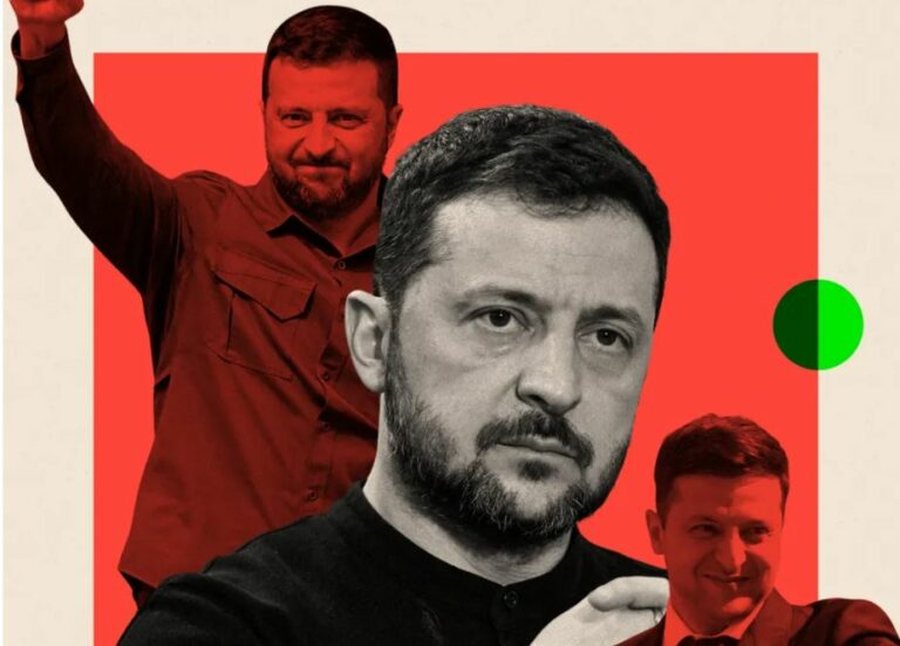
“The best salesman in history.” That’s what Donald Trump once called Volodymyr Zelensky because of the amount of aid the US has given to Ukraine.
Whether it's a fair comparison or not, Zelensky's role in keeping his country in the spotlight and convincing allies to invest has certainly been crucial to the Ukraine war.
His transformation from comedian to wartime president has been a long time coming – dating back to 2022 when he decided to stay in Kiev while Russian troops attacked.
This decision meant that Ukraine would continue to defend itself to this day.
Zelensky now presents a more authoritarian figure, perhaps battle-hardened, shaped in part by his increased isolation on the international stage.
But with the unpredictability of Trump's second term, Zelensky may now have to transform again.
'Very smart and calculated'
Before Trump's second chapter began, the Ukrainian leader had lobbied effectively for Western support. He called for air defenses, tanks, missiles and fighter jets, with nations such as Germany hesitant for fear of escalating the war, before giving in to his demands.
His message was tough, and he was successful in securing support.
“Zelensky was very smart and calculating in the early days of the war,” says Ed Arnold of the defense and security institute, the Royal United Services Institute (Russia).
His decision to go to the Munich security conference two weeks before the invasion, despite being advised that this would be a security risk, was crucial, Mr. Arnold argues.
“This personalized support for Ukraine in the minds of people who participated personally,” he said.
Serhiy Leshchenko, an adviser to Zelensky’s office, explains: “We need to be visible to the world. If public opinion is on Ukraine’s side, there is a better chance of getting help from the international community.”
Leshchenko points to Zelensky's daily video addresses, which he has been creating since the beginning of the occupation. "It's unusual to be so open."
Ukraine's victory in the Battle of Kiev cemented Zelensky as a symbol of the country's survival and increased the chances of continued military assistance from Western allies.
Later in 2022, Zelensky was able to demonstrate the difference military aid was making when parts of Ukrainian territory were liberated, including the city of Kherson. He had initial success with European allies.
“Ato janë investuar personalisht në Zelensky dhe në Ukrainë”, thotë Arnold. “Ai ka kaluar nëpër katër kryeministra të Mbretërisë së Bashkuar që nga fillimi i luftës … dhe ata të gjithë kanë nënshkruar deklarata të reja me Ukrainën, përsëri përmes Zelenskyt.
Ai ka qenë në gjendje të përballojë ndryshimet në politikën kombëtare brenda Evropës gjatë gjithë mandatit të tij.”
Por kur sukseset e mëtejshme nuk u realizuan, mesazhi i Zelensky nuk ndryshoi – dhe me kalimin e kohës, kjo do të ishte në dëm të tij.
Pas kundërsulmimit të dështuar të Ukrainës në verën e vitit 2023 për shembull, meritat e mbështetjes së Kievit u vunë në dyshim gjithnjë e më shumë nga një pakicë me ndikim të republikanëve të SHBA-së dhe lutjet kishin filluar të shpërfilleshin në disa qarqe.
Maria Zolkina, kreu i studimeve të sigurisë rajonale dhe konfliktit në Fondacionin e Iniciativave Demokratike, një institut me bazë në Kiev, beson se Zelensky është pjesërisht përgjegjës.
“Ai dhe rrethi i tij i ngushtë u mbështetën në logjikën se ata duhet të jenë gjithmonë kërkues kur flasin me partnerët e tyre – duke nxitur argumentin se Ukraina thjesht ka nevojë për diçka. Kjo funksionoi vërtet mirë gjatë vitit 2022, por me SHBA-në dhe të tjerët ky lloj mesazhi pushoi së funksionuari në 2023. Diplomacia e tij me të vërtetë nuk u përshtat aq shpejt sa duhet,” argumenton ajo.
“Zelensky nuk ka qenë kurrë diplomat”
Më 27 shtator 2024, në një holl në Nju Jork, gjërat vërtet ndryshuan për Ukrainën. Vetëm forca lëvizëse nuk ishte afrimi i armaturës ruse, por rimishërimi politik i aleatit më të madh të Ukrainës: SHBA-së.
Atë ditë, pak më shumë se një muaj para zgjedhjeve presidenciale në SHBA, Zelensky pati një takim të minutës së fundit me Trump në Kullën Trump.
Tensionet mes dyshes ishin rritur para këtij takimi: Zelensky kishte pohuar disa ditë më parë se Trump “nuk dinte vërtet se si t’i jepte fund luftës”, pasi ai pohoi se mund ta bënte atë brenda “një ditë”. Pas takimit të Trump Tower, të dy burrat dolën jo shumë të lumtur.
Pavarësisht se kishin shpallur një “pikëpamje të përbashkët” për t’i dhënë fund luftës, gjuha e trupit të tyre sugjeronte mungesë kimie.
Dyshja nuk do të takoheshin përsëri deri pesë muaj më vonë në Zyrën Ovale, ku takimi i tyre tashmë i famshëm do të ishte një katastrofë diplomatike për Kievin.
“Zelensky e shihte Trumpin pak a shumë si veten e tij, si një djalë mediatik që u zhvendos në politikë, që ishte kundër establishmentit,” thotë aVadym Prystaiko, i cili ishte i pranishëm kur dyshja u takuan për herë të parë pas fitores së Zelenskit në zgjedhjet e vitit 2019
Prystaiko ishte ambasadori i Ukrainës në Mbretërinë e Bashkuar, përpara se të shkarkohej në vitin 2023. Kievi nuk dha asnjë arsye zyrtare për shkarkimin, por kjo erdhi pasi z. Prystaiko kritikoi përgjigjen e Zelensky ndaj një grindjeje për mirënjohjen për ndihmën ushtarake britanike. Ai tha se kishte pasur “pak sarkazëm” në përgjigjen e presidentit të tij, që ai besonte se ishte “i pashëndetshëm”.
"Zelensky has never been a diplomat. He has never been an ordinary political leader who kisses babies and shakes hands," Mr. Prystaiko adds.
A 'rollercoaster' relationship
“The relationship with Trump is like a rollercoaster,” says Volodymyr Fesenko, director of the Pento Center for Policy Studies. “Sometimes there is constructive cooperation and then, all of a sudden, some kind of crisis appears.”
Then there is their war of words. Trump has blamed Zelensky for starting the war, calling him a “dictator,” while the Ukrainian leader accused his American counterpart of “living in a Russian disinformation space.”
While Fesenko believes that Zelensky is constantly changing tactics to find a working relationship with Washington, Zolkina believes the issues go deeper.
“There is a triangle between the US administration, the Kremlin and Kiev,” she asserts. “Ukraine is considered to be a weaker part of this triangle. For Trump, Zelensky is not in the same league and that is the problem.”
"It's very difficult to bow to Zelensky"
“War changes everyone, it has changed us all in some sense. But I don’t think Zelensky has changed fundamentally – for better or for worse in some cases,” says Olga Onuch, professor of Comparative and Ukrainian Politics at the University of Manchester.
"It's very clear that some actors have decided that it's difficult to negotiate with Zelensky. Why? Because he has red lines that he adheres to."/BBC



Lini një Përgjigje