


 Shkruar nga Pamfleti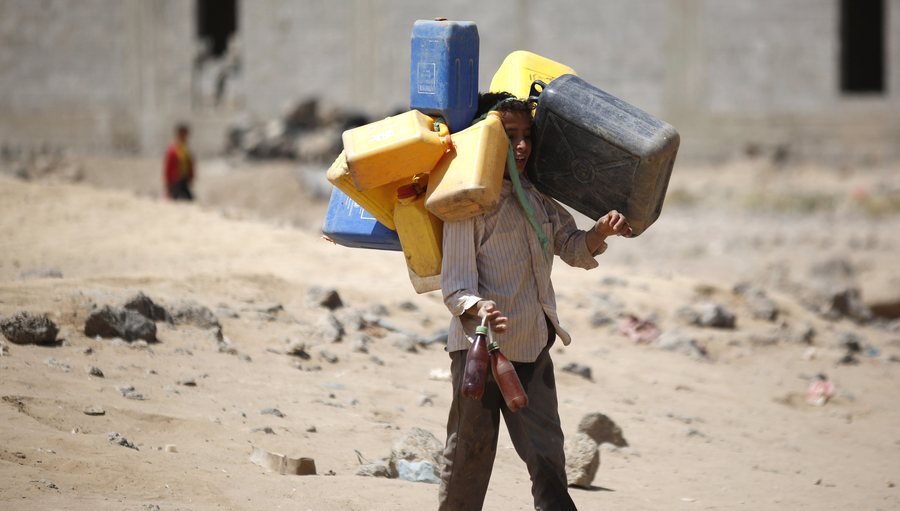
The potential shortage of a vital resource like this would have devastating effects on the affected population, starting with drinking water. From here, agriculture, industry and the economy would reach at least a partial closure, if not total...
Wars, famine, persecution and soon water. The reasons that have caused migratory flows for decades, if not centuries, have always remained the same. However, in the future things will change: the lack of drinking water, the drying up of reservoirs and thus the interruption of any agricultural or industrial activity that could support an economy, even a small local one, are the most worrying threats.
Water shortage
The key word is 'water stress' - which, as explained by the World Resources Institute (WRI), is a term that indicates the relationship between water demand compared to available water. The higher this figure is, the higher the "stress" is, and therefore the closer you are to a critical relationship.
One of the main reasons for increasing water stress is population growth, which undoubtedly increases the need for water. This is joined by another equally important factor: the increase in global temperatures due to climate change, which in the future may cause an increase in dry areas, prolonged periods of drought and therefore greater hardship in easy to find the waterfall.
Risk levels
The levels of risk identified by WRI range from low, i.e. areas where water is scarce and not consumed, to "very high", i.e. where more than 80% of available renewable water is consumed annually. Areas belonging to this category would be the first to suffer the effects of the factors listed above.
According to data from the WRI-Water Risk Atlas, published on August 16, a quarter of the world's population, spread over 25 countries, is annually exposed to very high risks of water stress. Risk rates naturally vary throughout the year, depending on the seasons. Again according to the WRI report, in fact, at least half of the world's population, about 4 billion people, are exposed to this risk at least one month a year. This figure is expected to increase, with data predicting a rise to 60% of the population by 2050.
The WRI analysis considers only surface water, e.g. lakes, rivers and reservoirs that are easily filled by rainfall. Groundwater, on the other hand, is more difficult to measure but also slower to regenerate. The problem lies precisely in this last feature, as reported by the Washington Post. Samantha Kuzma, head of the Water Supply Water Risk Atlas, explains how the lack of data on this type of water reserve is dangerous: "We are not able to identify when this water is in danger of running out."
Aktualisht, vetëm 0,5% e ujit në planet është në dispozicion në formë të lëngshme dhe të pijshme. Pjesa e mbetur gjendet në oqeane, atmosferë dhe akull. Prandaj, dështimi për të parashikuar se sa mund të shfrytëzohet një burim i ujërave nëntokësore, për të mos e varfëruar atë, paraqet një rrezik që duhet marrë parasysh në planifikimin e një reagimi adekuat ndaj një krize të ngjashme.
Rrjedhat migratore
Mungesa e mundshme e një burimi jetik si ky do të kishte efekte shkatërruese për popullsinë e prekur, duke filluar nga uji i pijshëm. Nga këtu, bujqësia , industria dhe ekonomia do të arrinin të paktën një mbyllje të pjesshme, nëse jo totale. Në varësi të nivelit të stresit ujor.
Në varësi të skenarit optimist, realist apo pesimist të analizuar, mund të parashikohen flukset migratore që mund të ndodhin në të ardhmen. Siç shpjegohet gjithmonë nga Washington Post, shumë zona rurale marrin burime ujore nëntokësore, duke mos ditur se sa mund të zgjasin këto, ka shumë të ngjarë që fillimisht të ketë një migrim drejt qendrave më të mëdha urbane, afër burimeve ujore sipërfaqësore. Por nga këtu, në skenarin më të keq, nevoja për të braktisur atë rajon apo edhe atë vend krejtësisht është afër.
Vendet më të prekura
Ndër zonat më të prekura nga stresi i ujit aktualisht janë Turqia, Libani, Siri , Irani dhe Afganistani, si dhe pjesë të Tunizisë dhe Marokut. Zona më e prekur dhe gjithashtu më e populluar është Azia Juglindore, me Indinë ndër vendet kryesore që tashmë po përjetojnë krizën e ujit. Gadishulli i gjerë aziatik aktualisht është shtëpia e 1.4 miliardë njerëzve. Një migrim në kërkim të ujit, edhe në vetëm njëzet vjet, do të ishte praktikisht i pamundur të mbahej.
Italia apo Spanja, por edhe disa shtete amerikane , duke përfshirë Idahon, Koloradon, Kaliforninë, Arizonën, Nebraskën dhe Nju Meksikën kanë në dispozicion burime ekonomike të cilat mund të përdoren për të investuar në emergjencë dhe menaxhim të burimeve ujore. Mundësi që vende si Libani apo Afganistani, ekonomikisht të gjunjëzuar, nuk i kanë.
An uncontrolled flow of migrations, even thinking about an increase in the world population in the future, could cause a real 'water war', a hypothesis that has mainly been followed for years by various experts in the sector. / Adapted "Pamphlet" from "Inside Over"







Lini një Përgjigje