


 Shkruar nga Pamfleti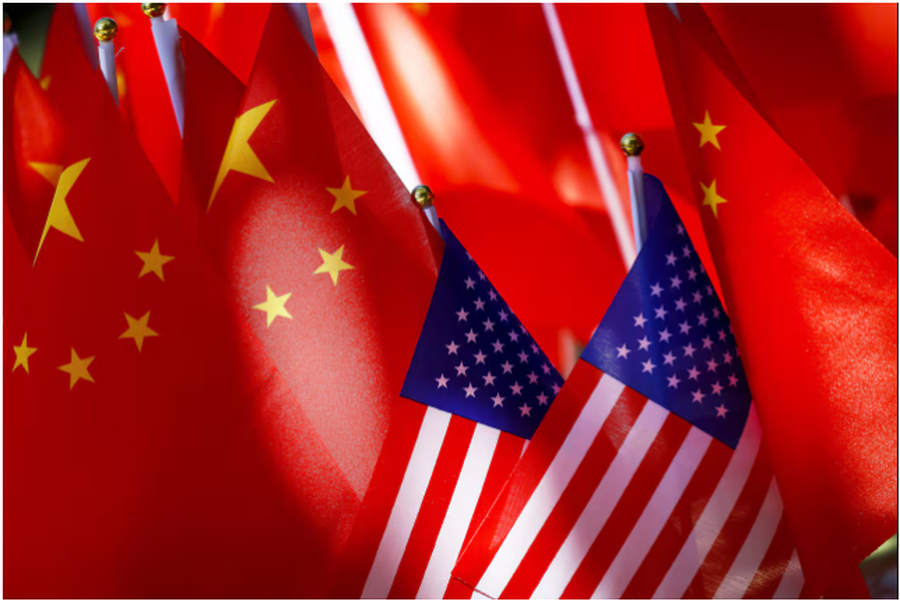
The US government has announced additional tariffs of up to 3521% on solar panels from Southeast Asia. Cambodia, Malaysia, Thailand and Vietnam are affected, the International Trade Administration (ITA), which is part of the US Department of Commerce, said on Monday. The high import tariffs are intended to offset China's support for solar panel production in these countries.
Solar panel companies in Southeast Asian countries had received subsidies from the Chinese government, according to an investigation by the International Trade Commission (ITC) launched in April 2024, the ITA said. The ITC is now expected to determine by June 2 what consequences these subsidies will have for American manufacturers and what tariffs will be paid in the future.
The ITA plans to impose a tariff of 34.41% on solar panels from Malaysia; For solar panels from Cambodia, the additional tariff is expected to be 651.85%.
For products from two Cambodian companies, Hounen Solar and Solar Long PV-Tech, the rate is said to be 3521 percent - 35 times the selling price.
According to Chinese data, panels imported from Southeast Asia by the US were worth almost twelve billion dollars (10.4 billion euros) in 2023. The proposed tariffs would be in addition to the 10 percent rate on almost all imports that has been in effect since April 2. The solar tariffs would also be added to the "reciprocal" tariffs that President Trump has temporarily imposed on imports from the US.
Reaction from Beijing
In a tariff dispute with the United States, the Chinese government has warned other countries not to make trade deals with the administration of US President Donald Trump at China's expense. A Ministry of Commerce spokesman threatened countermeasures on Monday.
Beijing "strongly rejects any party that reaches an agreement at the expense of China's interests," a Ministry of Commerce spokesman said in Beijing on Monday. "If such a situation arises, China will never accept it and will resolutely take countermeasures."
No "softening" policy
“Appeasement” will not “bring peace,” Beijing said. Compromises “will not be respected.” “Where the strong exploit the weak, all countries become victims.”
Appeasement comes from the English verb "appease" which means to calm down. In the context of international relations, the term refers to a policy of restraint or accommodation towards aggressive states – with the aim of preventing war. The term is particularly associated with the policy of British Prime Minister Neville Chamberlain, who ruled from 1937 to 1940, towards Hitler's Germany.
China in Trump's eyes
US President Trump has imposed steep tariffs on imports from other countries in recent weeks. He has taken a particularly tough stance against China, which he sees as his main adversary on trade policy. Beijing has responded with steep counter-tariffs. US tariffs on Chinese imports now stand at 145 per cent, although the US government later lowered the rate on key electronics imports to 20 per cent.
A number of countries are currently negotiating with the United States to lower tariffs, including Canada, the United Kingdom and Vietnam. EU Commission President Ursula von der Leyen is officially negotiating the tariffs with Washington on behalf of EU member states.






Lini një Përgjigje