


 Shkruar nga Miodrag Vllahoviç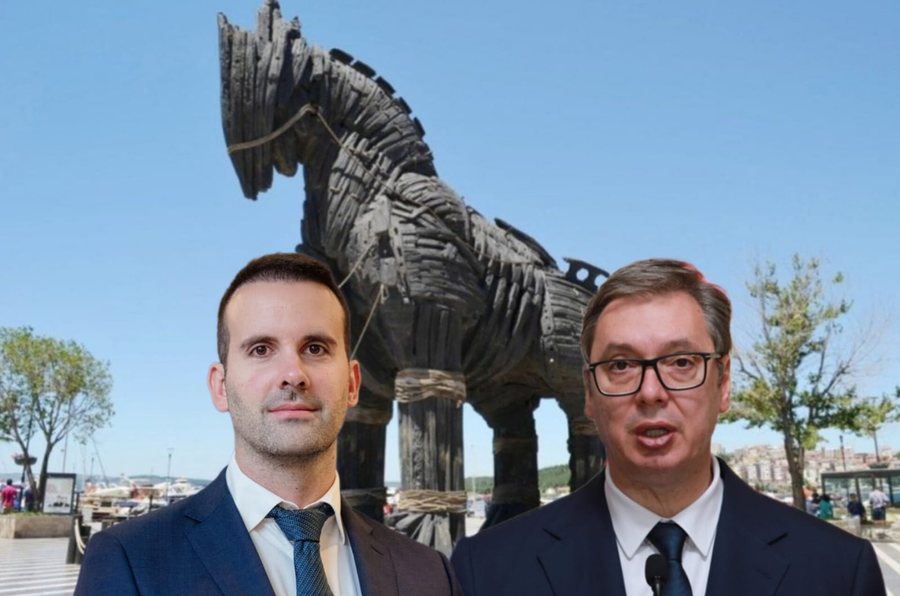
The new government uses European and NATO rhetoric, but their practice and political decisions follow the Belgrade-Moscow example.
Serbian President Aleksandar Vučić must be pleased. Politicians close to him have finally become part of the 44th Government of Montenegro, Serbia's neighbor to the southwest.
Others are not so pleased. The American Embassy in Montenegro has expressed concern that there is a pro-Russian party in the government. The EU mission warns of the obstruction of the European agenda. The new government uses European and NATO rhetoric, but their practice and political decisions follow the Belgrade-Moscow example.
What happened?
A Bosnian party made this ruling coalition possible. She holds six ministerial mandates in Prime Minister Milojko Spajic's cabinet. This is what should make up for joining parties that deny the Srebrenica genocide and treat war criminals Radovan Karadzic and Ratko Mladic as heroes.
The new government has the two-thirds majority (54 out of 81 deputies) needed to approve important legal and constitutional changes. They will want to enable dual citizenship and adopt changes that would eliminate the civic concept of Montenegrin society. Political leaders are now presenting themselves as the "only authentic representatives" of their ethnic group. The dysfunctional Bosnian model of governance, based on the rights of ethnic groups, is the dream of ethnic nationalists in Montenegro.
But this is only one dimension of the new political constellation. The government does not include anyone who identifies as Montenegrin. The shrunken opposition includes civic, European and democratic parties, but US and European diplomats have deemed them not "reformed enough".
What does this mean for Montenegro?
Spajic will allegedly try to implement the official European agenda and Euro-Atlantic policy. He will do this in cooperation with the declared opponents of NATO, the advocates of lifting the sanctions demanded by the EU against Russia and the parties that want to realize Greater Serbia. Mission impossible, but therefore desirable from the commanding heights of Belgrade and Moscow.
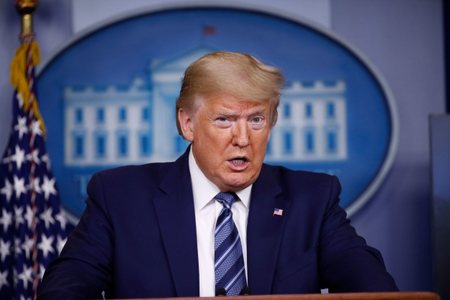
The same parties of the governing coalition, including Prime Minister Spajic himself, naturally see with enthusiasm the possibility of Donald Trump's return to the White House. This shows exactly how little they are oriented towards Europe, which Trump despises.
Soft Western policy towards Serbia has now handed Montenegro over to Moscow. The Biden administration wasted four years pushing the anti-European project known as the "Open Balkans." This has enabled Vučić to intervene not only in Montenegro, but also in Bosnia-Herzegovina and Kosovo, with inevitable negative implications for North Macedonia as well.
Shipments of Serbian arms and ammunition to Ukraine and large contracts for the exploitation of lithium in Serbia have made this possible. They are both an explanation and a verdict. The EU's continued financial support for Serbia, regardless of Belgrade's other behavior, reveals its true intentions, which doom the rest of the Balkans to instability.
What should be done?
Montenegro is on the brink. The Bosnian party is in power with nationalist populists and chauvinists from the Serbo-Russian environment. A coalition of three nationalist parties led the start of the 1992 war in Bosnia. Bosniak leaders joining this coalition will enable threats to Montenegrin sovereignty and independence.
The opposition parties must answer the question of whether this is a "point of no return" for Montenegro. There will be no help from the West. This makes the task of the opposition urgent and dramatic. Montenegro must correct itself now./ Adapted "Pamphlet" from "Peacefare"




Lini një Përgjigje