


 Shkruar nga Pamfleti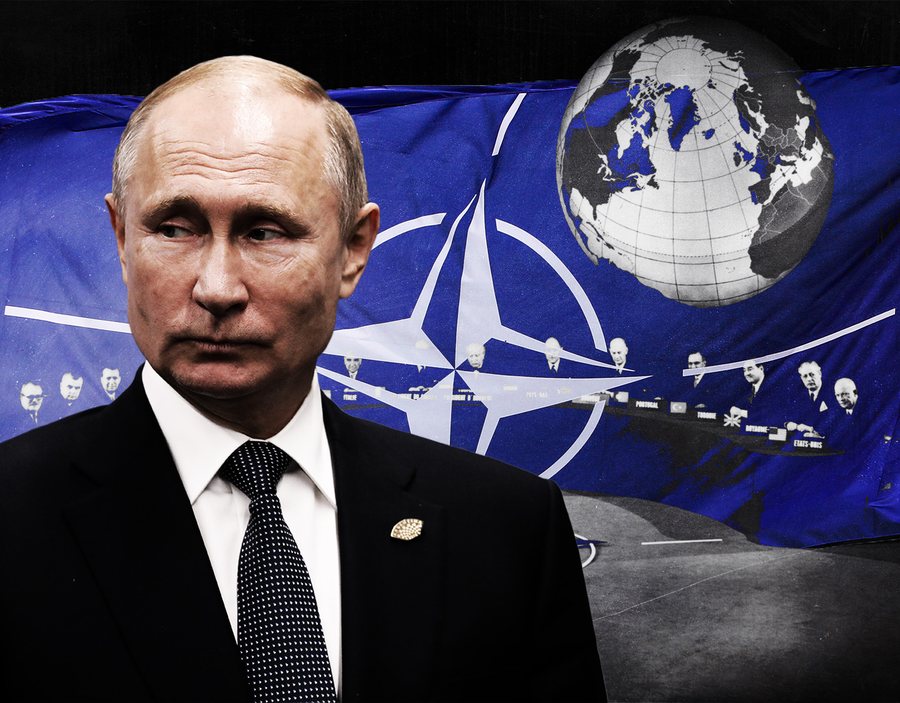
NATO requires its member states to spend at least 2 percent of their GDP on defense, but before this year only a third of countries were meeting this.
NATO is not "ready" to fight Vladimir Putin's Russia without the US, the leaders of the alliance's three frontline states have told The Independent, as they called on allies to drastically increase defense spending.
In the wake of Donald Trump's victory in the US presidential election, the leaders of Latvia, Estonia and Finland have urged the alliance to stop the "endless debate" on how to deal with the looming threat from Russia, saying it is time to strengthen the defense of Europe.
" We are not ready. This is absolutely clear. We can't just keep hoping for a situation where the US remains too involved in Europe ," says Latvian President Edgars Rinkevics.
" We need to increase our defense capabilities because of the threat of Russia and its inability to be a democracy and operate in a rules-based world ," added Estonian Prime Minister Kristen Michal.
The three countries are the only NATO members that border Russia, a border that runs 1,200 miles from the northern tip of Finland to the southeastern corner of Latvia, which also borders Belarus, a Putin vassal state that was used by Moscow as a staging post in the invasion of Ukraine.
Finland, Estonia and Latvia are also among NATO's biggest defense spenders relative to their gross domestic product (GDP).
NATO requires its member states to spend at least 2 percent of their GDP on defense, but before this year only a third of countries were meeting this. That figure has risen to two-thirds of NATO members, but experts still warn that spending is too low. Russia is projected to spend 6.3 percent of its GDP on defense by the first quarter of 2025.
Estonia spends 3.4 percent of its GDP on defense, which is the second highest in the alliance after Poland. Latvia spends 3.15 percent, making it the fourth biggest spender after the US, and Finland spends just over 2.4 percent.
The UK is ninth, spending 2.3 per cent, with the Labor government promising to raise it to 2.5 per cent. But this figure belies the fact that UK defense spending relative to GDP has remained relatively flat since 2014. Estonia, Finland and Latvia have all doubled their spending in that time.
When Finland, along with Sweden, applied to join NATO in May 2022, ending decades of neutrality, it was hailed as a significant boost to the alliance's military capabilities. Their acceptance a year later doubled NATO's border with Russia.
Finland's army is one of the largest in Europe, comprising 280,000 troops that can be mobilized and armed to the teeth within a week. Nearly a fifth of its 5.5 million residents have military training due to the country's national service program.
The country has recently undergone a rapid military buildup, underscoring its concern about the threat posed by Putin's Russia. The amount Helsinki spends on defense each year relative to GDP has increased by nearly 0.9 percent since 2022.
As Russian forces began their full-scale invasion of Ukraine in February 2022, Finland also finalized its largest military spending commitment, buying 64 F-35A fighter jets at an estimated cost of £7.5 billion.
Speaking about Finland's latest military acquisitions, as well as the increase in its forces, Stubb says: " We don't have this because we're worried about Stockholm or London. We have this because we are worried about Moscow ."
The need for Europe to increase its defense investment predates Trump's re-election, but the Republican billionaire's return to the White House has thrown into sharp relief the poorly armed state of many of Europe's NATO members, particularly in the West. , half of the continent.
In early 2024, the soon-to-be 47th US president said he would encourage Russia to "do whatever it wants" to NATO members who do not pay their fair share to the Western military alliance.
That drew criticism for undermining NATO's Article 5, which says an attack on one is an attack on all, but Stubb praised what he described as "pressure" from Trump, although he urged the alliance to focus "more on skills than expenses".
" Everyone needs to correct their defense deficit ," he says, adding that Europe needs to compensate for the Cold War mentality of reducing military capabilities. On the issue of future US involvement in the alliance, he says: " I don't think we can have NATO without the United States ."
Rinkevics says there are ongoing discussions about raising the minimum mandated spending level of NATO members to 2.5 percent. During a meeting of European leaders in the Estonian capital Tallinn in December, the country's defense minister Hanno Pevkur argued that NATO member states should spend up to five percent.
Ndërsa asnjë nga liderët evropianë nuk tha se besonte se Trump do të tërhiqej nga NATO, pavarësisht skepticizmit të tij të gjatë për aleancën, mbizotërojnë shqetësimet se SHBA, veçanërisht nën presidentin e ardhshëm, do të shikojë përfundimisht të zhvendosë vëmendjen te Kina dhe Indo-Paqësori, duke përfshirë mbrojtjen e Tajvanit.
“Armiku ose konkurrenti i tyre numër një është Kina”, thotë Stubb, megjithëse ai shton se beson se zoti Trump megjithatë e kupton rëndësinë e aleancave në luftimin e Pekinit gjithashtu.
Ekspertët kanë vënë në dukje gjithashtu se nëse SHBA do të zhvendosë burimet e saj dhe do të fokusohet shumë shpejt në Indo-Paqësorin pa i dhënë kohë Evropës për t'u bërë më e pavarur, ato mund të tërhiqen përsëri në çështjet e sigurisë evropiane me një shpenzim shumë më të madh.
"Unë mendoj se është në interesin e Shteteve të Bashkuara të qëndrojnë të angazhuar [në Evropë]. Në çdo rast, unë besoj se aleancat e bazuara në vlera zgjasin shumë më gjatë se aleancat e bazuara në interes", thotë Stubb.
Në bazë të nevojës së Evropës për të shpenzuar më shumë për mbrojtjen është mbështetja e saj për Ukrainën në luftën e saj kundër Rusisë. Përveç vënies në pikëpyetje të mbështetjes së SHBA-së në NATO, Trump është zotuar gjithashtu se do t'i japë fund filozofisë mbizotëruese perëndimore të mbështetjes së Kievit derisa ata ta largojnë Rusinë plotësisht nga Ukraina.
Ai ka thënë se vrasja nga të dyja palët duhet të përfundojë menjëherë dhe se ai do të sigurojë përfundimin e luftës brenda 24 orëve nga marrja e detyrës. Shumë kanë frikë se kjo do të përfshijë detyrimin e Ukrainës që t'i dorëzojë Rusisë një pjesë të territorit të saj të pushtuar aktualisht.
Presidenti i Ukrainës Volodymyr Zelensky ka pranuar se ushtrisë së Ukrainës aktualisht i mungon fuqia për të rimarrë territorin e saj nën kontrollin rus, i cili përfshin katër rajone në lindje dhe jug të vendit, si dhe gadishullin e Krimesë në Detin e Zi. Por vendet e vijës së parë të Evropës mbeten të bindur se Putini nuk duhet të shpërblehet për pushtimin e tij dhe se siguria e kontinentit mbështetet në suksesin e Ukrainës.
“Për të qenë shumë i sinqertë, kur Rusia po lufton me Ukrainën dhe Rusia mposhtet në Ukrainë, nuk ka nevojë të pyesim se kush është i radhës. Nëse e lejojmë Rusinë si regjim, si bandit, si ngacmues, të marrë diçka me dhunë dhe pas kësaj, ne themi, po, le të biem dakord që gjysma e asaj që merret është e tyre, atëherë kjo do të ishte një mesazh shumë i keq për të ardhmen e botës demokratike”, thotë Michal.
Por paaftësia e Evropës për të mbrojtur veten, veçanërisht pa SHBA-në, vetëm thekson vështirësinë e saj për të vazhduar mbështetjen ushtarake të Ukrainës.
When Zelensky said that Ukraine lacked the ability to retake territory seized by Russia, it was significant that he suggested that "diplomatic pressure" was the only way to ensure that Putin was not rewarded for the land grab. During a meeting in Brussels last week, Zelensky added that it was "impossible" to talk about a successful end to the fighting if Ukraine only receives European security guarantees. Only assurances backed by the US could be enough to prevent future Russian attacks, he said.
" We are training the Ukrainians together with the Estonians and the Finns, but at this point, the capacity is not enough. I would say that currently one of the issues is not only that many nations are not ready to give Ukraine weapons, it is the industry of defense what it is not able to produce at the necessary level. We can provide Ukraine with what we can, but in many cases, we are already on the edge of what we have ," admits Rinkevics.
A UK government spokesman said: “ NATO is the most successful defense alliance in history and has made a billion people under its umbrella, including the UK, safer and more secure. We already spend 2.3 percent of our GDP on defense and have pledged to increase to 2.5 percent as soon as possible. Our commitment to Ukraine remains ironclad and we will provide them with £3 billion a year of military aid for as long as it is needed. ”/ Adapted “Pamphlet” from “The Independent”


Lini një Përgjigje