


 Shkruar nga Stephen Collinson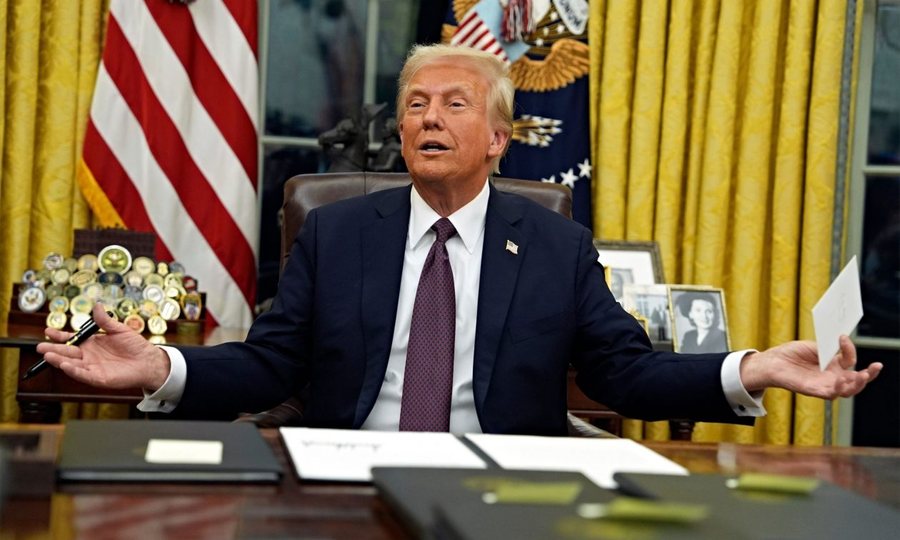
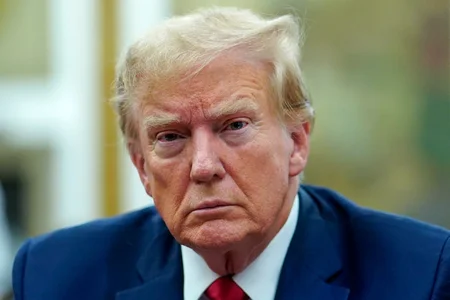
Trump's wild rhetoric and overt belief that he has unlimited power have long led his critics to call him a dictator.
Just three months into his new term, President Donald Trump is escalating a battle against institutions, including: the courts, the legal profession, elite education, and the media.
The administration is projecting presidential authority in a broader and more open way than any modern White House. His questionable statements about judges' decisions are raising alarms about Trump's impact on the rule of law, free speech, and the Constitution.
Trump's hard-line aspirations were revealed in the Oval Office meeting, when Trump sat next to President Nayib Bukele of El Salvador, who bills himself as the "coolest dictator" in the world.
Both presidents publicly refused to release an undocumented migrant who was captured in Maryland and deported to a notorious prison in his native El Salvador without a court hearing and despite a judge's order that he not return to the country.
The White House is refusing to act on another judge's order that Kilmar Armando Abrego Garcia be returned to the U.S. He says Abrego Garcia is a gang member and terrorist despite producing no public evidence. Trump also argues that U.S. courts have no jurisdiction because Abrego Garcia's fate is tied to Trump's power to set foreign policy.
The Supreme Court ruled last week that the administration must “facilitate” the reinstatement of Abrego Garcia, after admitting it had removed him for an administrative error. But the White House is using its own harsh language and a desire to avoid a direct constitutional showdown, arguing that the justices endorsed its position, rather than contradicting it.
Indeed, Trump is considering an even more egregious challenge to the law. He said his plans to deport what he says are gang members and terrorists in El Salvador’s notoriously tough prisons could be expanded.
“I would like to go a step further, I mean … I don’t know what the laws are. We always have to obey the laws. But we also have criminals who push people on the subway, who hit old ladies in the back of the head with baseball bats when they’re not looking, who are absolute monsters. I would like to include them in the group of people — to get them out of the country ,” Trump said.
The idea that the administration would ignore constitutional protections for all Americans, even those who are imprisoned, and deport them to draconian prison camps overseas could shake credibility. Trump's statements came amid the authoritarianism of his White House and an apparent determination to reject constitutional constraints on his behavior.
Law and elite education are Trump's target
The White House’s power moves show that the Trump administration doesn’t just want to unilaterally decide who gets deported, based on its own criteria rather than those of the courts. It wants to influence the caseloads of big law firms; what is taught at top universities; and the news that Americans watch on television. These are classic pages from the books of strongmen like Hungarian Prime Minister Viktor Orbán, another Trump hero, who established his power by curbing the independence of the law, the media, and academia.
In recent days, Trump has increased pressure on major law firms that took on cases or hired lawyers he sees as hostile to his political interests.
The White House has also threatened many universities with funding cuts if they don't make changes to school policies and even what they teach. On Sunday, he demanded punishment for CBS's "60 Minutes" and called on the chairman of the Federal Communications Commission to revoke the network's license.
A president who campaigned for a second term on a promise to clean up the Justice Department’s arsenal last week used his power to order investigations of two critics, Chris Krebs and Miles Taylor, who served in his first administration. Elon Musk’s unilateral decisions to fire officials and slash federal funding for government agencies already granted by Congress appear designed to overwhelm the courts’ capacity to assess their legality.
Meanwhile, Secretary of State Marco Rubio has been given sweeping powers to revoke the visas of hundreds of foreign students, some of whom participated in anti-Israel protests. He said their activities are detrimental to U.S. foreign policy. Several foreign students have been arrested and placed in immigration detention hundreds of miles away or have been forced to leave the country. "On Monday, Palestinian student Mohsen Mahdawi went to an immigration office in Vermont hoping to become a U.S. citizen. The Columbia University student, who has been in the U.S. for a decade, was handcuffed," his lawyer told CNN.
Trump, sinjalizoi se ishte i hapur për negociata me CEO-t kryesorë për të hequr dorë nga tarifat e tij që kanë tronditur ekonomitë e SHBA dhe globale. Ai e fitoi mandatin e të dytë me një premtim ndaj mbështetësve të tij për të zhdukur një elitë që sipas tij është përçmues ndaj shumë amerikanëve dhe i infektuar nga vlerat ekstreme liberale mbi racën dhe gjininë. Ky është një qëndrim popullor mes shumë votuesve – veçanërisht në bazën politike të Trump, për të cilin ai qeveris. Një sulm kulturor ndaj institucioneve të konsideruara si të dominuara nga elitat është gjithashtu një shpërqendrim i dobishëm nga kaosi i tij i luftës tregtare dhe dështimi i deritanishëm i iniciativës së tij për paqen në Ukrainë.
Retorika e egër dhe besimi i madh i Trump se ai ka pushtet të pakufishëm – të përforcuar nga një vendim i Gjykatës së Lartë për imunitetin presidencial – kanë bërë prej kohësh kritikët e tij të paralajmërojnë, me terma tepër alarmante, se ai është një diktator. Por refuzimi i Trump për të pranuar rezultatin e zgjedhjeve të 2020 dhe përpjekjet e tij për të penguar përgjegjësinë e qeverisë, proceset ligjore dhe madje edhe lirinë e shprehjes po shtohen.
Betejat e mëdha politike dhe ligjore po fillojnë
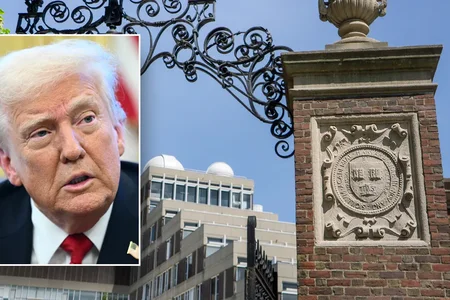
Por disa nga institucionet 'po luftojnë'. Universiteti i Harvardit hodhi poshtë kërkesat e administratës për ndryshime politikash.
“Universiteti nuk do të heqë dorë nga pavarësia apo të drejtat e tij kushtetuese”, tha presidenti i Harvardit, Alan Garber në një deklaratë. Administrata ngriu shpejt disa miliardë dollarë fonde federale për shkollën Ivy League.
Shtëpia e Bardhë kërkoi ndryshime në programet e diversitetit, barazisë dhe përfshirjes së Harvardit; ndalimi i maskave në protestat e kampusit dhe reformat për punësimin dhe pranimet e bazuara në merita. Ajo donte të reduktonte pushtetin e mbajtur nga fakultetet dhe administratorët.
Vendimi i Harvardit mund të krijojë një precedent që institucionet e tjera të arsimit të lartë të ndjekin shembullin. Por Universiteti Columbia rishikoi menjëherë kurrikulën e tij në Lindjen e Mesme. Rezistenca dhe nënshtrimi ndaj politikave të Trumpit po luhet gjithashtu në industrinë ligjore.
Dy firma të mëdha, Jenner & Block dhe ËilmerHale kanë paditur administratën për të sfiduar urdhrat ekzekutivë të Trump që synojnë ata dhe klientët e tyre. Ata akuzojnë qeverinë për përdorimin e urdhrave ekzekutivë antikushtetues për të ndëshkuar ose për të ftohur fjalimin që nuk i pëlqen.
Përjashtimi i gazetarëve nga administrata bëri që "Associated Press" ta çonte çështjen e saj në gjykata pasi gazetarëve të saj u ndaluan nga pishina e udhëtimit në Air Force One dhe ngjarjeve në Zyrën Ovale për shkak të refuzimit të televizionit të lajmeve dhe agjencisë fotografike për të ndjekur shembullin e Trump për riemërimin e Gjirit të Meksikës. Një gjykatës federal javën e kaluar e cilësoi ndëshkimin e AP-së nga Shtëpia e Bardhë si jokushtetues.
Trump’s next challenge to the rule of law will likely come Tuesday at the final hearing in the case of Abrego Garcia, who was picked from the streets of suburban Maryland and sent to a mega-prison in El Salvador.
The Justice Department has responded to a federal judge’s orders to detail its day-to-day efforts to have him extradited with challenges to the court’s authority. Joseph Mazzara, a lawyer for the Department of Homeland Security, said in a statement Monday that the agency “does not have the authority to forcibly remove an alien from the domestic custody of a sovereign foreign nation.”
This followed Bukele's statement just hours before suggesting cooperation with the White House. "How can I smuggle a terrorist into the United States? I don't - I don't have the power to return him to the United States," the Salvadoran president said.
The administration's response shows it is doing nothing to reinstate Abrego Garcia. It looks like another attempt to evade the authority of the judiciary. On this and many other fronts, the sense of a constitutional clash looming is impossible to ignore./ Adapted from "Pamphlet" by "CNN"


Lini një Përgjigje