


 Shkruar nga Pamfleti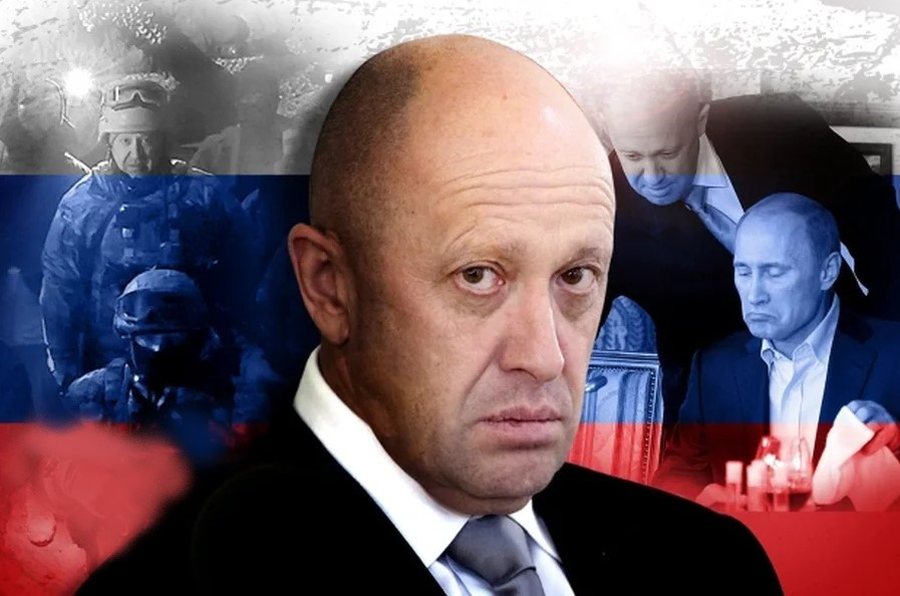
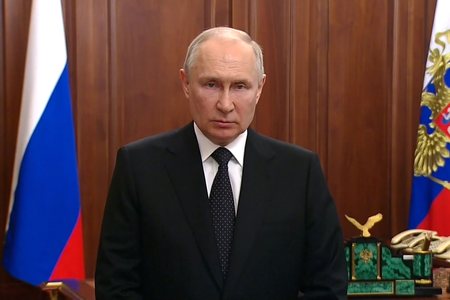
In the "pure logic" of a KGB leader, Putin must now "punish his enemies and traitors" to demonstrate his strong leadership...
The armed uprising against Russia's military command was quashed as quickly as it began, but the fate of Yevgeny Prigozhin—the leader of the Wagner mercenary group that led the uprising and incurred the enmity of Russian President Vladimir Putin—is now uncertain.
On Saturday, Prigozhin reportedly agreed to leave Russia for an "early retirement" in Belarus after withdrawing his troops from the march on Moscow in a deal brokered by the neighboring country's autocratic leader, Aleksandr Lukashenko, a close ally of Putin.
The paramilitary leader then left the southern Russian city of Rostov-on-Don that evening. In video footage, Prigozhin was seen smiling and shaking hands with supporters who flocked to his car to cheer him on.
His current whereabouts are unknown, but on Monday, Prigozhin posted an 11-minute audio message on Telegram. The sudden turn of events has raised questions about whether Prigozhin will continue to pose a threat to the Russian leadership and whether he can survive in exile in Belarus given Putin's long history of vendetta against his critics and opponents.
The broken promise of the Kremlin
Under the deal brokered by Lukashenko, the Kremlin agreed not to prosecute Prigozhin or other members of the Wagner group for launching an armed rebellion if Prigozhin left for Belarus, Dmitri S. Peskov, the Kremlin spokesman, said on Saturday.
On Monday, however, Russian media reported that criminal charges against Prigozhin had not been dropped and that Russia's Federal Security Service was continuing investigations into Wagner's boss. The reports came via Kommersant, a Russian newspaper, and the country's three main Kremlin-run news agencies - Tass, RIA and Interfax - citing anonymous sources.
Although the reports could not be independently verified, they suggest that if the proceedings proceed, Prigozhin - who has been accused of "treason" by Putin and Russian officials - could face up to 20 years in prison.
In the "pure logic" of a KGB leader, Putin must now "punish his enemies and traitors" to demonstrate his strong leadership.
The long history of Putin's revenge
Putin's regime has long been defined by his efforts to suppress dissent and political opposition. In 2003, he put Russia's richest man, Mikhail Khodorkovsky, behind bars for a decade for criticizing state corruption before being released and exiled to Zurich.
In January 2021, he arrested the country's opposition leader, Alexei Navalny, sparking some of the biggest protests the country had seen in years. Since authorities clashed with pro-Navalny protesters, Putin has stepped up his tactics by eliminating opposition politicians, weaponizing the justice system and labeling critical journalists as "foreign agents."
Jo çdo kritik i Putinit vdes në rrethana misterioze ose të dyshimta, por ka një histori të gjatë armiqsh të Kremlinit, të cilët vërtet kanë vdekur në këtë mënyrë. Në vitin 2006, Alexander Litvinenko, një ish-agjent i KGB-së dhe kritik i zëshëm i Shërbimit Federal të Sigurisë Ruse, vdiq në një hotel në Londër pasi kishte pirë një filxhan çaj të mbushur me polonium-210 vdekjeprurës. Një hetim britanik zbuloi se Litvinenko ishte helmuar nga agjentë rusë, të cilët po vepronin sipas urdhrave që "ndoshta ishin miratuar" nga Putin.
Në mënyrë të ngjashme, Boris Nemtsov, një lider i opozitës ruse dhe kritik i Putinit, u vra në Moskë në vitin 2015 pasi u qëllua katër herë pas shpine nga një sulmues i panjohur brenda Kremlinit. Sulmi ndodhi vetëm disa orë pasi Nemtsov i kërkoi publikut të bashkohej në një marshim kundër përfshirjes ushtarake të Rusisë në Ukrainë.
Dhe në vitin 2016, Denis Voronenkov, një ish-anëtar i Partisë Komuniste Ruse, i cili filloi të kritikonte ashpër Putinin pasi u arratis nga Rusia, u qëllua në Kiev në atë që ish-presidenti ukrainas Petro Poroshenko e quajti një "akt të terrorizmit shtetëror nga Rusia".
Çfarë ndodh më pas?
Për momentin, ekspertët thonë se e ardhmja e shefit të Wagner mbetet e panjohur, pjesërisht për shkak se objektivi kryesor i Prigozhin ishte tërheqja e vëmendjes së Putinit ndaj shpërbërjes së afërt të ushtrisë mercenare të Prigozhin.
Marrëveshja me Putinin mund ta ketë lënë Prigozhin në një situatë të vështirë me rreth 25,000 trupa Wagner që morën pjesë në rebelim dhe tani do të duhet të shpërbëhen. Ndërsa përballen me zgjedhjen ose të nënshkruajnë kontrata me ministrinë e mbrojtjes ose të shpërndahen në shoqërinë ruse nën sytë vigjilentë të Kremlinit, ata ka të ngjarë të indinjojnë Prigozhin që i ka vënë në pranga.
Putin is likely to react by becoming "more paranoid and even more repressive than in the past." Comparing the weekend's events to the failed coup against Turkish President Recep Tayyip Erdogan in 2016, which resulted in the arrest of more than 160,000 people, something similar could be unfolding in Russia with Putin targeting the opposition, civil society and the media in more aggressive way.
If Putin decides to strike further, experts say he is likely to reconsider allowing Prigozhin to live in quiet exile, especially after he openly defied the Russian leader in the public eye./ Adapted "Pamphlet" from "Time "


Lini një Përgjigje