


 Shkruar nga David Ignatius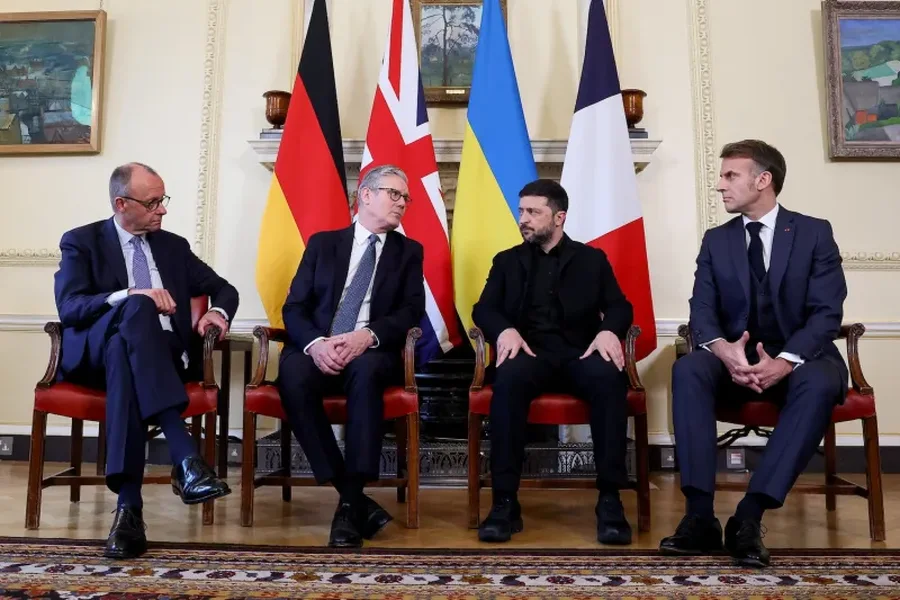
“Land swaps” are an inevitable part of the deal, but Ukraine and the U.S. are still negotiating how the borders will be drawn. Russia wants Ukraine to give up the roughly 25 percent of Donetsk it still holds; Trump’s team argues that Ukraine is likely to lose much of that in battle over the next 6 months, in any case, and must make concessions now to spare casualties. ..
Here is a simple description of what peace in Ukraine should look like: a sovereign nation whose borders are protected by international security guarantees, that is part of the European Union, and that is rebuilding its economy with major investments from the United States and Europe.
Despite President Donald Trump's tough negotiating tactics and his inexplicable sympathy for the Russian aggressor, such an agreement appears to be approaching, according to what I'm hearing from American, Ukrainian, and European officials.
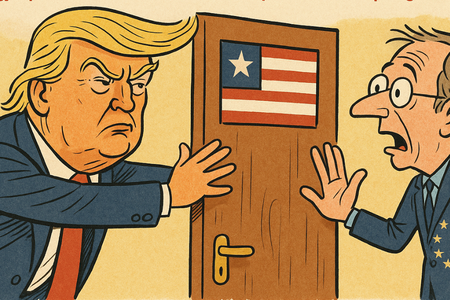
Trump could fail by squeezing President Volodymyr Zelensky and his European backers so hard that they choose to continue the war despite the terrible cost. That would be bad for everyone. This is a moment for Trump to reassure Ukraine and Europe, not try to force them to reach a solution.
Trump's pro-Kremlin tilt in the National Security Strategy released by the White House last week has complicated the negotiations. He appears to want to stand equidistant between a democratic Europe and an autocratic Russia, "to mitigate the risk of conflict between Russia and European states," the document says.
This impartiality between friend and foe makes no sense, neither strategically nor morally, and this is truly worrying for Europe.
Despite this shaky foundation, Trump’s peace effort holds some promise. American negotiators Jared Kushner and Steve Witkoff are business magnates, not diplomats. But they seem to recognize that the best protection for Ukraine is a combination of binding security guarantees and future economic prosperity. And they know that the package will fail unless Zelensky can sell it to a brave but exhausted country.
The negotiating package includes three documents, a Ukrainian official told me: a peace plan, security guarantees, and an economic recovery plan. The talks are far from over, with Ukraine and its European backers planning to publish a set of joint amendments on Wednesday.
But here are some of the ideas being considered, as outlined this week by American and Ukrainian officials:
Ukraina do të anëtarësohej në Bashkimin Evropian që në vitin 2027. Ky anëtarësim i shpejtë shqetëson disa fuqi të BE-së. Por administrata Trump mendon se mund të kapërcejë kundërshtimin e Hungarisë, e cila ka qenë kundërshtarja më e madhe e Kievit në BE. Anëtarësimi do të nxiste tregtinë dhe investimet. Por ndoshta më e rëndësishmja, do ta detyronte Ukrainën të kontrollonte kulturën e saj të dëmshme të korrupsionit në bizneset shtetërore.
Në thelb, kjo luftë ka qenë nëse Ukraina mund të bëhet një vend evropian. Presidenti Vladimir Putin e urren këtë ide, me besimin e tij mistik në unitetin e Rusisë dhe Ukrainës. Anëtarësimi i shpejtë në BE për Kievin më duket si fitore.
Shtetet e Bashkuara do të ofronin ato që përshkruhen si garanci sigurie "të ngjashme me Nenin 5" për të mbrojtur Ukrainën nëse Rusia shkel paktin. Ukraina dëshiron që SHBA-të të nënshkruajnë një marrëveshje të tillë dhe Kongresi ta ratifikojë atë; vendet evropiane do të nënshkruanin garanci të veçanta sigurie. Një grup pune SHBA-Ukrainë po shqyrton se si do të funksiononin detajet dhe sa shpejt Ukraina dhe aleatët e saj mund t'i përgjigjen çdo shkeljeje ruse.
Besueshmëria e garancive të SHBA-së mund të minohet nga gjuha në Strategjinë e Sigurisë Kombëtare që duket se e gërryen aleancën e NATO-s, mbi të cilën janë modeluar garancitë. Por ekipi i Trump thotë se është i përkushtuar për të vazhduar mbështetjen e inteligjencës amerikane për Ukrainën, e cila është “sine qua non” e sigurisë.
Sovraniteti i Ukrainës do të mbrohej nga çdo veto ruse. Por negociatorët duket se ende po përballen me çështje delikate, siç janë kufizimet mbi ushtrinë e Ukrainës. Po flitet për rritjen e propozimit fillestar të SHBA-së për një ushtri me 600,000 ushtarë në 800,000, që është afërsisht ajo që Ukraina do të kishte gjithsesi, pas luftës.
Por Kievi refuzon çdo kufi formal kushtetues, siç dëshiron Rusia.
Cilado qoftë madhësia nominale e ushtrisë, zyrtarët thonë se mund të ketë shtesa si garda kombëtare ose forca të tjera mbështetëse.
Një zonë e demilitarizuar do të krijohej përgjatë gjithë vijës së armëpushimit, nga provinca e Donetskut në verilindje deri në qytetet e Zaporizhias dhe Khersonit në jug. Pas kësaj zone të demilitarizuar do të ishte një zonë më e thellë në të cilën do të përjashtoheshin armët e rënda. Kjo vijë do të monitorohej nga afër, ashtu si zona e demilitarizuar që ndan Korenë e Veriut dhe atë të Jugut.
“Shkëmbimet e tokave” janë një pjesë e pashmangshme e marrëveshjes, por Ukraina dhe SHBA-ja ende po negociojnë se si do të vendosen kufijtë. Rusia kërkon që Ukraina të heqë dorë nga afërsisht 25 përqind e Donetskut që ende mban; ekipi i Trump argumenton se Ukraina ka të ngjarë të humbasë shumë nga kjo në betejë gjatë 6 muajve të ardhshëm, në çdo rast, dhe duhet të bëjë lëshime tani për të kursyer viktima.
American negotiators have tried various formulas to make this concession more acceptable to Zelensky. One idea is to demilitarize the withdrawal zone. Zelensky insisted on Monday that he “has no legal right” to cede territory to Russia. One way to resolve this issue is the Korean model, to this day, South Korea claims a legal right to the entire peninsula and North Korea claims the same.
The Zaporizhia nuclear power plant, the largest in Europe, will no longer be under Russian occupation. Negotiators are discussing the possibility of the United States taking over the facility. As strange as it may sound, this appeals to some Ukrainian officials because it would provide an American platform against Russian aggression.
The Trump administration will try to encourage investment and economic development in Ukraine. One source of funds would be the more than $200 billion in Russian assets now frozen in Europe. Trump negotiators have already proposed making $100 billion of that amount available to Ukraine for reparations.
The amount may increase.
A more sustainable engine for reconstruction would be American investment. American officials are talking to Larry Fink, chief executive of financial giant BlackRock, about reviving his plan for a Ukraine Development Fund that would draw on $400 billion for reconstruction. The World Bank would also be involved.
Trump, to be sure, wants similar investment and reconstruction initiatives for Russia. The premise for Kushner and Witkoff, both devout capitalists, is that countries that trade and prosper don’t make war. The rise of Nazi Germany in the 1930s confounds that optimism, as does the growing threat of China today. But it’s still a reasonable formula.
Instead of trying to force Zelensky to reach a deal, Trump’s negotiators should work with European allies to craft a package of security guarantees and economic incentives that is attractive enough that Ukrainians are willing to swallow the bitter pill of giving up the part of Donetsk that Russia has failed to capture. Otherwise, Ukrainians will continue to fight.
The biggest mistake Trump could make is to insist that it’s now or never. Diplomacy doesn’t work that way, and neither does good business. As Trump observed decades ago, “the worst thing you can do in a deal is look desperate to make it. That makes the other person smell blood, and then you’re dead.”
Trump needs to make a reasonable deal that will last. Otherwise, he could end up with nothing, and this miserable conflict could enter an even more destructive phase. / Adapted from the Washington Post /


Lini një Përgjigje