


 Shkruar nga Pamfleti
Another element that makes it harder to reach a more favorable agreement is the changing balance of power. Iran now has more leverage, including control of the Strait of Hormuz, a key point for global oil trade. At the same time, Trump faces domestic pressure to lower fuel prices ahead of the November election, which limits his negotiating space.
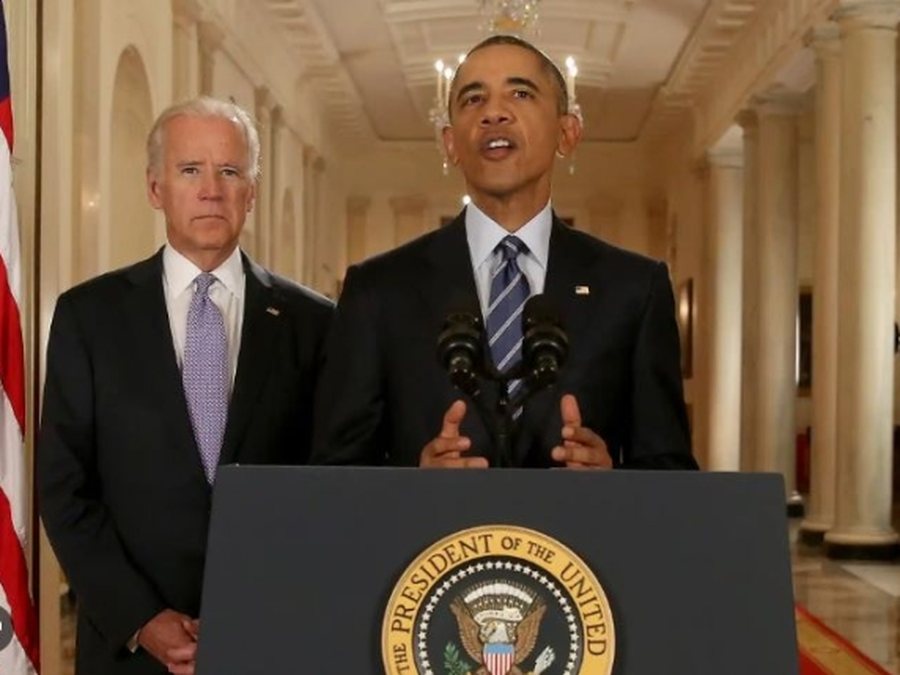
US President Donald Trump has repeatedly compared the deal he aims to reach with Iran to the JCPOA, the 2015 nuclear deal signed by the Obama administration, from which he himself withdrew in 2018.
He has publicly stated that his agreement will be "much better," linking the political and military outcome to the content of this agreement.
The debate in the US has focused on whether such an outcome is realistically achievable. The New York Times describes this objective as “difficult,” linking the assessment to the way the JCPOA was constructed. The 2015 agreement was preceded by nearly two years of intensive negotiations and involved a wide institutional apparatus: diplomats, nuclear experts, and intelligence structures such as the CIA. The final document consisted of 160 pages and five technical annexes.
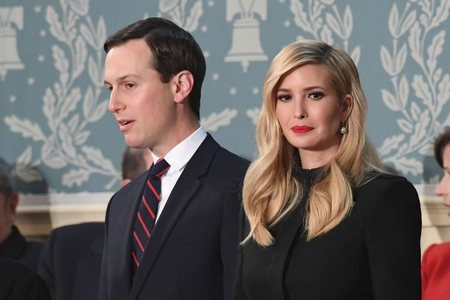
In contrast, Trump’s current team includes figures with a diverse background and less experience in nuclear negotiations. The process includes Vice President JD Vance, Jared Kushner and special envoy Steve Witkoff, both New York real estate tycoons. Opposite them is Iranian Foreign Minister Abbas Araghchi, who was directly involved in the JCPOA negotiations and has detailed knowledge of Iran’s nuclear program. David Sanger of the New York Times notes that while American negotiators “are smart and quick learners,” the field remains new to them.
Another element that makes it harder to reach a more favorable agreement is the changing balance of power. Iran now has more leverage, including control of the Strait of Hormuz, a key point for global oil trade. At the same time, Trump faces domestic pressure to lower fuel prices ahead of the November election, which limits his negotiating space.
In this context, Tehran has rejected two of the main demands that would mark a fundamental change from the JCPOA: the complete surrender of its nuclear stockpiles and the indefinite suspension of uranium enrichment. These positions indicate that the negotiations are taking place on tougher ground than in 2015.
The JCPOA itself had set concrete mechanisms to limit Iran’s nuclear program. The agreement was intended to guarantee a “breakthrough time” of at least one year for building a nuclear weapon. Iran agreed to export 98% of its enriched uranium, limit enrichment to 3.67%, and accept inspections by the International Atomic Energy Agency. Former Obama adviser Ben Rhodes has emphasized that these results were achieved “without a devastating war.”
However, the agreement had clear limitations. It did not address the ballistic missile program or support for regional militias, and it had an expiration date of 2030. These gaps constitute precisely the areas where a US administration could seek changes, even though Iran intends to limit the discussion to uranium enrichment.
Trump has repeatedly criticized the JCPOA, arguing that it created a path to nuclear weapons. The decision to withdraw in 2018 was made under the influence of then-national security adviser John Bolton and the so-called “maximum pressure” line. The goal was to force Iran to accept tougher conditions. Subsequent developments showed otherwise, with Iran increasing its uranium enrichment level.
Even conservative media in the US are noting similarities between the potential deal and the JCPOA. According to the Free Press, one possible scenario involves removing a large amount of enriched uranium in exchange for sanctions relief and the unblocking of funds, a formula that has been used before and that has been criticized by hardline political circles.
The key difference remains the current context. While the Obama administration aimed to limit and monitor the nuclear program, Trump's approach is built on terminating the existing agreement and attempting to negotiate from a new starting point. This does not exclude the possibility of Iran rebuilding the program, making the outcome of the negotiations open and uncertain.


Po nese rregullat kane qene vertete jo rregulla atehere cte keqe ka te te ndryshohen...?