


 Shkruar nga Pamfleti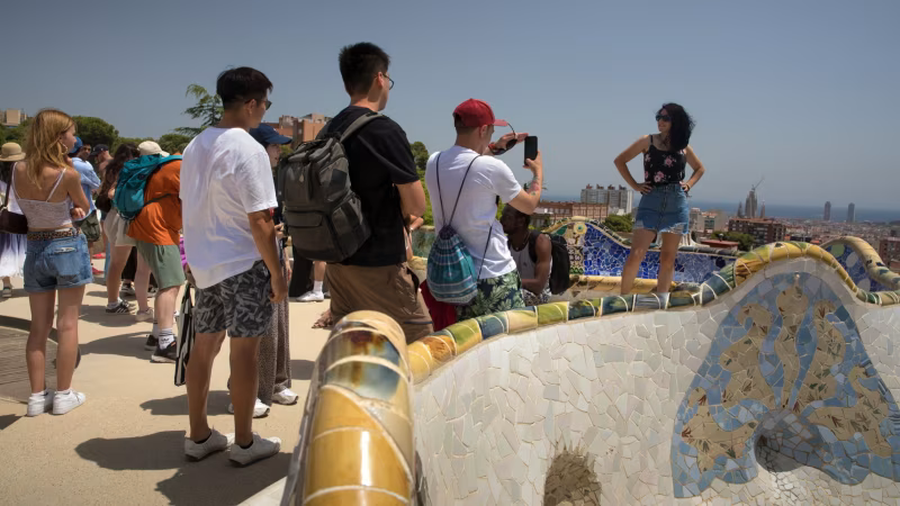
The main word of this summer is "tourism-phobia".
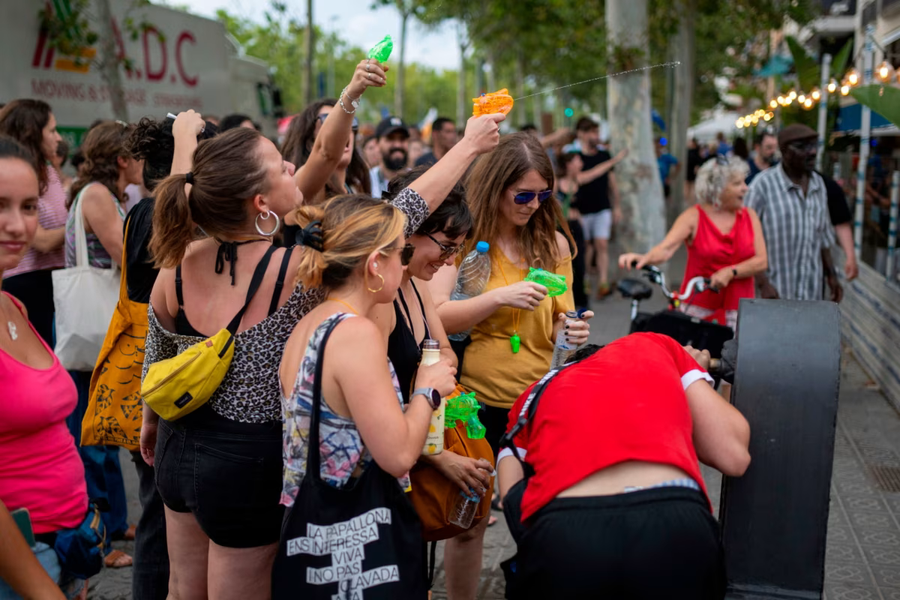
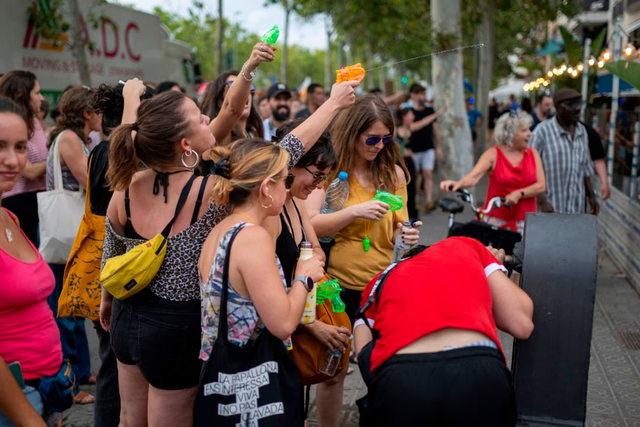
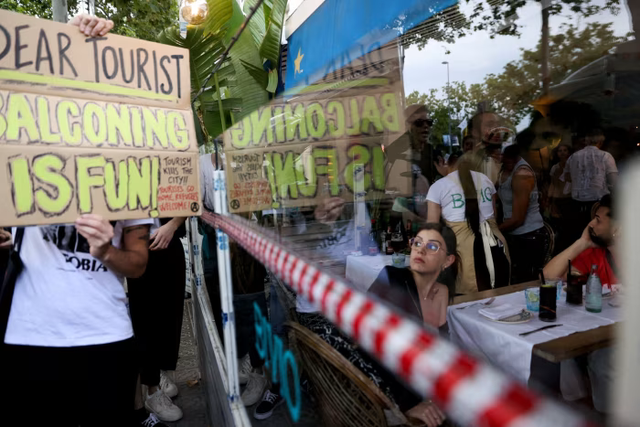
A handful of anti-tourism protesters sprayed visitors in Barcelona with water pistols during a demonstration this month, chasing them off restaurant terraces. As images of the water attack splashed across the press from the US to China to Australia and sparked a branding crisis for the Spanish city, the pistols were condemned by tourism leaders for scaring away visitors.
The backlash against tourism, however, extends far beyond Barcelona. Europe has been called the museum of the world and the Mediterranean has flourished as its beach resort. European countries welcomed 709 million international visitors last year, with a growing number coming from North America, but the vast majority traveling within Europe.
But in some places the mass of pleasure-seekers has grown so large that, from Venice and Amsterdam to Lisbon and the Greek island of Santorini, the locals' patience has worn thin.
More than anywhere else, Spain is on the front lines. It is the second most visited country in the world, welcoming 85 million foreign travelers last year.
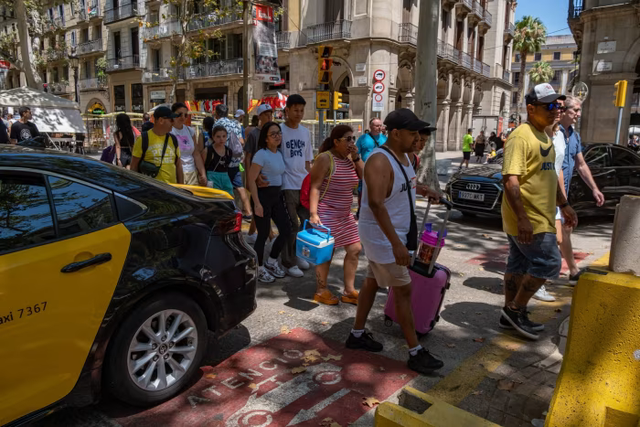
The pressure has been mounting for years as the numbers rise, but this year the strains in Spain have become unbearable. Residents complain that housing has become unaffordable, public transport is collapsing, medieval town centers are being "drowned by Disney", water supplies are running low and anti-social behavior is rife.
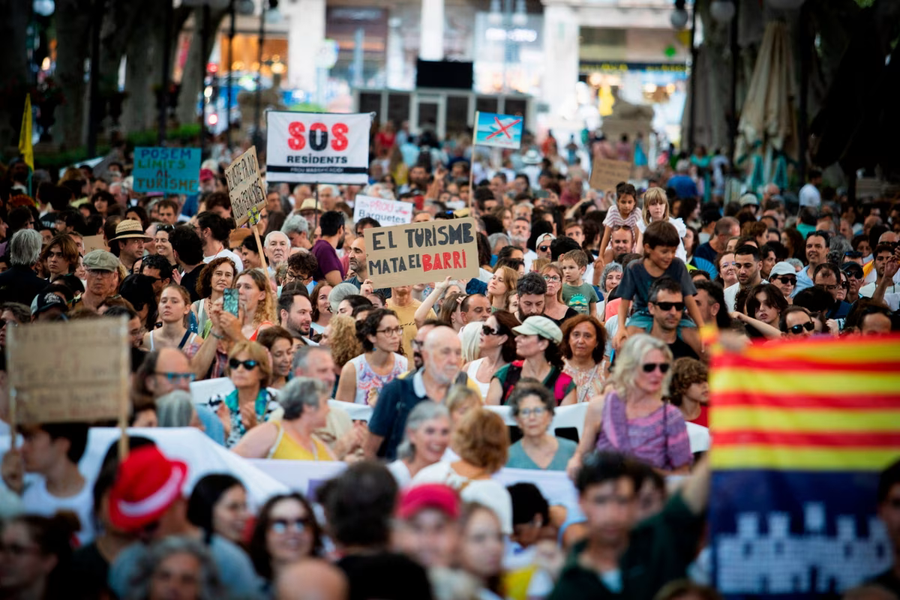
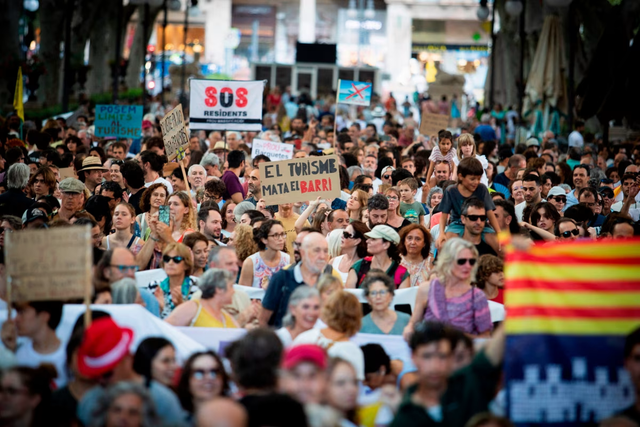
Many are now saying enough is enough. In the past three months anti-tourism protests have drawn 56,000 people across the Canary Islands and 10,000 people on the island of Mallorca, where locals rose early to "occupy" one of its most Instagrammed beaches.
On the southern coast of the continent, more than 5,000 turned out in Málaga along with several thousand in Alicante and Cádiz. There have been demonstrations in Seville, San Sebastián, and even in the Lavapiés neighborhood of Madrid, one of Europe's most fashionable capitals. The main word of this summer is "tourism-phobia".
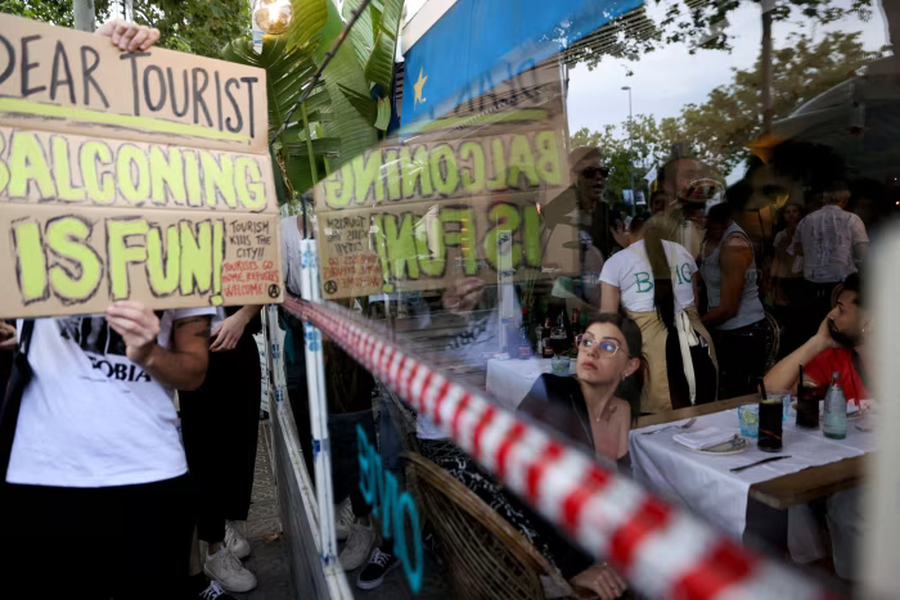
Spain is becoming a European test of whether the frenzy can be turned into a force of renewal – rather than destabilization. After all, rejecting a sector that is the economic lifeblood of many countries is dangerous. Over six decades, the industry has become an engine of jobs and profits. It has raised Spain to the rank of rich countries and accounts for 12-13 percent of the national GDP. But a slogan in the Canary Islands summed up a common sentiment: “Tourism, yes. But not like this."
Jordi Hereu, Spain's tourism minister, is conscious of finding the right balance. The question is, how can the tourism sector be regulated and at what economic cost?
Pikat e nxehta të udhëtimit të Evropës po kalojnë nëpër fazat e asaj që akademiku George Doxey e quajti një "indeks acarimi".
Ardhja fillestare e vizitorëve gjeneron eufori, shkroi ai ndërsa turizmi masiv u përshpejtua në vitet 1970. Kjo i hap rrugën apatisë pasi ato merren si të mirëqenë, e ndjekur nga bezdi ndërsa afrohet ngopja. Faza e fundit, antagonizmi, karakterizohet nga shprehje të hapura të armiqësisë që synojnë turistët.
Që në vitin 2001, Ishujt Kanarie vendosën një moratorium për ndërtimet e reja në zonat turistike në një përpjekje për të kontrolluar shifrat. Dhjetë vjet më parë, mes trazirave sociale për masat shtrënguese të eurozonës, Barcelona pa protestat e saj të para në shkallë të gjerë kundër turizmit. Por që atëherë natyra e problemit ka ndryshuar.
Së pari, kërkimi i eksperiencave dhe autenticitetit u bë viral: më shumë turistë filluan të largoheshin nga plazhet dhe qendrat e qyteteve për t'u dyndur në festivalet e lagjeve, fshatrat e izoluar dhe parqet natyrore që nuk ishin mësuar t'i shihnin, por e gjetën veten të promovuar nga influencuesit e udhëtimeve.
Më pas goditi Covid-19. Banorët patën një shije të papritur për të pasur përsëri shtëpitë e tyre, por me një tjetër anë të kushtueshme: qeveritë grumbulluan borxhe të mëdha për të kompensuar zhdukjen e të ardhurave nga turizmi. Kur pandemia u qetësua, udhëtarët u kthyen me një uri të re dhe politikëbërësit ishin të dëshpëruar për t'i mirëpritur ata.
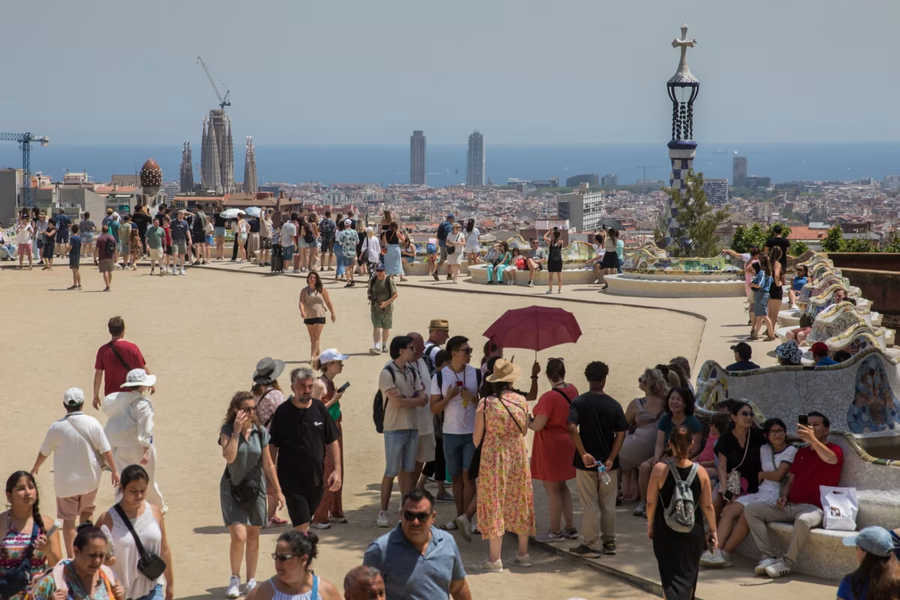
Në rastin e Barcelonës, pakënaqësia bashkon dy drejtime të jetës shoqërore që normalisht kundërshtohen: snobizmi konservator për klasat e ulëta të vizitorëve dhe antikapitalizmi i majtë i një qyteti me rrënjë anarkiste.
Por industria e turizmit është e etur të minimizojë rëndësinë e protestave. Mjetet juridike të propozuara për mbiturizmin mund të ndahen në katër kategori. E para, dhe në dukje më e thjeshta, është një mbikëqyrje më e mirë dhe kontrolle më të forta nga qeveritë rajonale dhe komunale.
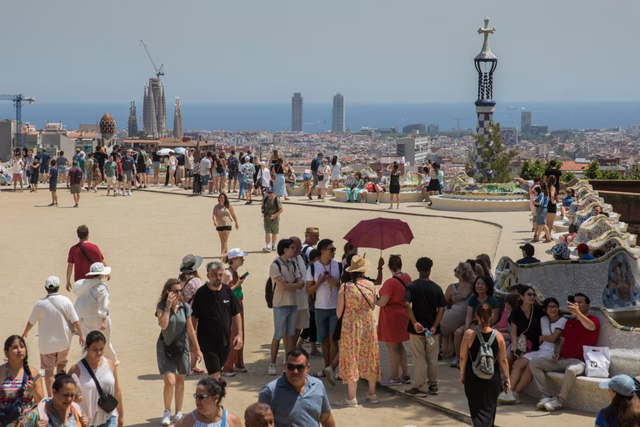
Zyrtarët në Spanjë po godasin abuzimin me hapësirat publike. Në të gjithë Ishujt Balearik, një dekret i miratuar në maj i ndalon njerëzit të pinë jashtë ambienteve të autorizuara dhe urdhëron varkat e festave të qëndrojnë larg bregut. San Sebastián ka kufizuar grupet turistike në 25 persona për të reduktuar bllokimin e trotuareve. Barcelona është zhvendosur në blerjen e biletave vetëm në internet për Parc Güell-in e saj dhe ka hequr një itinerar lokal autobusi nga Google Maps, në mënyrë që turistët të mos e përdorin atë.
Në shumë qendra turistike, gjobat për urinim në rrugë, madje edhe në det, po shumohen. Edhe pse rritja e temperaturave të verës nuk i pengon të gjithë, ato po ndihmojnë përpjekjet për të shpërndarë vizitorët gjatë gjithë vitit.
But many local residents are calling for new measures to address the most pressing economic pain point: housing. As the property supply is reduced by Airbnb-style apartments and foreigners' holiday homes, rising rents have left restaurant and hotel staff living in caravans, tents or cars on Greek and Spanish islands. The problem is exacerbated by the fact that most jobs in tourism are low-skilled and low-paying.
In response, Lisbon has suspended the granting of new short-term rental licenses. Barcelona has taken the most drastic action, pledging to close its 10,000 Airbnb-style apartments - which account for 40 percent of visitor beds - by the end of 2028.
But it is facing a series of legal challenges from property owners. This action would penalize many families with children who stay in them because hotels are too expensive.
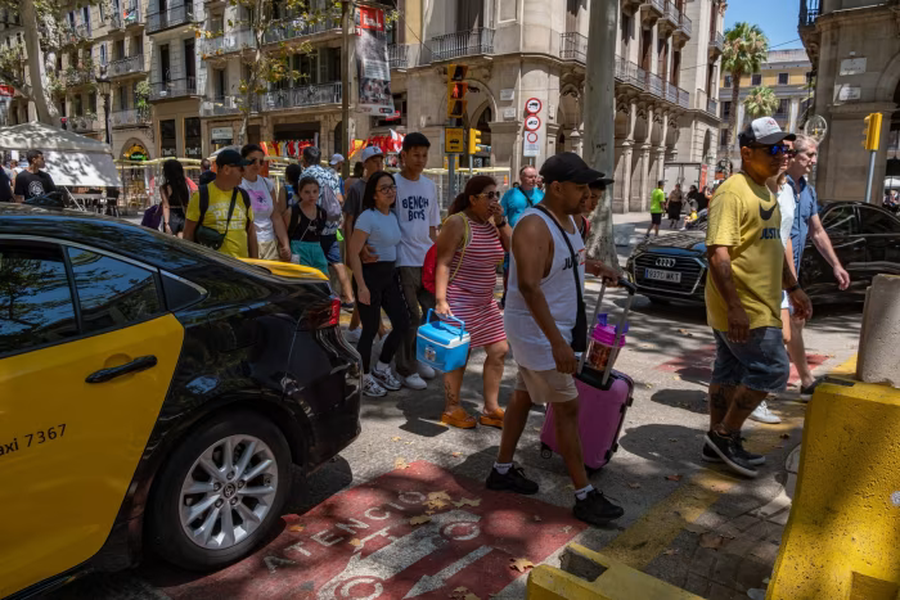
The second solution is to change the type of tourists a destination attracts by going upmarket with an elite option.
The third solution to overcrowding, pushed by many in the travel industry, rests on the idea that the root of the problem is not too many people, but too little capacity.
Countries only feel overwhelmed if they haven't been prepared to cope, they say. What is needed are concerted investments in housing, urban transport and water systems. It is not a diagnosis promoted by governments because it puts the blame on them. While Spain has built good airports and highways, tourism locally was for decades a story of policymakers – from the right and left alike – competing for business and failing to plan, industry figures say.
The final, most radical solution proposed is to reduce, or shrink, the total number of international tourists. The anti-capitalist version rejects the notion of traveling abroad as a right, emphasizes the need to reduce carbon emissions from transport, and appeals to those who still can't afford a holiday of any kind.
Others favor using tourism taxes to discourage visitors. But nowhere in Europe has it come close to the $100-a-night rate charged by the Himalayan kingdom of Bhutan. Barcelona's tax is a maximum of 6.75 euros per night and its Socialist-led government has a more moderate vision of the borders./ Adapted "Pamphlet" from "FinancialTimes"






Lini një Përgjigje