


 Shkruar nga Michael Rubin
Erdogan's rhetoric is pushing Israel toward a historic turning point. A preemptive strike on Turkish bases is no longer just a theory, but a possible military scenario. Israel's security could dictate a 1967-style strike on Egyptian leader Nasser.
In 1967, Israel defeated Egypt in 6 days. Could Israel do the same to Turkey? Egyptian President Gamal Abdel Nasser made no secret of his views on Israel. “We want a decisive battle to annihilate that germ, Israel!” he declared in July 1959.
The following year, Radio Cairo broadcast: “We are preparing for the decisive battle and, at the right moment, we will strike with force and speed.” As Syrian terror threatened to overshadow Nasser in the mid-1960s, the Egyptian leader redoubled his anti-Israeli rhetoric.
In March 1965, 2 years before Israel occupied the West Bank and Gaza, Nasser declared: "We will not enter Palestine on sand, but on a land saturated with blood. We aim at the destruction of the state of Israel. The immediate goal is the perfection of Arab military power. The national goal: the eradication of Israel," Nasser explained 8 months later.
When Nasser closed the Straits of Tiran and the Suez Canal to Israeli ships and mobilized his army, the Israelis realized that his threat was not merely rhetorical.
Historians and lawyers often debate the meaning of “imminent danger,” but survival should not be an academic problem or the subject of a study of “what went wrong” after the event.
Israel's enemies have always had strategic depth. Egypt is about 40 times larger in area than Israel. At its narrowest point, Israel is less than nine miles wide. Today, history seems to be repeating itself.
As Turkish President Recep Tayyip Erdogan seeks to divert attention from economic failure and political turmoil at home to claim a leadership role abroad, he has revived Nasser's strategy of escalating attacks on Israel.
Like Nasser, he has accompanied his rhetoric with a massive buildup of military power. Today, Erdogan openly threatens war.
The Turkish threat
He has threatened to invade Israel just as Turkey did in Nagorno-Karabakh. Azerbaijani forces, backed by Turkey, ethnically cleansed the entire population, beheading the few who chose to stay in their homes.
Këtë muaj, Ankaraja ka nisur zbatimin e një bllokade “të butë”, duke kërkuar që anijet që ankorohen në portet e saj të mos kenë asnjë lidhje me Izraelin. Më 10 prill, qeveria e Erdoganit paditi kryeministrin izraelit Benjamin Netanyahu për ndalimin e një flote që kërkonte të furnizonte Hamasin, duke kërkuar më shumë se 4.500 vjet burg.
Në prapaskenë, Turqia jo vetëm kërkon të rrisë aftësinë e Sirisë për të sulmuar Izraelin, por sipas profesionistëve të mbrojtjes dhe inteligjencës nga disa vende të rajonit ka zëvendësuar edhe Iranin si një linjë jetike shpëtimi për Hezbollahun.
Fabrikat turke të dronëve prodhojnë armatime që mund të mbingarkojnë mbrojtjen izraelite. Një shitje e mundshme e avionëve luftarakë F-35 nga administrata Trump drejt Turqisë mund të gërryejë avantazhin cilësor të Izraelit.
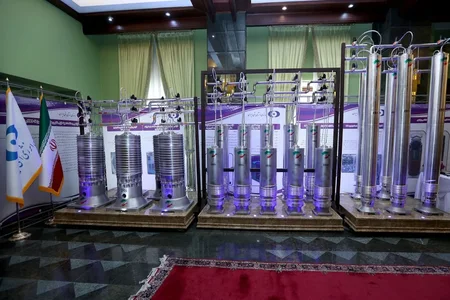
Ndërkohë, po afrohet gjithnjë e më shumë mundësia që Turqia të ndjekë rrugën e Iranit drejt zhvillimit të armëve bërthamore. Diplomatët mund të kërkojnë të minimizojnë tensionet, por për ata që jetojnë në rajon, realiteti vlen më shumë se dëshirat.
Turqia e vitit 2026 është ekuivalente me Egjiptin e 1966-ës. Diktatorët kërkojnë të ndezin furinë publike kundër shtetit hebre. Arsyet ideologjike, mbi të cilat nuk mund të ketë kompromis, e motivuan dikur Nasser-in dhe po ushqejnë sot urrejtjen e Erdoganit. Udhëheqësit izraelitë s’duhet të kenë asnjë iluzion se Erdogani nuk do ta vinte në zbatim retorikën e tij. Mosveprimi i SHBA-së pas dislokimit të fundit të avionëve F-16 të Erdoganit në Qipron Veriore të pushtuar, vetëm po e sa inkurajon liderin turk të besojë se mund t’ia hedhë pa pasoja.
Shtëpia e Bardhë duhet të jetë e shqetësuar
Shtëpia e Bardhë nuk duhet të ushqejë iluzione për atë që mund të pasojë. Më 5 qershor 1967, Izraeli nisi Operacionin “Focus”, duke shkatërruar forcën ajrore egjiptiane me mbi 300 avionë ende pa u ngritur nga toka.
Natyra e kërcënimeve ekzistenciale, kërkon shpesh masa të dëshpëruara. Thënë thjesht, nëse Izraeli ka frikë se fuqia ajrore, marina dhe kompleksi ushtarako-industrial i Turqisë përbëjnë kërcënim për ekzistencën e tij, atëherë Jerusalemi nuk do të ketë zgjedhje tjetër veçse të nisë një “Operacion Focus” të ri për të parandaluar rrezikun.
Ushtria e Nasser-it në vitin 1967, ishte ekuivalente me atë të Erdoganit sot: e madhe në numër, por e mbivlerësuar. Edhe spastrimet ideologjike të Erdoganit kanë gjithashtu aftësitë reale të forcave turke. Për shkak të paranojës që rrethon udhëheqjen turke, Forca Ajrore Izraelite ka mundësi t'i koordinojë operacionet e saj në kohën kur Erdogan largohet nga vendi për vizita jashtë shtetit.
Erdogan mbështetet te liderë të nivelit të dytë si ish-shefi i inteligjencës Hakan Fidan dhe pasardhësi i tij Ibrahim Kalin, por ata janë sa rivalë, aq edhe aleatë midis tyre. Goditja e njërit ose e të dyve, do të thellonte vakumin e pushtetit në Ankara.
Po çfarë mund të bëjë Izraeli?
Israel could strike Turkish F-16 jets and other aircraft at bases in Northern Cyprus, Incirlik, Izmir, Diyarbakir and several other strategic cities. Most likely, Israeli fighter jets would target the main Turkish Navy base in Gölcük, as well as those in Aksaz, Foça and Iskenderun, in the Hatay region.
To hinder Turkey's response and recovery, Israel should also target the factories of the Turkish Aerospace Industries (TUSAŞ), where most of the weapons are produced. Baykar's headquarters, personnel, and factories should also be targeted due to its key role in the production of the Bayraktar TB2 and Akinci drones.
Ankara-based BMS Savunma, which manufactures surveillance drones, could also be a target. It is likely that Turkish radar systems and air defenses would be eliminated in the first minutes of the operation.
What about NATO?
Turkey may believe it is safe under NATO's shield, but that is not necessarily true. Article V of the North Atlantic Treaty - the collective defense clause - is full of ambiguity. What exactly constitutes an "armed attack" remains open to debate, especially if other NATO members view Erdogan's previous threats as a provocation.
Because NATO operates by consensus, any member can block the activation of Article V, "giving the change back" to the Turks, who have long used vetoes and threats to block the alliance for their own material and diplomatic advantages.
From bad to much worse
Of course, Israel would have to prepare for a strong Turkish response. But if war between Turkey and Israel is seen as inevitable, preemption becomes increasingly necessary, so that Jerusalem can time the attack and position itself for maximum advantage.
Given that, unlike Egypt, Turkey does not border Israel and that the international community would immediately call for calm, Israel could copy an old strategy: attack and then ask for a ceasefire.
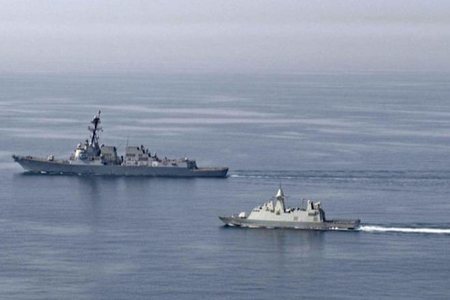
In such a case, the US Navy could be deployed to the Eastern Mediterranean to ensure a freeze in the conflict.
Note: Michael Rubin is a fellow at the American Enterprise Institute and director of policy analysis at the Middle East Forum. / Adapted from "Pamphlet" by "19 FortyFive"




Nëse nuk shqetësohen, turqit janë si qen Kangal. Kur shqetëson, nuk kafshon! Të bën mish të grirë! Michael duhet të dalë nga kinemaja. Ai ka filluar ta ngatërrojë Daljen!
K A N C E R I IZRAEL. Armik i te gjithe fqinjeve te tij. PUSHTUES DHE KRIMINEL-GJENOCIDAL. Gropat i ka hapur vete dhe po vete do bjere brenda tyre.