


 Shkruar nga SETH J. FRANTZMAN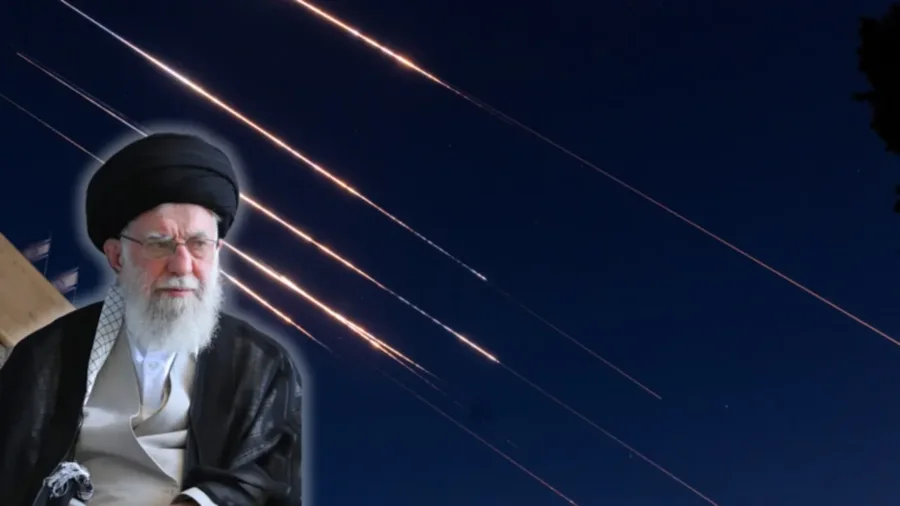
Iran's failure to understand the war it was entering is historic...
Iran was caught off guard when Israel launched strikes in the early hours of Friday morning. Now in its fourth day, the war continues to be caught off guard and unable to respond to the attacks. Why is Iran so shaken by a war that has long been discussed?
A day before Israel's attacks, the head of Iran's Islamic Revolutionary Guard Corps, Hossein Salami, had said that his country was "fully prepared" for any scenario.
But the start of the war showed that he was not prepared.
Salami was killed in the first Israeli strikes, along with other key commanders. Although Iran quickly replaced commanders, it took hours for its ballistic missiles to be ready for launch.
Iran's missile arsenal
The destruction of the missile arsenal is a major blow to Iran. Without ballistic missiles, Iran does not appear to have a good way to attack Israel.
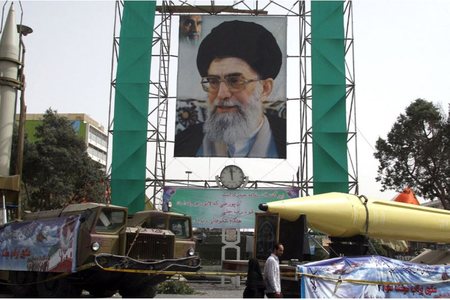
Iran likely had thousands of missiles capable of reaching Israel. It has increased the type and quality of these missiles over the years. Some of these missiles could also be sent to Iranian-backed militias in Iraq for launch at Israel. However, Iran still has a limited number of long-range missiles. As some of its missile depots and stockpiles are destroyed, their numbers are dwindling. As launchers are eliminated, it is more difficult to position them for launch.
Why would a country rely solely on its missiles for a war? No war in history has been won by missiles alone.
Russia has used Iranian-style missiles and drones to attack Ukraine, and Russia did not win the war. Iran also has its own arsenal of drones to attack Israel. These are relatively small drones, and they also do not appear to pose a major threat.
Most of the Iranian drones have been shot down en route to Israel. Even if Iran has thousands of them, it appears that the drones' wings have been cut off.
Iran's failure to understand the war it was entering is a historic failure. Iran had threatened to destroy Israel for years. Yet it never seemed to find a way to do so.
The loss of an “entry” into Israel
After Israel weakened Hezbollah in 2024, Iran did not change its calculations. Hezbollah was supposed to provide it with a front line with Israel, part of a multi-front war that included Hamas, the Houthis, and other groups, such as militias in Iraq. Without Hezbollah's front, Iran had fewer options.
When the Assad regime fell on December 8, 2024, Iran lost another key ally in the region. Without Assad and Hezbollah, Iran has no direct border with Israel. Iran has tried to establish proxies in the West Bank and supported Hamas’s attack on Israel on October 7. However, Hamas is weaker and proxies in the West Bank, such as Palestinian Islamic Jihad, are also weaker. Iran has also tried to threaten Israel through Jordan. However, it has not been successful.
Iran has a relatively weak naval and air force. These cannot match Israel's arsenal. Iran's army may be large, but it cannot reach Israel.
During the Iran-Iraq War, Iran was also caught off guard by Saddam Hussein's invasion in 1980. Iran relied on human wave attacks and attrition to defeat the superior Iraqi army. It also conducted what was called "urban warfare," attacking Iraqi cities, as it has now done with Israel. It also attacked ships in the Persian Gulf. However, Israel is not Iraq. It is not a state on the front lines with Iran. Iran cannot rely on its strategic depth and manpower.
Israel understood the Iranian threat and made its plans against Iran, which was considered a “third circle” threat. Along with Hezbollah, Iran was seen as the main enemy.
Israel overestimated Iran
While Israel underestimated Hamas, it overestimated Iran and planned how to defeat the regime. It also campaigned between the wars in Syria to weaken Iran’s efforts to transfer weapons to Syria and Hezbollah between 2015 and 2024. When Assad fell, Iran’s arm in Syria collapsed.
Iran’s failure to understand this war is not unique in history. Countries have gone to war in the past and been surprised by their enemies. For example, Mexico’s Santa Anna lost both the Texas War of Independence and the Mexican-American War in the 19th century. Santa Anna’s arrogance led to defeat. In addition, Spain entered the Spanish-American War in 1898, assuming it could even handle the U.S. Navy and armed forces. It was surprising when the U.S. defeated the Spanish Navy and Army in Cuba and the Philippines.
There are other examples. Perhaps the most relevant to our situation is the historical Persian Empire, with its often overestimated strength. It was defeated by the Greeks several times. The worst came when Alexander the Great conquered the Persian Empire and pursued its leader to Bactria in Central Asia in the 4th century BC. Iran is not the modern Persian Empire, but it has aspects of the arrogance of Darius III, the Persian leader who lost to Alexander.
The war with Iran now enters a new phase, as Iran’s missile and drone force is weakened. Iran can resist and continue to fight. Israel cannot bring an army to Tehran. Iran could also seek a deal, or the Iranian regime could be weakened from within.
Wars are not usually won by air alone. But there are exceptions. In 1999, the US and NATO managed to defeat the Serbs during the Kosovo war using mainly air power. However, there was the option of a ground invasion if the air campaign failed. The US and a large coalition of countries defeated Saddam Hussein's army mainly using air power in 1991, followed by a brief ground campaign. However, air power did not bring the Nazis victory over England during the Battle of Britain. Air power alone is not always enough.
The question for Iran is why it failed to understand the modern battlefield.
Didn't you see that its drones aren't giving Russia victory in the war with Ukraine? Drones and missiles don't win wars. Why did Iran think it could discourage Israel after threatening it for so long?
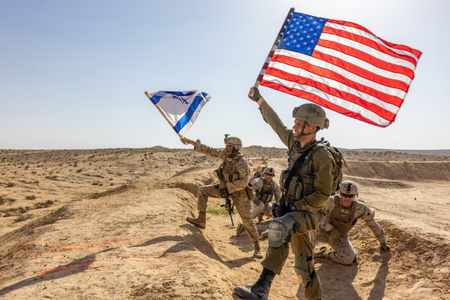
Did he think the US or others would make Israel back down from an attack?
Was Iran so prepared that it threatened and didn't think anyone else could threaten it?
In the history of war, Iran's mistake seems to be one that will be recorded in the record books. / Peshtati Pamphlet from the Jerusalem Post /



Lini një Përgjigje