


 Shkruar nga Henry Bodkin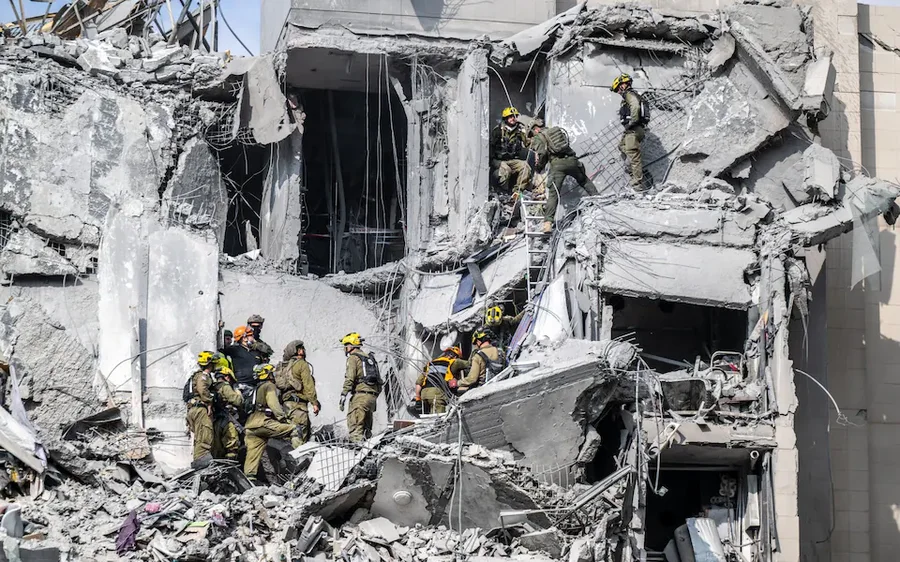
The shelters where Israelis once felt safe are in a deplorable state…
It was the deadliest shell Iran fired in its 12-day war with Israel and struck shortly before the ceasefire went into effect.
Aimed at the southern desert city of Beersheba, the ballistic missile ripped through the entire side of an apartment block shortly before 6 a.m. Tuesday, exploding in one of the many "safe" rooms inside the building.
The four people sheltering inside died instantly, bringing the total number of Israeli casualties to 28.
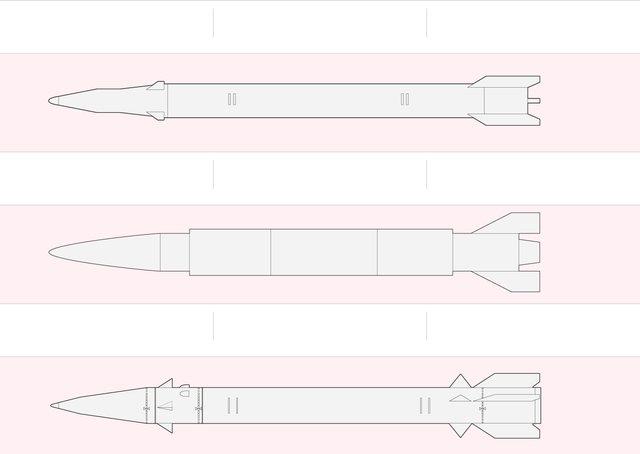
Just a day earlier, Tehran announced that it had begun using the Kheibar Shekan (Ghadr-H) multi-warhead nuclear weapon against Israel, a so-called "monster missile."
While the Israel Defense Forces (IDF) has not officially confirmed whether this munition was used in the Beersheba attack, Isaac Herzog, the president of Israel, described it as "one of the heaviest missiles in the Iranian arsenal."
The fact that Iran, forced to sign a shameful ceasefire, chose to sign off on its missile campaign with such brutality sends a clear message.
That is, if Israel decides to break the peace, its civilians will continue to die, and the Jewish state, despite its sophisticated air defense system, cannot do much to stop it.
Tuesday's deaths followed a similar attack in Petah Tikva, east of Tel Aviv, on the first Sunday of the campaign, in which two people who had followed the rules by taking shelter in a certified above-ground shelter were killed. Two others also died in the attack.
Despite unwavering support for the war, these incidents have prompted deep reflection among civil society. Israelis know that future wars are probably a matter of when, not if.
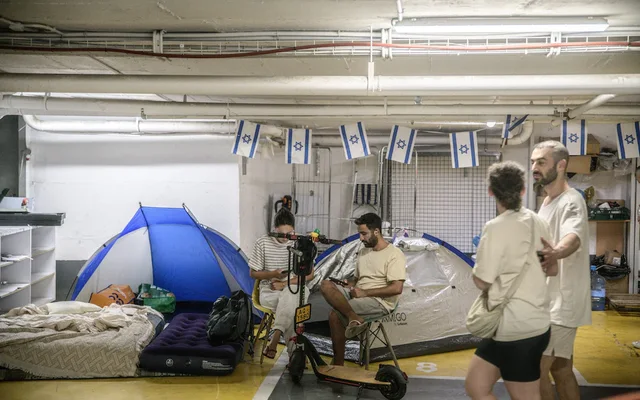
This new sense of vulnerability was evident this week in a series of sprawling tent cities in the concrete jungle dozens of meters below the streets of Tel Aviv.
Shalhevet Freedman, 50, had just fallen into bed for the night, along with her mother Claret, 75, and her 17-year-old daughter Daniella.
"I was staying in Petah Tikva because I thought it would be safer than Tel Aviv. In fact, I was close to a direct hit, I realized we weren't safe at all. We're safer here," she said.
Ms. Freedman was speaking four floors below the Dizengoff Center, a shopping mall in the heart of the city.
Under the glare of bright lights, the hastily repurposed parking lot is full of small silver tents as far as the eye can see.

Familjet, të cilat ose nuk kanë qasje në një strehë private ose nuk u besojnë më atyre, kanë krijuar vende të vogla ku më parë karikoheshin makinat elektrike të nivelit të lartë.
Ronen Koehler, nga grupi i fushatës Vëllezër dhe Motra në Arms, është një nga organizatorët.
Një ish-kapiten nëndetëseje, 61-vjeçar, di një ose dy gjëra rreth inkurajimit të njerëzve për të punuar mirë së bashku në hapësira të mbyllura.
Ai tha se “bota e jashtme mendon se Tel Avivi është plot me strehimore moderne, por kjo nuk është absolutisht e vërtetë.
"Shumë ndërtesa këtu u ndërtuan në vitet '40, '50 dhe '60, kështu që ato nuk janë të pajisura", tha ai.
Z. Koehler shpjegoi se të moshuarit dhe njerëzit me fëmijë të vegjël shpesh e kanë të vështirë të arrijnë në strehimore publike brenda (afërsisht) 12 deri në 15 minutave të ofruara nga sistemi i paralajmërimit të hershëm të Izraelit.
"Ke familje të reja, fëmijë, që zgjohen dy ose tre herë në natë, zbresin disa kate poshtë. Të jesh në gjendje të flesh gjithë natën është një gjë e madhe."
Ai shtoi se shumë të rinj që jetojnë vetëm, madje edhe ata me strehimore private, preferojnë të qëndrojnë nën tokë për gjithë natën.
Qyteti, me një farë justifikimi, ka një imazh global si një vend hipermodern, plot me të rinj interesantë, të cilët kryesisht e shpërfillin kërcënimin nga raketat.
Por, në natën e fundit të këtij raundi të konfrontimit të gjatë të Izraelit me Iranin, njerëzit që kanë ngritur kampe për të kaluar natën, shumë prej të cilëve janë të klasës punëtore, duken të lodhur dhe të frikësuar, refugjatë në qytetin e tyre.
Dyert gjigante të mbrojtjes nga shpërthimet mbahen hapur gjatë bastisjeve për të inkurajuar njerëzit të vrapojnë brenda.
Orit Baisa, një punonjëse mjekësore 41-vjeçare në kopsht, po përkundte një qen të racës pinscher të quajtur Sandy.
Ajo shpjegoi se kishte kaluar më shumë se një vit duke u përpjekur të punonte me trajnerë të ndryshëm për të zgjidhur problemet e ankthit dhe agresionit të kafshës, por raketat tani po shkaktonin sulme paniku "katastrofike", që do të thotë se kafsha e saj duhej të merrte ilaçe në çdo kohë.
Një raport i paraqitur qeverisë pak para sulmit të Izraelit ndaj programeve bërthamore dhe raketore të Iranit zbuloi se miliona qytetarë izraelitë nuk kanë mbrojtje të mjaftueshme nga raketat.
Ai zbuloi se rreth 56 përqind e shtëpive nuk kanë strehë dhe 12,000 nga strehimoret publike të Izraelit janë në gjendje të rrënuar.
Shumica e izraelitëve ndoshta nuk janë në dijeni të publikimit të raportit, por do ta njihnin përmbajtjen e tij.
Rinat Weinberg, një inxhiniere mekanike nga Haifa, 29 vjeç, tha se e ashtuquajtura dhomë “e sigurt” në ndërtesën e saj nuk kishte një derë të duhur dhe ishte e fortifikuar në disa pjesë me thasë me gurë dhe rërë, në vend të betonit të armuar të rregulluar.
Ajo ishte poshtë në parkingun e makinave Dizengoff nga “kurioziteti”, por dukej sikur do të qëndronte aty për natën.
Ms. Weinberg said: “In Haifa we ended up sleeping in an underground railway station with trains still passing the platforms. It was crazy. Now we are nomads.”
Following Saddam Hussein's Scud missile campaign in the First Gulf War, Israel passed a law mandating that all new residential apartments be built with a protective perimeter.
In general, the options are now broadly categorized as: Mamads, reinforced rooms inside apartments or houses; Mamaks, protected shared space on each floor of a residential building, often in its center; and Miklat, public bomb shelters, often underground.

However, the new report found that access to private shelters is very limited for the poor.
Ample evidence of this during the recent campaign was found in the vast, dark, and stinking concrete labyrinth at Tel Aviv's central bus station, in the less affluent south of the city, where another tent community had been established.
Lyn Tagacay, a care worker from the Philippines, was trying to rock her 11-month-old son, Kyle, to sleep as midnight approached.
She said: "We didn't have a bomb shelter near us, which meant I couldn't get there in time without running."
"It was scary and I couldn't handle it. It's easier to be down here."
Despite the declarations of victory by Donald Trump and Benjamin Netanyahu, it is still unknown to what extent Iran retains any nuclear weapons capability and, therefore, how likely future Israeli attacks are to provoke a response.
But the Islamic Republic is known to possess at least hundreds of ballistic missiles, against which Israel's air defenses are capable, but not perfect.
Hundreds of people in Tel Aviv and nearly 10,000 displaced across the country know that all of this could happen again soon. / Adapted Pamphlet from Telegraph /






Lini një Përgjigje