


 Shkruar nga Pamfleti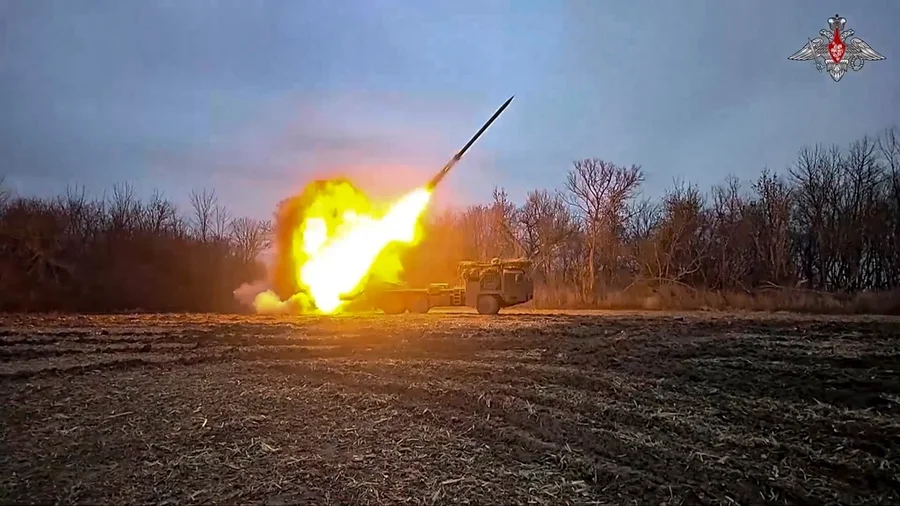
One issue that Zelensky specifically raised is Ukraine's demand to regain control of the Zaporizhia nuclear power plant, which is currently occupied by Russian forces.
The eyes of the international community, but especially Ukraine, are focused on Washington and Moscow, as Donald Trump's first phone conversation with Vladimir Putin will determine the course of the war.
Although all parties have stated that they want it to end, there is a large gap in the positions of the parties involved, as everyone wants to be declared the winner.
One of the issues that will surely arise is how the "certain assets" will be divided, as Trump himself revealed to reporters.
But what does this mean?
The US president was not clear. He could be referring to the possible division of territory as part of a possible long-term solution.
But that is unlikely. Ukraine says it will never recognize the territories occupied by Moscow as Russian, and Russia claims that the four partially occupied regions in the east are constitutionally its own.
Therefore, Trump is more likely to refer to territorial issues that may need to be resolved as part of any short-term ceasefire.
This could include drawing a "contact line" that could currently divide cities and villages.
And it could refer to safe access to Black Sea ports.
One issue that Zelensky specifically raised is Ukraine's demand to regain control of the Zaporizhia nuclear power plant, which is currently occupied by Russian forces.
For his part, Putin will most likely ask a series of questions about the 30-day ceasefire agreement reached between the US and Ukraine during their meeting in Jeddah, Saudi Arabia, which Russia did not openly reject, but neither does it support.
"How will these 30 days be used? Who will give the order to end the fighting? At what cost? Who decides who has violated any potential ceasefire?"
The importance of the Kursk front
The timing of Vladimir Putin agreeing to a ceasefire in Ukraine will likely be determined by developments in Russia's Kursk. Ukrainian troops launched a mini-invasion last August, capturing part of the region to the surprise of Kiev's allies and the embarrassment of Moscow.
With the help of about 10,000 North Korean soldiers, Russia is counterattacking, gradually pushing Ukrainian forces back towards the border. This job is almost done.
"The Ukrainian military thought they could hold Kursk as a bargaining chip in negotiations, and unfortunately, that didn't work," Jack Weitling, a senior fellow at the Royal United Services Institute, told the BBC.
He added that the Russians managed to remove them from Russian territory shortly before the start of the main negotiations.
It's not just a diplomatic obstacle. Some 60,000 Russian soldiers were stationed at Kursk, tying up valuable resources and helping slow Moscow's advance on Ukraine's long eastern front.
Once the last Ukrainian forces withdraw from Kursk, these Russian troops will again be available for operations elsewhere, increasing military pressure on Kiev.
Ukraine was struggling to hold territory in Kursk even before the Trump administration’s decision to halt military and intelligence assistance. But although both were quickly restored, the suspension came at a critical time and likely helped accelerate Ukraine’s withdrawal. /Adapted from Pamphlet/


Lini një Përgjigje