


 Shkruar nga Pamfleti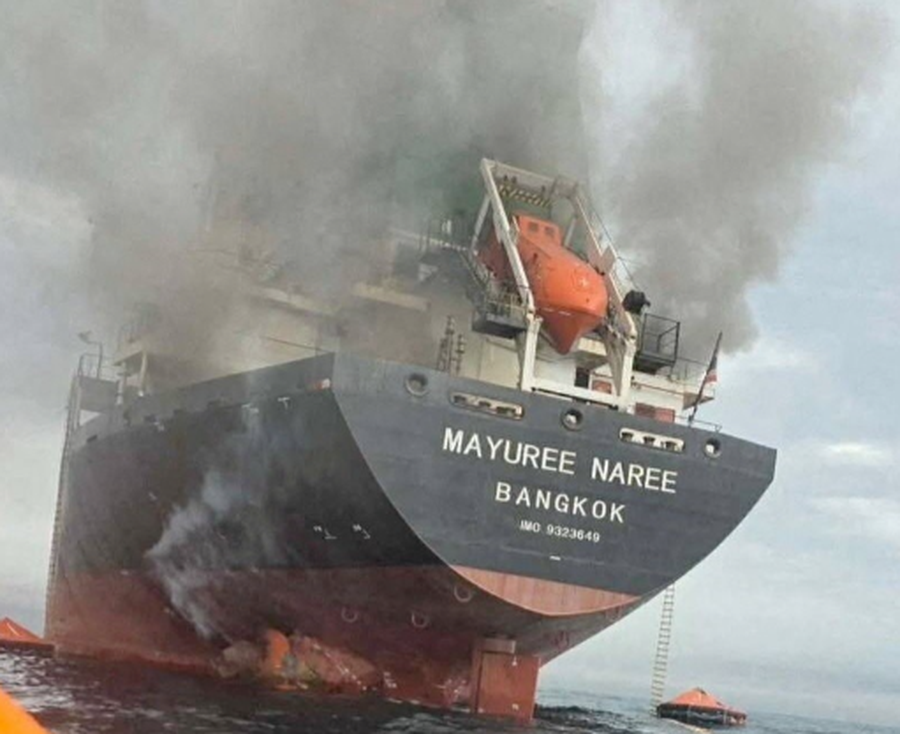
The involvement of Houthi rebels in the conflict has opened up another danger point for maritime transport in the Middle East, at a time when tensions in the region have already affected traffic on some of the most important waterways.
After attacks and threats in the Strait of Hormuz, through which about a fifth of the world's oil supply passes, markets have reacted with a rise in oil prices. This is expected to increase inflationary pressure in countries such as the United Kingdom.
Now attention has shifted south, off the coast of Yemen, where the Bab al-Mandab Strait is also seen as an area of heightened risk. The waterway was previously targeted by the Houthis during the Gaza war as part of pressure on Israel.
Attacks in that area ceased after Israel and Hamas reached a ceasefire agreement in October 2025. However, after the launch of a rocket towards Israel this weekend, there are increasing estimates that the group may resume attacks on ships in the Bab al-Mandab.
According to some analysts, the Yemen-based rebels may have chosen to enter this phase of the conflict at a time that gives them the opportunity to exert greater influence over Israel, the US and their allies.
So far, there are no reports that the Houthis have resumed attacks in this maritime corridor, while the missile launched towards Israel is reported to have been intercepted.
However, a Houthi leader told Reuters last week that the group is militarily prepared to resume operations in the strait, in support of Tehran, if it deems it necessary.
If attacks on the Bab al-Mandab resume, shipping companies may be forced to avoid this corridor and use longer routes. Such a development would increase transportation costs and subsequently the prices borne by consumers.





Si shpjegohet qe ketyre vendeve jo shume te fuqishme u cpohen e digjen avionet e anijet, kur te tjeret verdallosen me se miri, cudi!