


 Shkruar nga Pamfleti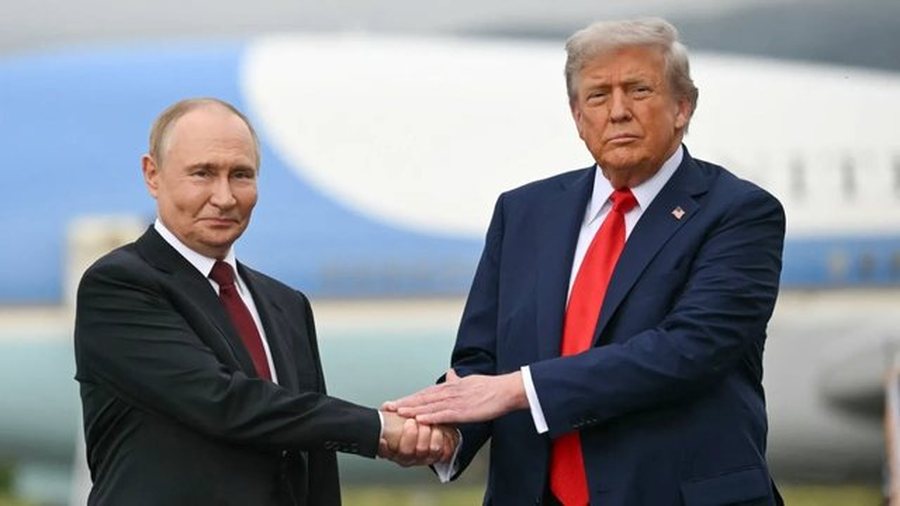
The meeting, which lasted about three hours and was followed by a brief press conference devoid of any political substance, was described by analysts as a "disappointment in Anchorage."
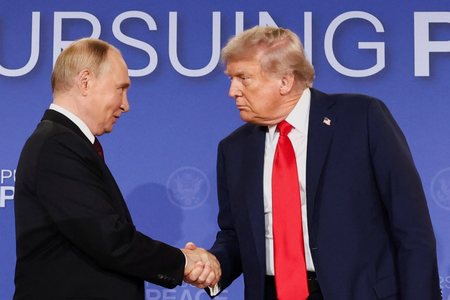
The long-awaited summit in Alaska between US President Donald Trump and Russian President Vladimir Putin ended without an agreement on a ceasefire in Ukraine and with more question marks than concrete results.
The meeting, which lasted about three hours and was followed by a brief press conference devoid of any political substance, was described by analysts as a "disappointment in Anchorage."
The presidents spoke at length about the war in Ukraine, but without reaching an agreement on a ceasefire. In the press conference that followed, Putin repeated his usual complaints about Ukraine and placed more emphasis on strengthening relations with the United States and economic opportunities for the future.
Trump, on the other hand, spoke of a “fantastic relationship” and “great progress,” but acknowledged that some “big issues” remained unresolved. He did not provide details, except for one cryptic comment: “One of them is probably the most important.”
To the surprise of many, the press conference lasted only three and a half minutes and Trump did not take any questions from reporters. He appeared tired after the seven-hour trip and intense talks and quickly left the room with the American delegation.
In an interview with Fox News, given shortly after departing on Air Force One, Trump declared: “There is no deal.” He added that everything now depended on Ukrainian President Volodymyr Zelensky.
In the same interview, Trump increased the pressure on Zelensky, publicly advising him to “make a deal,” describing Russia as a “great power” with “great soldiers.” Asked about the possibility of a land swap between Russia and Ukraine, Trump said that “those are points that we have generally agreed on.” Whether Zelensky agrees remains to be seen.
In a symbolic moment, Putin, in English, said “Next time in Moscow?”, taking Trump by surprise. The latter replied: “It’s an interesting idea… I’ll be criticized for that… but it could happen.” The proposal is seen by observers as an attempt to keep Ukraine off the table and orient the dialogue towards bilateral US-Russia relations.
Beyond the optimistic statements, Trump did not even mention the imposition of the announced sanctions on Russia, which were postponed to pave the way for talks. John Herbst, the former US ambassador to Ukraine, called this a mistake: “Putin has no intention of stopping the war. Only maximum pressure can force him. Trump made a mistake by not implementing the sanctions he himself had warned about.”
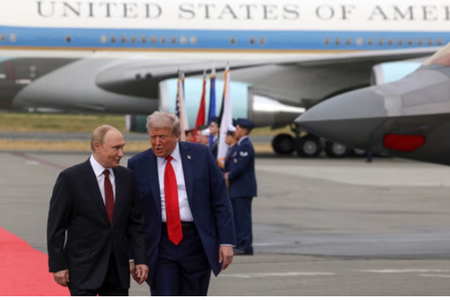
The day began with a grand ceremony at the Elmendorf-Richardson Air Force Base, where the two leaders met for the first time on American soil in a decade. The group photos, the presidential car “The Beast,” the flyovers of fighter jets, and the smiles were all part of a well-thought-out choreography for the cameras. But the political content remained weak.
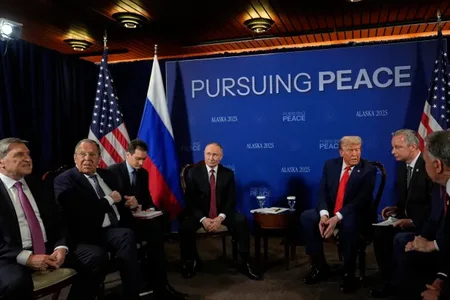
Although the one-on-one meeting was limited to a short car ride, the main talks were held with three advisers for each president. Trump was accompanied by Marco Rubio and Steve Witkoff, while Putin was accompanied by Sergey Lavrov and Yuri Ushakov.
An interesting detail was later revealed: Trump handed Putin a letter from his wife, Melania Trump, about the fate of Ukrainian children abducted by Russia — an issue the Ukrainian president wants addressed in any negotiations. The letter, according to the White House, was personal, but its contents were not made public.
Although Trump tried to paint an optimistic picture, giving the summit a “10 out of 10,” in fact the summit ended without any visible progress on peace in Ukraine or US-Russia relations. Observers like David Ignatius summed up the day as “disappointing.”
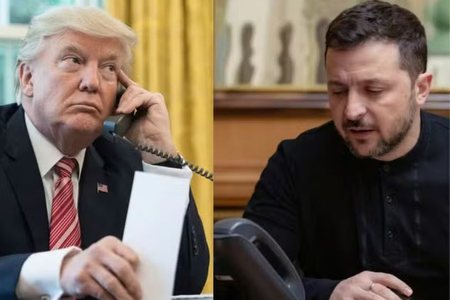
While Putin left unpunished and with an invitation to the upcoming summit in Moscow, Trump returned to Washington to make phone calls to Zelensky and European allies. It now remains to be seen whether the US president will decide to toughen his stance on Russia or continue to pursue his priority of an economic resumption with Moscow.
For now, the peace initiative is still alive, but in dire straits./The Times


Lini një Përgjigje