


 Shkruar nga Pamfleti
As tensions in the Middle East escalate, one reality is becoming increasingly clear: the Gulf states are caught in a dangerous geopolitical triangle between the United States, Israel and Iran. According to Hasan Alhasan of the International Institute for Strategic Studies, this situation is exposing these countries to major security risks and economic shocks, without having any real influence on decision-making.
At the heart of the problem lies the lack of consideration by the three main actors for the stability of the Gulf region. The US, traditionally an ally of the Gulf Arab states, is accused of pushing these states towards a direct clash with Iran, a scenario that the Gulf states themselves have sought to avoid. Their attempts at diplomatic mediation, according to Alhasan, have not been taken seriously by Washington, leaving diplomacy in the shade in the face of the logic of escalation.
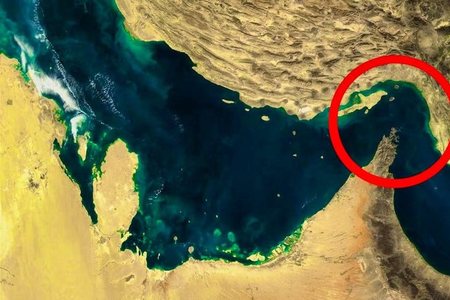
On the other hand, Iran is using a strategy of direct economic and geostrategic pressure. Restricting traffic in the Strait of Hormuz, a vital artery for global energy supplies, is a powerful tool of influence. With about 20% of the world's oil passing through this route, any Iranian intervention is immediately reflected in global markets, as seen with the increase in gas prices in the US.
Alhasan calls this approach “Iranian blackmail,” stressing that Gulf countries cannot function in a reality where their economic and trade security depends on unilateral decisions by Tehran or the Revolutionary Guard Corps (IRGC). Selective control of shipping passage through Hormuz not only increases insecurity, but also undermines confidence in the region’s stability as a global energy hub.
Meanwhile, Israel remains another factor influencing the regional balance, particularly through its ongoing confrontation with Iran and its allies. Although not directly linked to Gulf security in the same way as the US, its actions contribute to the overall escalation of tensions.
In this context, the Gulf states are facing a strategic dilemma: how to maintain their partnership with the US, avoid a clash with Iran, and at the same time protect their economic interests and domestic stability. So far, the answer seems unclear.
If diplomacy continues to remain on the back burner and tensions continue to rise, the risk is that the Gulf will no longer be just a spectator of the crisis, but one of its main victims.


Lini një Përgjigje