


 Shkruar nga Pamfleti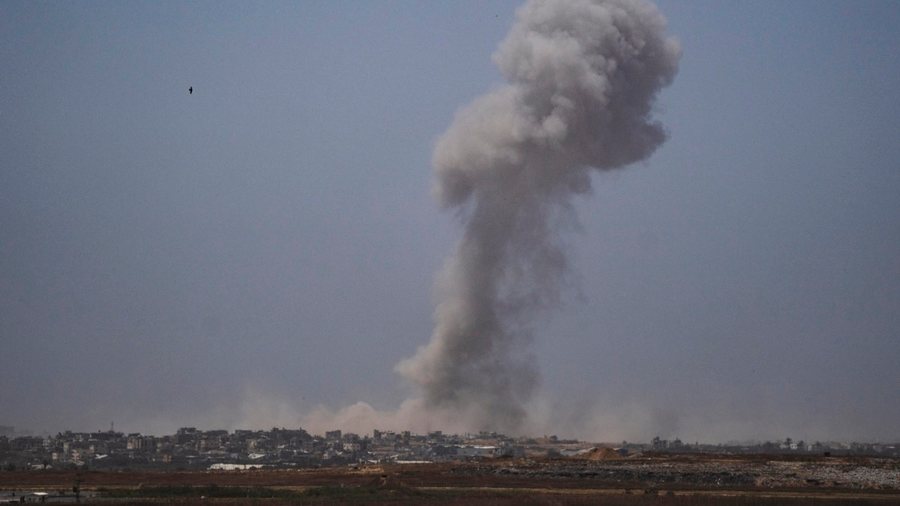
JERUSALEM - Hamas continues to resist despite the damage it has suffered after seven months of fighting with Israel. This organization, designated a terrorist group by the United States, the European Union and Britain, has reorganized in the hardest-hit areas of northern Gaza and has even resumed rocket attacks on Israeli communities.
Israel initially gained a tactical advantage over Hamas, as airstrikes paved the way for ground forces. But these initial gains have now been replaced by the ongoing fight against a Hamas that adapts to situations. There is also a growing sense among Israelis that their military forces face only bad options, drawing parallels with the United States' wars in Iraq and Afghanistan.
That was the backdrop to a rebellion in recent days by two members of Prime Minister Benjamin Netanyahu's war cabinet. Defense Minister Yoav Gallant and the prime minister's main political rival, Benny Gantz, demanded that the prime minister present detailed plans for the post-war period.
Both officials lent their support to Israel's response to the October 7 attack by Hamas, including one of the heaviest bombing campaigns in recent years, ground operations that devastated entire neighborhoods, and for restrictions at border crossings, which the UN Food Program says caused hunger in the Gaza Strip.
But now the two former generals fear a prolonged and costly occupation of Gaza, from where Israel has withdrawn soldiers and settlers since 2005. The two officials are also opposed to a withdrawal that would leave the territory under Hamas control, or that would lead to the creation of a Palestinian state.
They have presented their alternatives, which many Israelis say are too unrealistic. Meanwhile, Hamas has presented its plan for the post-war period.
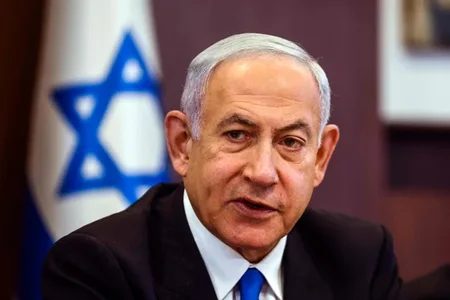
Prime Minister Netanyahu has promised "total victory" that would remove Hamas from power, eliminate the group's military capabilities and return dozens of hostages still being held since Hamas attacked Israel and sparked the war.
Mr. Netanyahu has said that victory would be achieved within weeks if Israel launched a frontal assault on Rafah, the last stronghold of Hamas, according to Israel.
Amir Avivi, former Israeli general and former deputy commander of the Gaza division, says this is just the beginning. He adds that Israel will have to continue to keep Gaza under control to prevent a resurgence of Hamas.
"Without drying the swamp, mosquitoes do not disappear. And draining the swamp means a complete change in the education system and establishing a relationship with local leaders and not with a terrorist organization," he says. "This is a generational process. It doesn't happen in a day."
Members of Mr Netanyahu's ruling coalition, who represent the far right and hold the key to his stay in power, have called for a permanent occupation, for the "voluntary emigration" of large numbers of Palestinians wherever they can. they also accept the reconstruction of Jewish settlements in Gaza.
Most Israelis are against it, citing the high cost of deploying thousands of troops to the territory, which is home to 2.3 million Palestinians. As an occupying power, Israel is likely to be held responsible for the provision of health care, education and other services. It is unclear to what extent international donors will help fund reconstruction as the fighting continues.
There is also no guarantee that such an invasion would eliminate Hamas.
Israel was in full control of Gaza when Hamas was founded in the late 1980s. Israel's 18-year occupation of southern Lebanon coincided with the strengthening of Hezbollah, and Israeli forces are constantly fighting militants in the West Bank, which Israel has controlled since from 1967.
AN INCOMPLETE CONQUEST, ACCOMPANIED WITH A FEW LEAVES
Mr Netanyahu has said Israel will retain control of security in Gaza but will delegate civilian administration to local Palestinians who are not affiliated with Hamas or the Western-backed Palestinian Authority, which governs parts of the occupied West Bank. He has suggested that Arab countries and other countries help with governance and reconstruction.
But so far no country has shown interest in this.
There have been no reports of Palestinians who may have offered to cooperate with the Israeli military, perhaps because Hamas has said they would be considered collaborators, a threat that carries the death penalty.
Attempts to establish contact with Palestinian businessmen and influential families "have ended in disaster," says Michael Milshtein, a former Israeli military intelligence officer and now an analyst on Palestinian affairs at Tel Aviv University.
He says that Israelis seeking such allies are looking for mythological creatures that do not exist.
Arab states have also rejected this scenario - even the United Arab Emirates, which is among the few countries that officially recognize Israel and maintain close ties with it.
"The United Arab Emirates refuses to be involved in a plan aimed at justifying the Israeli presence in the Gaza Strip," Foreign Minister Abdullah bin Zayed Al Nahyan said this month.
Në vend të kësaj, shtetet arabe janë bashkuar në mbështetje të një propozimi të Shteteve të Bashkuara, që synon zgjidhjen e konfliktit që vazhdon prej dekadash dhe transformimin e Lindjes së Mesme.
Sipas këtij plani, një Autoritet Palestinez i reformuar do të qeveriste Gazën me ndihmën e vendeve arabe dhe myslimane, përfshirë Arabinë Saudite, e cila do të normalizonte marrëdhëniet me Izraelin në këmbim të një pakti në fushën e mbrojtjes me Shtetet e Bashkuara dhe ndihmës për ndërtimin e një programi civil bërthamor.
Por zyrtarët amerikanë dhe sauditë thonë se kjo varet nga angazhimi i Izraelit në një mënyrë të besueshme për një shtet të ardhshëm palestinez.
Zoti Netanyahu e ka përjashtuar një skenar të tillë – ashtu si zoti Gallant dhe zoti Gantz – duke thënë se kjo do të shpërblente Hamasin dhe do të rezultonte në një shtet të drejtuar nga militantët në kufijtë e Izraelit.
Palestinezët thonë se dhënia fund e pushtimit prej dekadash të Izraelit dhe krijimi i një shteti plotësisht të pavarur në Gazë, Bregun Perëndimor dhe Jeruzalemin lindor - territore të marra nga Izraeli gjatë luftës së Lindjes së Mesme të vitit 1967 - është e vetmja mënyrë për t'i dhënë fund ciklit të gjakderdhjes.
Hamasi ka thënë se do të pranonte një zgjidhje me dy shtete të paktën përkohësisht, por në programin e tij politik vazhdon të bëjë thirrje për "çlirimin e plotë të Palestinës", përfshirë pjesën që tashmë është shteti i Izraelit. Hamasi ka thënë gjithashtu se duhet të jetë pjesë e zgjidhjes për periudhën e pasluftës.
Hamasi ka paraqitur një propozim shumë të ndryshëm, që për ironi mund të jetë më i pranueshëm për izraelitët se propozimi SHBA-Arabi Saudite.
Grupi militant ka propozuar një marrëveshje me faza, sipas së cilës do të lirojë të gjithë pengjet në këmbim të qindra të burgosurve palestinezë –përfshirë militantët kryesorë – si dhe tërheqjen e forcave izraelite nga Gaza, një armëpushim të zgjatur dhe rindërtimin.
Kjo do ta linte pothuajse me siguri Gazën nën kontrollin e Hamasit dhe ndoshta do të mundësonte ringritjen e kapaciteteve të tij ushtarake. Hamasi madje mund të pretendojë fitoren, pavarësisht vdekjeve dhe dëmeve masive shkatërrimtare për civilët palestinezë që nga 7 tetori.
Por mijëra izraelitë kanë dalë të protestojnë javët e fundit duke u bërë thirrje udhëheqësve të tyre që ta pranojnë një marrëveshje të tillë, sepse kjo është ndoshta mënyra e vetme për të rikthyer pengjet.
Ata e akuzojnë zotin Netanyahu se po pengon arritjen e një marrëveshjeje të tillë, sepse ajo mund t'i shtyjë aleatët e tij të ekstremit të djathtë ta rrëzojnë qeverinë e tij, duke i dhënë kështu fund karrierës së tij politike dhe duke e ekspozuar atë për t’u ndjekur penalisht për akuzat për korrupsion.
Përkrahësit e një marrëveshjeje të tillë thonë se do të kishte përfitime të tjera për Izraelin, përveç lirimit të pengjeve.
A low-intensity conflict with Lebanon's Hezbollah is likely to subside as regional tensions ease, allowing tens of thousands of people on both sides of the border to return to their homes. And finally Israel can deal with the review of security failures on October 7.
The country will also be able to prepare for another inevitable round of fighting.
Mr Milstein says Israel should accept Hamas' idea of a "hudna" - an extended period of strategic calm.
"Hudna does not mean a peace agreement," he said. "It's a truce that can be used to get stronger and then attack the enemy by surprise." / VOA





Lini një Përgjigje