


 Shkruar nga Pamfleti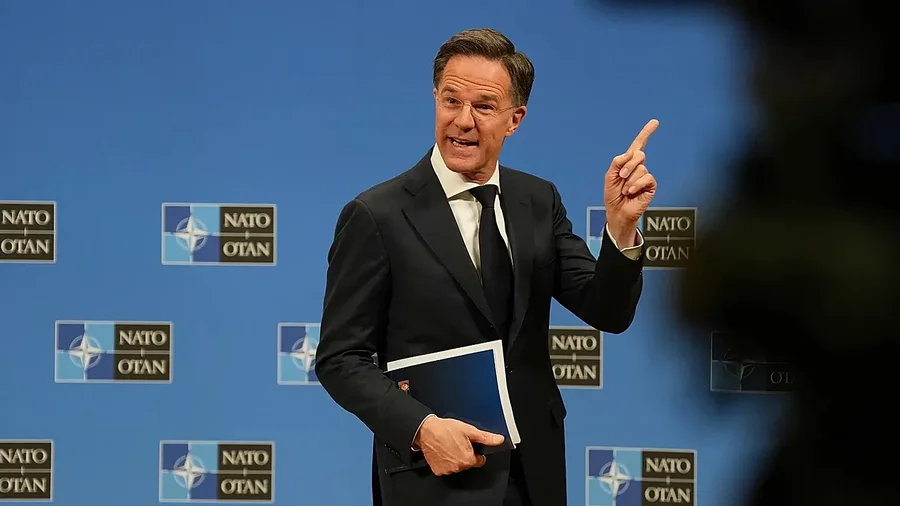
NATO chief Mark Rutte will visit Washington after Donald Trump criticized European allies for disagreements over the Iran war, CNN reports.
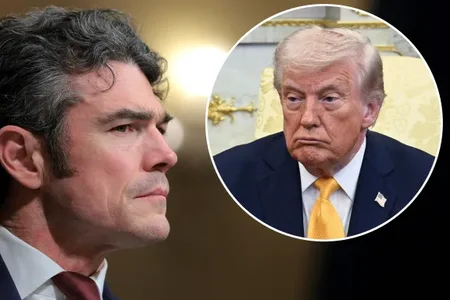
Trump said he was considering withdrawing the US from the Western military alliance due to the refusal of European members to send ships to unblock the Strait of Hormuz.
In comments made Wednesday to allies gathered for an Easter lunch at the White House, Trump criticized France and the United Kingdom, among other U.S. allies, calling them a "paper tiger."
NATO, which includes European countries, the US and Canada, was formed in 1949 with the aim of countering the risk of a Soviet attack and has been the main pillar of the West's security ever since.
“We’ve had some very bad allies in NATO,” Trump said. “We hope we never need them. I don’t think we will.”
Assurances from NATO officials
Despite the imminent visit, a NATO spokesman said the trip was pre-planned and not a response to the president's threats. Current sentiment among NATO diplomats suggests there is little unease about a potential withdrawal from the alliance, with one European official comparing the rhetoric to "Martyrdom Day," noting that similar warnings have been heard before from the Trump administration. However, some diplomats acknowledge that it would be unrealistic to dismiss these remarks outright, given the president's ability to enact rapid policy changes.
Tensions over military support
Some senior European diplomats interpret Trump’s statements as a strategic effort to push European nations to contribute resources to missions such as reopening the Strait of Hormuz. Other officials say the president’s statements likely stem from genuine frustration with some NATO allies who have failed to provide essential support, such as ground flights and basing capabilities, to U.S. forces during operations against Iran. Reports indicate that during a phone call with Rutte in mid-March, Trump expressed frustration about the lack of support from allies in the current conflict.
Call for engagement from NATO allies
After the tense phone call, Rutte quickly encouraged member states to issue a collective statement expressing support. Then, on March 19, nations including the United Kingdom, France and Germany affirmed “their readiness to contribute to appropriate efforts to ensure safe passage through the Strait of Hormuz.” While initially only a limited number of countries were engaged in the coalition’s efforts to secure the vital waterway, reports indicate that operations now involve participation from at least 35 nations.



Lini një Përgjigje