


 Shkruar nga Pamfleti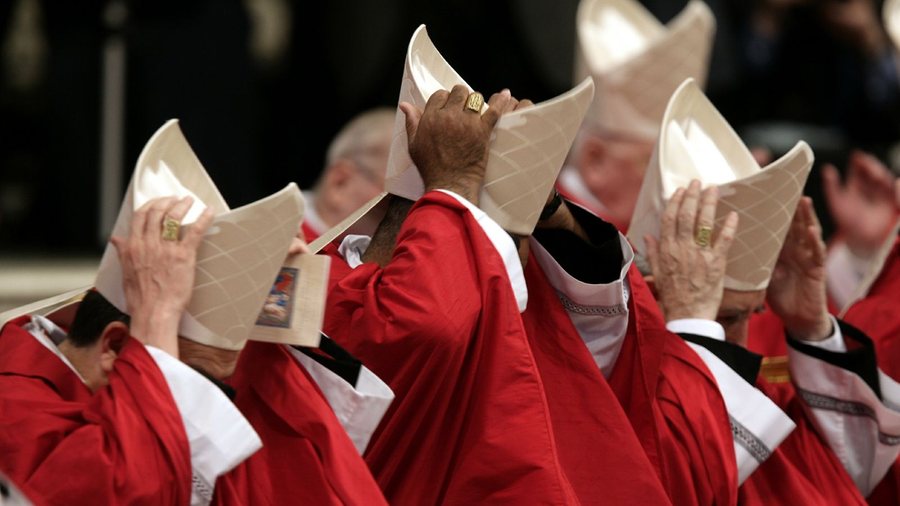
Following the death of Pope Francis, cardinals from around the world gather in Rome to elect a new pope.
With the death of Pope Francis, the wheels are in motion to elect a new leader.
The rituals for electing a new pope are elaborate and date back centuries. So how does it work?
When a pope dies or, more rarely, resigns, the Catholic Church enters a period called “sede vacante.” This means “empty seat” — as there is no pope sitting on the throne of St. Peter.
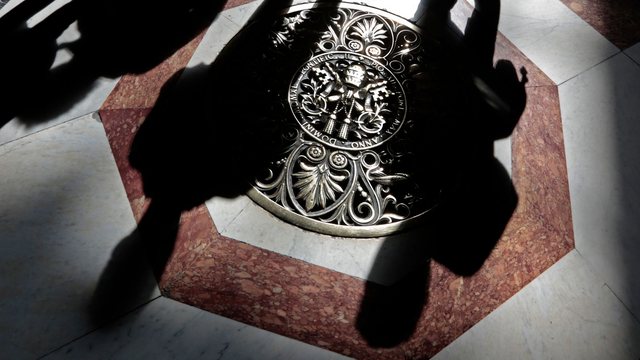
The late pope's ring and seal – which are used for sending papal documents – have been broken to prevent anyone else from using them.
During this time, a cardinal - known as the Camerlengo or Chamberlain - becomes the temporary head of the church with limited powers.
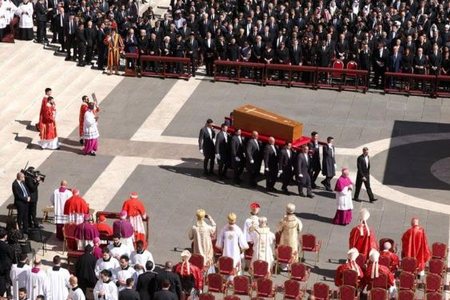
The "sede vacante" generally lasts several weeks while the funeral is held and the cardinals prepare to gather for the conclave.
conclave
The conclave takes place in the Sistine Chapel, the famous Vatican hall whose walls and ceilings are decorated with works by Michelangelo.
The meeting includes cardinals from all over the world and lasts until a new pope is elected. Only cardinals under the age of 80 (cardinal electors) are allowed to participate in the conclave and cast their votes for the new pope.
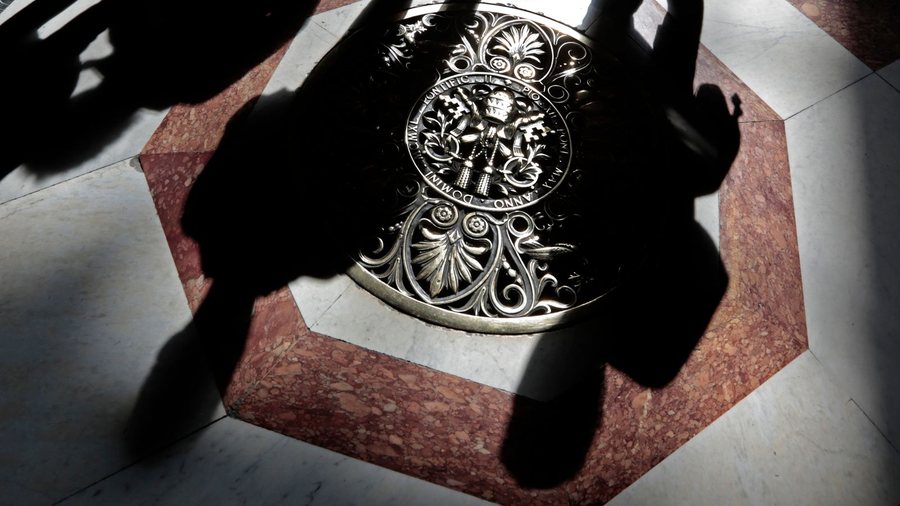
Currently, out of 252 cardinals, there are 135 cardinal electors: 53 from Europe; 23 from Asia; 20 from North America; 18 from Africa; 17 from South America; and four from Oceania.
The country with the most cardinals who can vote is Italy with 17, the US has 10 and Brazil with seven. The United Kingdom has three.
Once the conclave begins, the cardinals will not leave the Vatican until a new pope is elected. The word "conclave" comes from Latin, meaning "locked up" - a reference to the seclusion in which the cardinals are kept.
They hold voting sessions in the Sistine Chapel and sleep at the Casa Santa Marta hotel within the Vatican territory.
The longest conclave lasted nearly three years, between 1268 and 1271. Some have lasted just a day. The one that elected Pope John Paul in 1978 lasted less than three days. The cardinals elected Pope Francis in about two days.
While the conclave continues, the cardinals are unable to communicate with the outside world. No telephones, internet use or newspapers are allowed.
Except on the first day, when only one ballot is held, the cardinals hold two daily voting sessions until a candidate has a majority of two-thirds plus one. They are all sworn to secrecy regarding the vote.
White smoke?
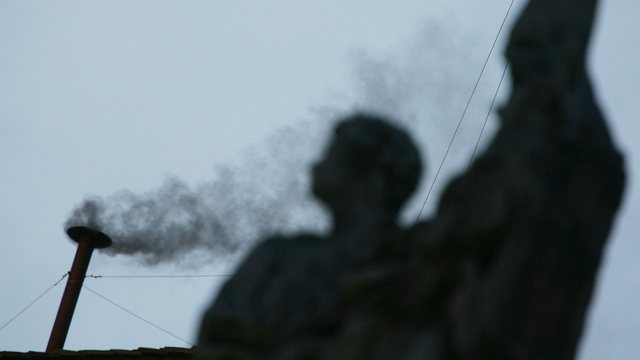
So how do we know if a decision has been made? Yeah, that's the black smoke, white smoke part.
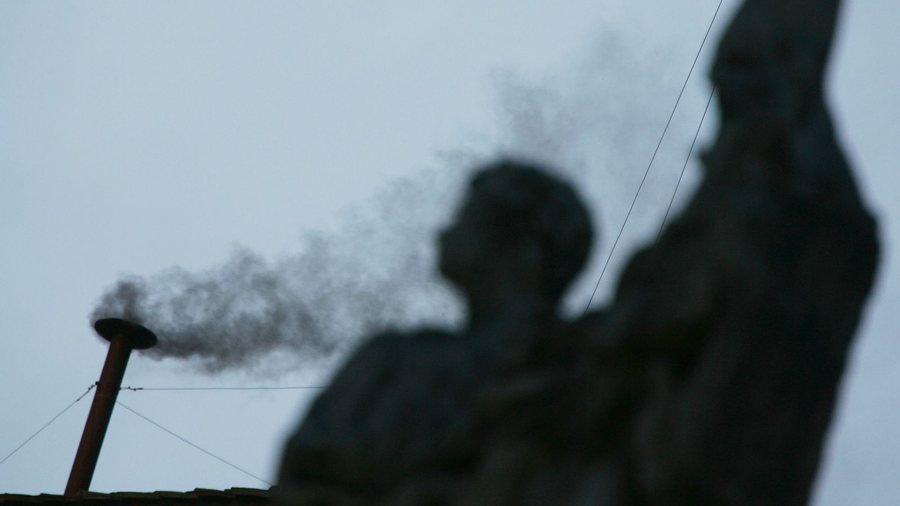
If the cardinals have not reached a majority, the cards and tally sheets are placed in a stove and burned with an additive to produce black smoke, indicating to the outside world that a pope has not yet been elected.
Watching for the telltale smoke rising from the top of the Sistine Chapel is something of a tradition, with Catholics flocking to St. Peter's Square for the spectacle.
If no result is reached within three days, the sessions are suspended for a day to allow for prayer and discussion. More voting sessions are then held until a two-thirds majority is reached.
When enough cardinals agree on a candidate for the next pope, that candidate is asked if he accepts and by what name he wishes to be known.
The ballots are then burned as before, but with an additive to produce white smoke.
New Pope announced
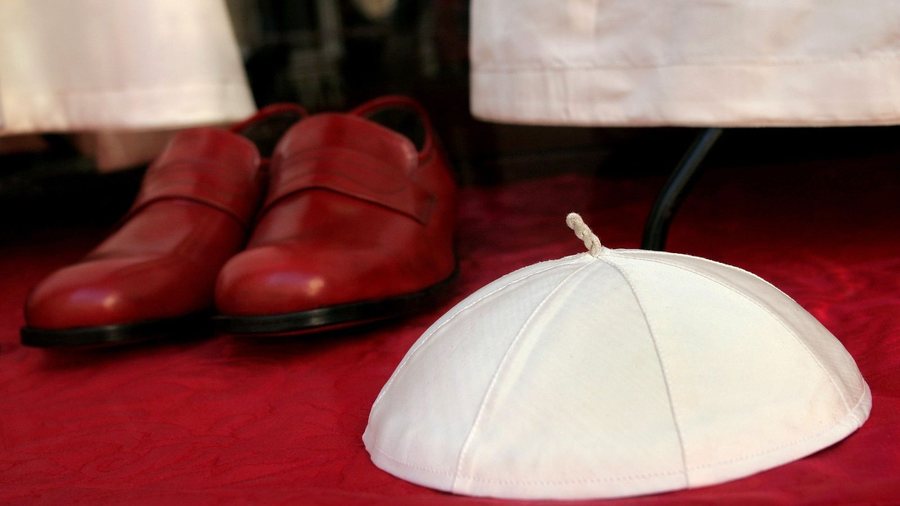
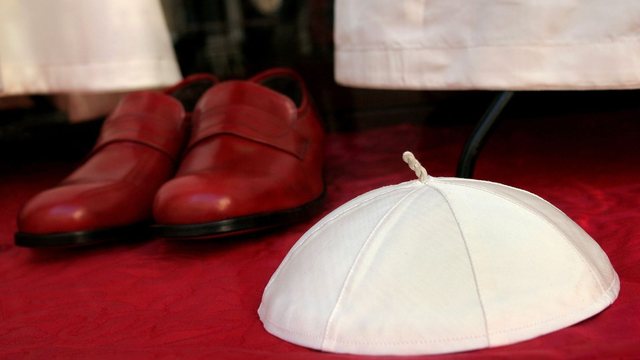
The new pope then dons his new papal robes – tailors keep large, medium and small sizes ready – and sits on a throne in the Sistine Chapel to await the other cardinals who present themselves to pay homage and swear allegiance to the new leader of the church.
Then, the cardinal deacon steps onto the central balcony of St. Peter's Basilica overlooking the square and announces in Latin: "Annuntio vobis gaudium magnum. Habemus Papam" (I announce to you great joy. We have a pope) and reveals the name of the cardinal and the name he has chosen.
The new pope then appears on the balcony to give his first public pontifical greeting and bless the crowds in St. Peter's Square.
A few days later, the new Pope celebrates a mass marking the beginning of his ministry. /Adapted from "Pamphlet" by "Sky News"


Lini një Përgjigje