


 Shkruar nga Rafael Behr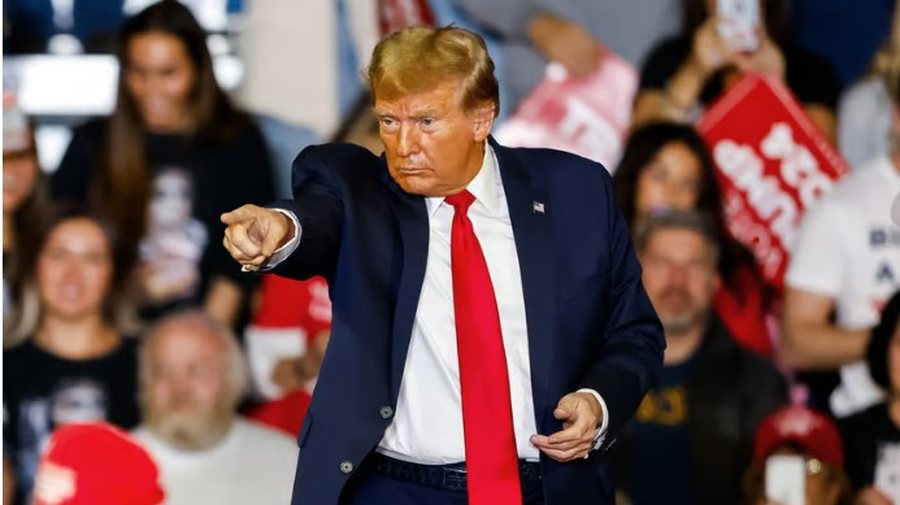
Trump does not make alliances, only transactions and threats...
Nine months is a long time to hold your breath. The identity of the next US president won't be known until November 6, but already the prospect of him being Donald Trump has America's allies stuck in strategic suspense.
In European democracies, the fear is existential. For 75 years, their security has been guaranteed by the North Atlantic Treaty, which Trump scorns as a bad deal for the US. At a rally over the weekend, the former president boasted that he had encouraged Russia to "do whatever the hell it wants" to countries he said were not paying their NATO bills.
If he returns to the White House, Trump may not actually renege on US commitments to mutual aid to countries that fear they are in Vladimir Putin's line of fire. But the former president doesn't have to mean exactly what he says, or even win the election, for his words to have an effect. Ambiguity undermines deterrence.
American distrust will permeate every discussion when NATO defense ministers gather in Brussels this week.
The argument that the Europeans use free money for America's defense budget is an old refrain. Most NATO members agree that this is also true. Only a minority have fulfilled the pledge made in 2006 to allocate 2% of GDP to defense spending. But in the past, frustration with input asymmetry has been tempered by historical loyalty and alignment of values. Even in terms of real politics of self-interest, Washington can value the preservation of European democracy, stability and prosperity as a dividend of NATO.
Trump does not make alliances, only transactions and threats. Mutual benefit is for cheaters. The test of a good deal in 'Trump's World' is that the other party feels cheated. For this reason, he despises the EU even more than NATO, because it is not a client of the USA. It has its trade weight as a continental trading bloc.
Ambition to up-arm Europe as an economic superpower is another thing Trump has in common with Putin. That is why they were both enthusiastic about Brexit.
Mosbesueshmëria e SHBA-së tashmë po ndjek fushën e betejës në Ukrainë. Ndihma jetike është mbajtur në Kongres, gjë që është pjesërisht efekt i faktit se Trump ka një gisht të madh në peshoren ushtarake përpara se ai të nominohej zyrtarisht si kandidati republikan. Duket si shpërblim për një bast të Kremlinit se financat perëndimore dhe mbështetja morale për Kievin do të mbarojnë më shpejt se predhat ruse dhe ushqimi i topave të rekrutimit.
Ekziston një fraksion i së djathtës amerikane që e admiron Putinin mbi baza ideologjike, si një plagë e liberalizmit të degjeneruar. Por kryesisht republikanët janë thjesht të kënaqur nëse lufta shkon keq për palën që Joe Biden e ka mbështetur, kështu që ata mund ta konsiderojnë presidencën e tij si një epokë dobësie të SHBA-së dhe Trump si një rikthim të fuqisë.
Cinizmi i neveritshëm i asaj loje do të helmojë marrëdhëniet ndërkombëtare të Amerikës, edhe nëse Biden fiton një mandat të dytë. Është tashmë e qartë se konsensusi i vjetër i kongresit në favor të demokracisë kushtetuese dhe shtetit të së drejtës ka ikur.
Duke parë shkrimin në mur, liderët evropianë po flasin me urgjencë të re për atë që Emmanuel Macron e quan "autonomi strategjike". Kjo dikur u hodh poshtë si një fluturim i pamundur i fantazisë galike. Tani ajo kuadron axhendën e kontinentit. Implikimet në kuptimin se nga do të vijnë paratë shtesë për buxhete më të mëdha të mbrojtjes – madje më shumë se 2% e PBB-së – dhe çfarë përfshin në fakt një aftësi e konsoliduar e mbrojtjes kontinentale, po depërtojnë ngadalë në politikën e brendshme.
Këto pyetje po vijnë edhe në Britani. Është një bisedë për të cilën Westminster është pashpresë i papërgatitur.
Afërsia e një zgjedhjeje të përgjithshme ka ngushtuar horizontet në atë që në kohën më të mirë është një kulturë miopike politike. Politika e jashtme rrallë prek. Edhe kur Brexit ishte çështja dominuese, fokusi ishte zakonisht i rrethuar - grindjet e brendshme konservatore dhe mitomania nacionaliste, kurrë një diskutim racional i asaj që do të thoshte për aleancat e MB.
Një shenjë se Rishi Sunak është i ndjeshëm ndaj përmasave të asaj që mund të ndodhë me SHBA-në në fillim të nëntorit është se ai raportohet se ka hequr dorë nga ideja për të mbajtur një fletëvotim në Mbretërinë e Bashkuar në të njëjtën kohë. Fitorja e Trump ndërsa shpërndahej parlamenti do të përkeqësonte tronditjen dhe do të komplikonte reagimin e Britanisë.
Por Sunak nuk do të tërhiqet në pyetjet më të thella që duhet të informojnë përgjigjen. David Cameron shkoi aq larg sa e përshkroi trollingun e NATO-s nga Trump gjatë fundjavës si "një qasje jo e arsyeshme". Ky është, me sa duket, edhe këndvështrimi i kryeministrit aktual.
Sunak brought his predecessor back into the cabinet so he could contract out foreign policy in an election year. His diplomatic repertoire is thin. The main achievement has been the stabilization of relations with the EU through the sincere and realistic engagement with Ursula von der Leyen, president of the European Commission. European bilateral relations have been neglected.
Sunak has yet to visit Berlin since moving to No.10, which seems like an oversight given the importance of protocol in German politics. He has been in Paris, fueling reports of a romance with Macron. But there is no substance in the partnership. The French president expected a high-level exchange of geopolitical analysis. His British counterpart wanted a quick deal to stop small boats crossing the Channel.
The obsession with maritime migration has been most fruitful as bonding material in relations with Giorgia Meloni, the Italian prime minister with a pragmatic streak that belies a far-right pedigree. It's a revealing affinity for Sunak, putting him closer to the camp of European populists who would cheer for a second Trump term than liberals who shudder at the thought.
The preference is noted in Paris and Berlin. It is in line with Sunak's plan to legislate Britain out of its refugee treaty obligations.
The security of Rwanda's bill is less of a rejection of the European convention on human rights than many conservatives would like, but it is conceived in contempt of the court that judges violations of this convention. This implies that international law must melt under the heat of a government's eagerness to expel unwanted foreigners.
The spirit is Trumpian.
In other contexts, Sunak aspires to be a friend of Europe. His support for Ukraine is unwavering. He negotiated the Windsor framework for Northern Ireland in defiance of Boris Johnson's vandalist approach to Brexit. But refraining from sabotage is the minimum requirement for functional relationships. Good neighborliness is a mood, not a political concept. It does not answer the difficult question of how Britain engages with a Europe that wants strategic autonomy.
For a generation, Britain's foreign policy had two pillars - the EU and the transatlantic alliance. London was the main bridge between Washington and Brussels. Brexit blew up one side. Trump has linked the other side to the explosion. This is a crisis of Britain's global orientation that should be central to debate in a general election campaign. But this would require political leaders who can admit that the crisis exists./ Adapted from The Guardian, Pamphlet





Lini një Përgjigje