


 Shkruar nga Skënder Minxhozi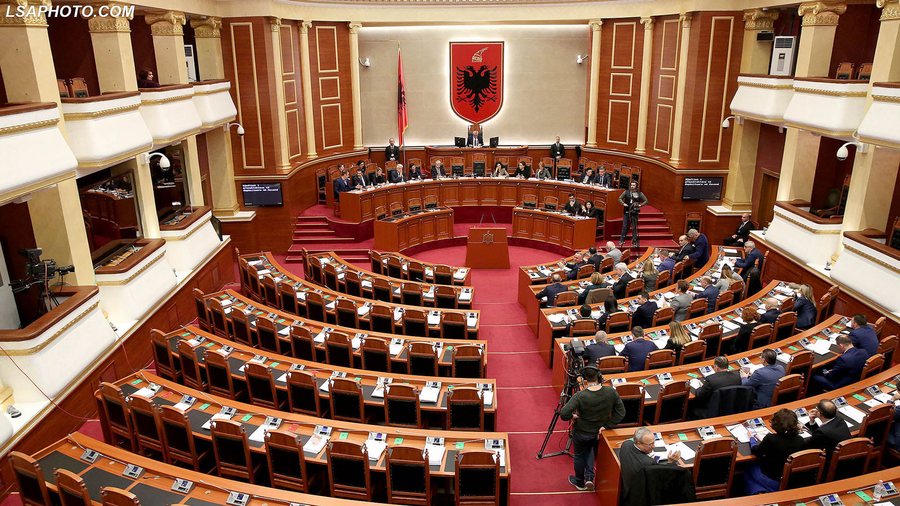
Then it happens to us like in the Assembly hall of the last decade where three quarters never speak, but only receive salaries and per diems, consuming the mandate in complete anonymity.
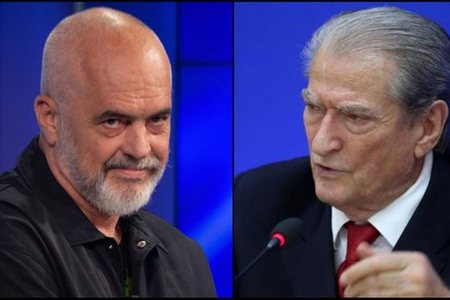
Edi Rama has once again mixed up the cards on the game table. When everyone expected the socialist senators to shine at the top of the closed lists in the districts, he has decided to make it difficult for them to hold office in an electoral campaign that in itself is considered easy for the government next year. The Prime Minister's decision to add to the safe lists the new streams of deputies, mainly from the "deputy we want" process or other new figures for the public, marks a strong move that will directly influence the next election campaign.
Several tens of deputies with more than one mandate will have to go to the field to win the next mandate, and not to receive it on paper. This logic, where the most popular, those with the most experience, public recognition and an established network of supporters, should come out and give a push from the bottom of the list of candidates, is a way that aims to remove the electoral parasitism of a part of the elite party in PS.
In opposition from the Democratic Party, where Berisha was forced to make a compromise with the safe zone of the list of candidates, including the one they once cursed, the Socialist Party has accepted to challenge itself and the opponent by leaving its names in the competition. known. Which means that he has also accepted the risk that one of the senior MPs risks being left out of parliament next year.
Beyond the possible downfalls, this way of organizing the list significantly puts the party to work during the campaign, rather than spoiling party leaders through safe lists. And this marks an advantage that Edi Rama is trying to create for his party many months before the campaign bell rings.
But like every initiative of Edi Rama, this one of the "SP of 2030" has another side of the coin. We are talking about the renewal process that he has started to carry out since the socialist party was equated point by point with his political identikit. For years in SP, direct recruitment and co-optation is preferred, rather than selection, discussion and selection of names in forums. This seems to be happening recently with the opening of the way for young people in the lists of deputies.
With this act, Edi Rama opened the possibility that in those lists, together with the new faces, random people can be filtered who may have good degrees, speak well of the SP and its government, and have a correct education, but who are not they will necessarily be good deputies and ministers in the future.
Being an MP is not the beginning of the road to a political representative. Open a page, make some applications, say some phrases that seem to have been created by artificial intelligence, and here we have produced a politician. Parliament is the final destination, not the departure station. In this way, you manage to discard the cards within the party, but it is not said that you have produced a standard.
In the era of the crisis of ideologies, it is happening that a "hated" conservative like former American vice president Dick Cheney votes against his Republican party. The Trump phenomenon has caused a seismic shock throughout the world, bringing to the surface the anti-politics, the incorrect, the unusual. Careers, the forums that produce them and everything related to procedure and compliance with a framework of rules, is already considered an excessive and bureaucratic manual. Improvisation and superficiality are displacing tradition, replacing expertise and experience with knowledge gained from an internet search while waiting for the bus. This kind of anti-culture has produced random political representatives and leaders without convictions, but only with interests.
In Albania, this phenomenon has been going unreported for years, it is enough to take a look at the "merkato" of MPs and other politicians, who have moved from one party trench to another as often as needed. There are dozens of cases where those who were insulting each other are now allies, and this is not only a defect on a personal level, but it is also evidence that these political representatives are divided or united based on interests and not on ideas and attitudes.
The crisis of ideologies, together with the blockage caused by the lack of rotation of the political elite, has produced in Albania a mass of names, where anyone can sit anywhere, in any chair that comes their way, it is enough to make a pact with the head of the chairs . The contours of the parties have been lost because the interests they share have been mixed. In this depressing climate, the random and the warm-shouldered usually advance. Neither the political and party career, nor the dedicated commitment in the administration, nor the public profile nor the oratory are needed anymore. Anyone can become a successful politician, it is enough for them to "take a look".
Then it happens to us like in the Assembly hall of the last decade where three quarters never speak, but only receive salaries and per diems, consuming the mandate in complete anonymity. We don't know their names, we don't recognize their faces, we never hear their voices, we don't know their ideas, the level of expertise they bring to the country's highest institution, nor what they think about the big topics debated by the parliament. They can be loud and quiet, but this is not always a good thing.
Likewise with some of the ministers we have seen in recent years. Technicians in deeply political positions or "parachuting" even from Kosovo, who came and disappeared, it is not known where, without leaving a trace.
Politics is a possibly long-term commitment that starts with the "gaveta", not a sudden appointment nor a surprise news that leaves you breathless when the president communicates it. At this point, the 2030 agenda for the Socialist Party may be winning the battle, but at the same time it may be gradually losing the war. It is not a crisis of only one party, the whole system is in crisis.


Lini një Përgjigje