


 Shkruar nga Jan Kallberg
Conscription also raises questions about who will serve, fairness and equity, and practical infrastructure issues such as housing, training grounds, and integration into a larger force. So, it's easier said than done. But in one form or another, it seems likely to return to much of Europe.
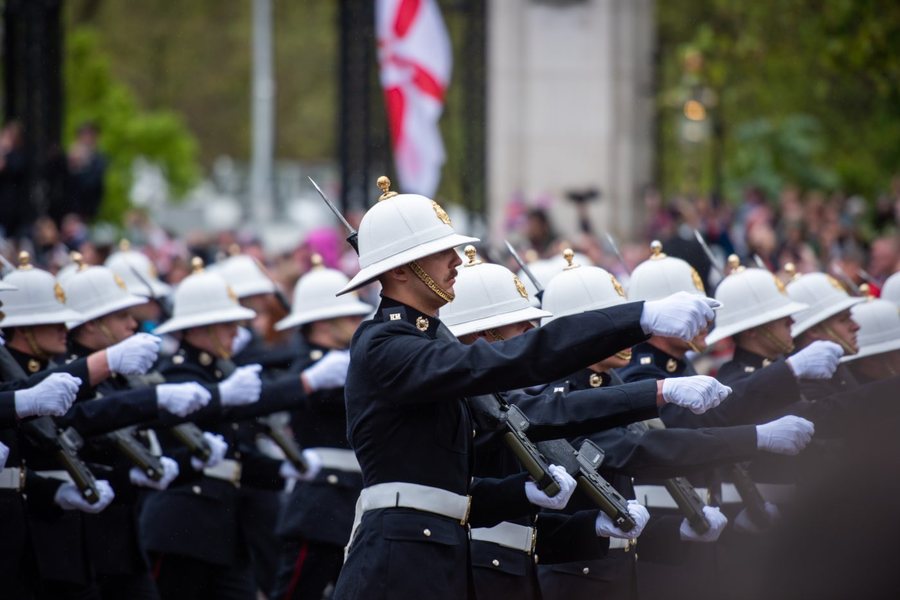
Several things have become abundantly clear in the past 29 months, since Russia's full-scale occupation of Ukraine began. First, it is clear that Russian aggression will not stop. Second, that European NATO countries have miscalculated the risks of war and conflict.
Thirdly, as they have spent very little on defense; it is very clear that western armies have very few men in their ranks. This staffing is not the only challenge, but it is very important. As the Chief of Defense Staff of Great Britain, General Patrick Saunders, said in January: "Ukraine has shown us that wars are started by professional armies; but in the end they are won by the armies of the citizens".
The British Army has failed to meet its recruitment targets almost every year since 2010. The same is happening with other European armies. Finding the men and women missing from these armies has become an urgent matter given the understanding of Russia's intentions.
While some countries are bringing back conscription (Latvia being the notable example), others like Germany are still debating the issue, and look set to move in that direction. But while German Minister of Defense Boris Pistorius has spoken about plans for volunteer recruitment (only 5,000 of the country's 400,000 young people will be selected to serve each year), this scheme also has quite a few problems.
German Chancellor Olaf Scholz says the army's needs are manageable, and the plan has not yet been tabled in parliament. And while most Germans support the idea, it comes at a considerable cost to a financially strapped government. The construction of new barracks alone would cost billions of euros.
But this issue may indeed be unavoidable, as US military engagement on the old continent may shrink. Great Britain has had a fully professional military for most of its modern history. But there is also a debate.
Earlier this year, General Saunders upset the government with a speech suggesting the creation of a "citizen army". While making it clear that this was not a call for full military conscription, he underlined that the Ukraine war had shown the need to create large reserves of trained personnel.
He suggested a voluntary mobilization when a war starts. Given the government's fury in January, it was a little strange to see the Conservatives make voluntary national service part of their platform for the June election, which they lost to Labour.
The draft proposed 1 year of national service for all 18-year-olds, although only a minority would undergo military training. The idea was met with heavy criticism, and it remains unclear whether the Conservatives will pursue it later. However, such ideas are rarely discussed in British politics and indicate that some political and security segments are concerned about the issue.
So, what can military recruitment be like from now on? There are two basic models. The first concerns the training of soldiers, and then the time they serve as members of the operational force. For example, basic training is 8 months, followed by 2 years of service in the regular military forces.
This leads to a situation where almost 1/3 of the enlisted forces prepare for a job that lasts only 2 years. Soldiers who become part of the training are not ready to participate in any mission or campaign, and will only later be assigned to a combat unit. After 2 years in the operational force, the soldier is demobilized and returns to civilian life.
The total duration of recruitment is nearly 3 years. It is unlikely that the conscript will return to military service unless he volunteers and enlists in a full-time military unit. Meanwhile, in the second model, recruits are called up and undergo 8 months of basic training, after which the soldiers are demobilized and returned to civilian life, with the obligation to return to their unit during mobilization.
Their unit is demobilized. Weapons, vehicles and their equipment are stored in warehouses scattered throughout the country, until the soldiers return for training or mobilization. The unit is activated every 12, 24 or 48 months for training for 1 month, at the end of which a test of the ability to mobilize takes place.
After the initial training, during the first decade, the soldier belongs first to the regular army and then to the territorial units until the end of the service. All the trained, previously recruited soldiers form a much larger pool of personnel than those currently serving.
Additional personnel in the mobilization group solves 3 problems. First, with additional personnel, you can mobilize faster. Second, as we have seen in Ukraine, large-scale wars are very destructive and the number of victims is high.
The large pool of soldier personnel enables the mobilized army to quickly replenish the damaged unit even after heavy fighting. Thirdly, health problems, family problems and other reasons for non-service allow soldiers to be included in this reserve unit.
Modeli i dytë i zbatuar në shumë vende, i jep mundësi ushtarit të çmobilizuar të jetojë jetën e tij civile në grupin e tyre të personelit deri në moshën 35-40 vjeç, pra 10 vitet e para në ushtrinë e rregullt, dhe më pastaj në një njësi territoriale. Le të bëjmë disa llogari. E zëmë se Britania ka nevojë për 80.000 ushtarë të rinj në ushtrinë e përhershme, të cilët duhet të jenë gati nga pikëpamja operacionale.
Sipas modelit të parë, do të ketë 40.000 ushtarë në stërvitje dhe 80.000 ushtarë të regjistruar në forcën e përhershme operative. Mbretëria e Bashkuar ka 66 milionë banorë, dhe me një rekrutim pa dallim gjinor, rreth 500.000 të rinj do të ishin gati për t'u regjistruar në draft bordin dhe testim. Për të pasur 40.000 ushtarë të trajnuar pas 8 muajsh, do të duhej të thirreshin rreth 50.000 të rinj, duke supozuar se 1 në 5 prej tyre nuk do ta përfundojë stërvitjen për shkak të problemeve shëndetësore, lëndimeve dhe arsyeve të tjera. Ky proces do të kërkonte 40-50 kazerma trajnimi me madhësinë e një batalioni, që do të ishte një investim i madh në infrastrukturë dhe ndërtesa. Sipas këtij shembulli, nga gjysmë milioni të rinj, vetëm 10 për qind do të shërbejnë në një forcë rekrutësh që do të zgjerojë ushtrinë ekzistuese profesionale britanike. Por kush do të shërbejë dhe pse? Kjo është një pyetje e ndërlikuar.
Në vende më të vogla si Izraeli, Finlanda dhe Koreja e Jugut, duhet të shërbejnë pothuajse të gjithë. Nëse, si në shembullin e Britanisë, nevojitet vetëm 1 në 10, kjo ngre pikëpyetje në lidhje me drejtësinë dhe trajtimin e barabartë të qytetarëve, dhe nëse është e drejtë në një demokraci që të zgjidhen vetëm disa.
Ndërkohë, shumica mund ta shmangë detyrimin për të shërbyer. Rekrutët duhet të motivohen për të qëndruar në shërbim. Nëse ushtarakëve të shërbimit kombëtar, u jepen të njëjtat paga si ushtarët me kohë të plotë, atëherë jeni duke zgjeruar ushtrinë profesioniste. Nga ana tjetër, nëse paga është shumë e ulët, do të ketë një rënie më të madhe, dhe me më pak ushtarë në forcën operative.
Stimuj të tjerë, mund të jenë qasja më e madhe në universitete pas shërbimit kombëtar. Në Suedinë e viteve 1980-1990, rekrutëve u jepeshin pikë bonus në provimin e pranimit në universitet ( Högskoleprovet ), pasi shërbimi kombëtar llogaritej si një përvojë profesionale.
Thirrja për shërbim kombëtar, është një thirrje për t’u mbledhur rreth një qëllimi të përbashkët. Ajo që injorohet shpesh sot, është nevoja për një ndjenjë më të madhe kohezioni kombëtar, sepse brezi i ri është sot më i shkëputur nga shteti-komb. Ata do të refuzojnë të shërbejnë, dhe ushtria nuk ka dëshirë të shpenzojë kohë dhe përpjekje për të trajnuarit e pabindur.
Conscription also raises questions about who will serve, fairness and equity, and practical issues of infrastructure such as housing, training grounds, and integration into a larger force. So, it's easier said than done. But in one form or another, it seems likely to return to much of Europe. And we have to think from now on how to do this work./Adapted Pamphlet from "Center for European Policy Analysis"
Note: Jan Kallberg, member of the Transatlantic Defense and Security program at the Center for European Policy Analysis and lecturer at George Washington University, USA.



Lini një Përgjigje