


 Shkruar nga Andi Bushati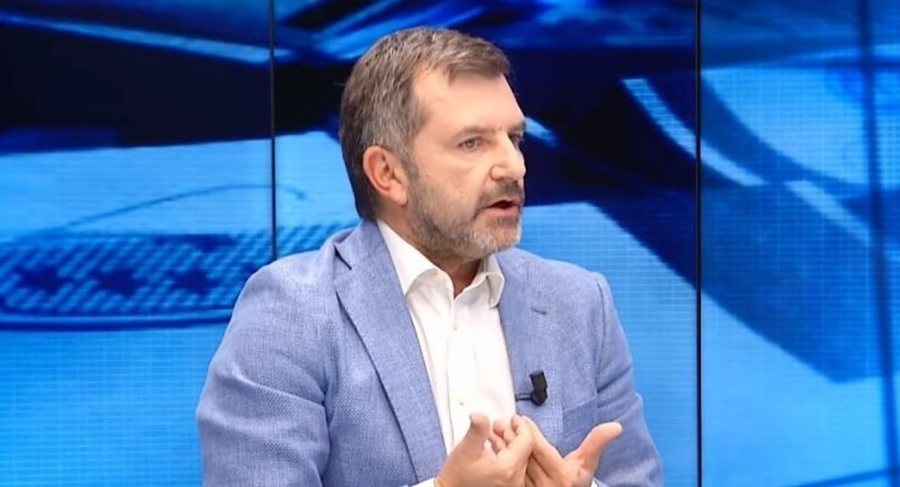
More than the Trumpist illusion of a great Albania, which shook like a fairy tale during the campaign, the challenge of the DP, if it still has power, is to work for the return of a normal Albania by transforming itself, first of all, into an anti-system party...
Shocked by defeat, stunned by Rama's dizzying result, and unprepared for what he will say to the militants, who until May 11 were lulled by the illusion that Ramism had come to an end in Tirana alongside Sorosism in the US, the Democratic Party has lost Nordin.
Its leaders are ready to take to the streets with washed-up reporters who repeat the regime's theses; the newly elected deputies have taken as their main task the discrediting of every scoundrel who repeats the well-known refrain that "the votes were not stolen, but Berisha lost"; the few media outlets controlled by the opposition spend their time attacking the flag-bearers of relativism, who preach that "there were irregularities, but that do not affect the essence of the result."
All this frustration stems from a paradox: the DP shouts that we are under a dictatorship, but still acts as if it were in a democracy. The existence of regimes takes for granted the lackeys, the drummers, the sycophants, the serviles. Denouncing and mocking them has value only in systems of freedom.
It is enough to highlight this small contradiction, that of spending energy on the most vulnerable strata of society, to understand the chaos in which the main opposition party finds itself.
All this behavior testifies to the triumph of anger instead of putting reason to work, to surrender in the face of the impossible, as a failure to develop a new approach.
But, from now on, the DP is doomed to do nothing like it has done so far. After failing to stop Rama in three consecutive challenges and with two different leaders facing him, it must change profoundly.
This transformation goes through two main sacrifices. First, by ending the delusion of considering itself a big party, but acting from now on as a small party. Second, by ending the fable of being a party of the system, to transform into an anti-system force. Let us explain…
What does it mean for a PD to be small from now on? Of course, anyone with minimal common sense would insist that, with the half a million supporters it received, especially under cruelly unequal conditions, the PD remains large. It – unlike the new oppositions – is clearly the main anti-government force in the country.
But the problem does not lie in the numbers. It lies in the real impact they have. In the power to influence through them. Hasn't the DP exhausted itself without managing to set up an investigative commission? Has it been able to achieve even a minimal objective, such as holding an interpellation with the prime minister? Has it been able to use its right to review in the Constitutional Court the violation of the mandate by a majority MP? Has it been heard, even if only occasionally, of the amendment of a single article of the budget, or of a joint resolution of the parliament? Of course not, since in autocratic systems the influence of the opposition is zero.
But, someone might say: didn't the opposition's long-term pressure play a role in Veliaj's arrest? Even for those who, unlike me, do not see this act as a move ordered from above, there is still an answer. What was the value of this arrest? Didn't the SP grow in numbers in Tirana even without Lali? Do the payments for the incinerator continue, is the politicized municipal administration used in the same way, do the same tenders and the same clients continue? Doesn't this show that Veliaj was simply a replaceable cog, whose absence could not prevent the functioning of the same criminal machinery for a single day? So even in this "great victory" the impact of the DP has been zero.
In these elections, as in recent years, its power to change anything has been negligible. The potential to influence people's lives and transform the course of society has also been the same.
It is today a castrated opposition in the face of a government that has asphyxiated everything around it, every opposition and every independent institution. The DP has been deprived of the opportunity to overthrow the government by vote. And this is the end of the illusion of what can be considered a major party, that is, as a force that can produce rotation through electoral battles. Both theoretically and practically, under Rama's regime, this probability has decreased. Therefore, from now on, the DP must change its approach and strategy by behaving like a small party. By starting from scratch. Not by addressing society with the grandiose slogan that it is enough to vote for me once and everything changes, but by behaving like the new forces that first try to make it aware of their truth.
This truth is that the country is living in an anti-democratic period.
But it cannot take root by lying in every electoral challenge that victory is near and that it is achieved through the vote. By behaving in this way, the DP, in a manner that is as idiotic as it is naive, has played the regime's facade game. So, while it claims that things are achieved through elections, it has indirectly accepted the existence of democracy.
Në këtë qasje të re nuk mund të ketë më vend për parruallat delirante se Rama ka dhe pak ditë jetë, se Shqipëria do çlirohet pas 11 majit e budallallëqe të tjera të ngjashme. Në vend të tyre ajo është e dënuar të flasë për një rrugëtim të vështirë brenda një tuneli, të cilit ende nuk i shihet fundi.
Një parti e madhe e kërkon pushtetin shpejt, një e vogël e sheh atë si procesin e aderimit të shoqërisë drejt tezave të saj. Të parat duan të rikthehen në institucionet ekzistuese të dytat synojnë paraprakisht delegjitimimin e tyre.
Kjo e fundit duhet të jetë dhe sfida reale e një PD-je që kërkon ti bëjë ristart kompjuterit të saj. Nëse është bindur vërtet se në Shqipëri është vendosur narkodiktatura ajo duhet të rishikojë qëndrimin me çdo institucion të këtij regjimi? Fjala vjen si do të jetë qasja ndaj Parlamentit të ri? A ka më kuptim që opozita të parakalojë aty me solemnitetin qesharak të katër viteve që shkuan, e bindur se në atë sallë nuk arrin dot më asgjë? Meqë bojkotin përfundimtar dhe djegien e mandateve i kanë anatemuar për një kohët të gjatë si një gafë personale të Lulzim Bashës, a nuk do të qe më mirë ti ruanin ato pesëdhjetë vende duke u paraqitur një herë në gjashtë muaj pa qenë realisht prezent në kuvend? A mos vallë është më efikas injorimi i këtij institucioni sesa mbajtja gjallë e iluzionit se ajo është një arenë pluraliste, ku palët përleshën? A i shkon më shumë për shtat idesë së mungesës se demokracisë një sallë me karriget bosh, apo ajo ku opozita lufton por në fund përdhunohet?
E njëjta gjë vlen edhe për qëndrimet ndaj drejtësisë së re dhe sidomos SPAK-ut? A mund të ketë më iluzione ndaj tyre kur faktet e pakundërshtueshme dëshmojnë se pikërisht në kohën e Dumanit, Rama u bë politikisht më i fortë se kurrë? Po, në këtë situatë të re, a kanë më kuptim thirrjet debile të deputetëve opozitarë ndaj rivaleve të tyre se “shumë shpejt do të përfundoni në dyert e SPAK-ut”? A duhet mbajtur më publiku i dyzuar në këtë ëndërr mashtruese? A ka më kuptim që opozita të vijojë me denoncime në Prokurorinë e Posaçme vetëm se kjo e fundit prangos herë pas here ndonjë politikan të lartë si keqbërës ordiner, por nuk pengon të për asnjë çast funksionimin e sistemit kriminal?
Këto dy shembuj, që mund të pasohen edhe nga shumë të tjerë kanë vlerë për të treguar se PD-ja duhet ti japë fund dilemës që me gojë denoncon diktaturën por me veprime sillet sikur jeton në një sistem lirish. Që të bëhet e besueshme në pretendimet e saj ajo duhet të tentojë të shkallmojë edhe atë fare pak fasadë demokratike që i ka mbetur këtij regjimi.
Pikërisht ky objektiv na çon tek pika e dytë. Nëse ajo duhet ti jap fund të sjellurit si parti e madhe për të vepruar si e vogël, bashkë me të, ajo duhet të hapë edhe kapitullin e shndërrimit në një forcë anti sistem. Për gati tre dekada ajo ka qenë një nga dy kolonat e ,këtij sistemi. Ai ka edhe fytyrën e saj. Një pjesë e madhe e superstrukturës, e institucioneve, oligarkëve bizneseve, mediave madje pse jo dhe bandave mbajnë vulën e saj. Për të marrë një shembull flagrant: Pavarësisht se Reforma në Drejtësi degradoi në një armë kundër opozitës, ajo as nuk mund të konceptohej as nuk mund të merrte formë pa pasur, qoftë edhe me pahir, miratimin e PD-së.
Por sot impakti i kësaj partie tek prokurorët apo gjykatësit, aksesi në financime nga oligarkët në raport me rivalët, dashamirësia e televizioneve të mëdha të fuqizuar në kohën e saj dhe mbështetja e demokratëve të fortë të Laçit apo Mamurrasit, që dikur pretendonin se mund të rrëzonin edhe qeveritë është pothuajse zero. Atëherë ç’vlerë ka poza qesharake e të hequrit si pjesë e sistemit kur të gjithë elementët e tij, përfshirë edhe banditët të kanë lënë në baltë?
Ndërgjegjësimi për këtë realitet të ri do e çlironte PD-në. Sado i dhimbshëm të duket paraprakisht, pranimi i faktit se nuk është më një parti e sistemit, do e detyronte të shkëpuste edhe lidhjet e fundit nostalgjike, skrupujt miqësorë dhe interesat e mbetura financiare me ish shërbëtorët e saj që sot kanë ndryshuar padron.
Fjala vjen pse i duhet Berishës të tregohet i kujdesshëm me disa oligarkë, që nëse dikur kanë qenë yjet e modelit të qeverisjes së tij, sot janë shndërruar në financuesit e armikut që e kërkon të zhdukur? Se ndoshta i pikon ende diçka? Po a ka vlerë kjo pikë uji në oqean përpara lumenjve që derdhen tek Rama me qëllim masakrimin e opozitës?
Një shembull tjetër: Ç’kuptim ka toleranca ndaj një televizioni si Klan që i shërbeu si makineri poropogande për sa kohe ishte si kryeministër, duke prodhuar madje dhe alibi për vrasjet e 21 janarit? A ia vlen më inercia e ruajtjes së kësaj lidhje, përballë denoncimit të besueshëm të një sistemi mediatik të ngjashëm me Rusinë putiniane?
Eshtë koha që opozita të ndërgjegjësohet që edhe nëse nuk e ka pasur si zgjedhje të saj është vetë sistemi ai që e ka nxjerrë atë jashtë. Transformimi nga një model oligarkiko- pluralist tek një tjetër, oligarkiko-autokratik kërkonte me patjetër një flijim. Dhe ky fat i qëlloi partisë numerikisht të dytë në vend.
Prandaj, sa më shpejt që PD-ja të kthjellohet se e kanë shtyrë përdhunshëm në pozitën e një partie anti sistem, aq më të lehtë do e ketë ti shkëpusë vargonjtë që e mbajnë lidhur me të shkuarën. E për rrjedhojë aq më potencial do të ketë për të qenë e besueshme në denoncimin e regjimit.
Of course, just like any body that is forced to undergo a traumatic operation, this transformation can lead to the death of the patient. But is this risk, however high, worth it for a party that continues to remind us every day that time brought it on the scene specifically to confront dictatorships? Isn't the DP betraying what little it has left of its former myth, if it didn't dare at least once?
Of course, yes, because the other path is a longer agony, but with an irreversible end. Precisely to avoid this, it must necessarily sacrifice two things: first, its sense of itself as a major party that has the rotation in hand, and second, as a force within the system. By behaving this way, it does nothing but keep alive that facade of democracy that Rama is trying to preserve with his nails.
While the DP is doomed to undermine it. Not as it has been so far, playing with the Trumpist illusion of a great Albania, which shook like a fairy tale during the campaign, but if it still has strength, working for the return of a normal Albania. And this comes by breaking every bridge with this abnormality.


Lini një Përgjigje